REVIEW · AMRITSAR
Amritsar: Golden Temple and Jallianwala Bagh Guided Tour
Book on GetYourGuide →Operated by WalkandExplore · Bookable on GetYourGuide
Two places, one powerful day in Amritsar. The Golden Temple part is where the tour really clicks, with clear explanations of Sikh history and temple architecture that make the site feel personal, not just photogenic. I especially liked how guides such as Hardik and Deepak turn big ideas into simple, human stories while you walk through the complex.
I also love the behind-the-scenes look at langar, Amritsar’s community kitchen. You see how the system works during live operations, and you learn what you’re witnessing before you sit and watch the whole place run on shared service. One watch-out: the schedule packs in several stops, so if you want maximum quiet time inside the temple itself, you may wish there was a bit more breathing room.
In This Review
- Key highlights that make this tour worth your time
- Meeting Point Near the White Flame Statue and How the Tour Flows
- Golden Temple Entrance Rules: Shoulders, Knees, and What Not to Carry
- Sri Harimandir Sahib and Akal Takht: Why the Architecture Feels Like a Message
- Sikh Central Museum, Bunga Ramgarhia, and the Reference Library
- Amrit Sarovar Rituals: Dukh Banjan Beri and the Holy Dip
- Gurbani, Music, and the Real Soundtrack of the Complex
- Backstage Langar: How the Free Kitchen Runs During Live Operations
- Jallianwala Bagh: A 1919 Memorial Garden with Context
- Price and Value: What $18 Includes, and What You Still Need
- Who This Tour Fits Best (and Who Might Want a Different Pace)
- The Most Praised Parts: Guides and Meaning-Making
- Should You Book This Tour?
- FAQ
- Where does the tour start?
- Where does the tour end?
- What does the tour cost?
- What’s included in the tour?
- What isn’t included?
- Which sites will I visit during the experience?
- Is langar included, and do I see it up close?
- Are there clothing rules for entering the Golden Temple complex?
- What languages do guides offer?
- Are there restrictions on what I can bring?
- Is there a way to pay later and cancel?
Key highlights that make this tour worth your time
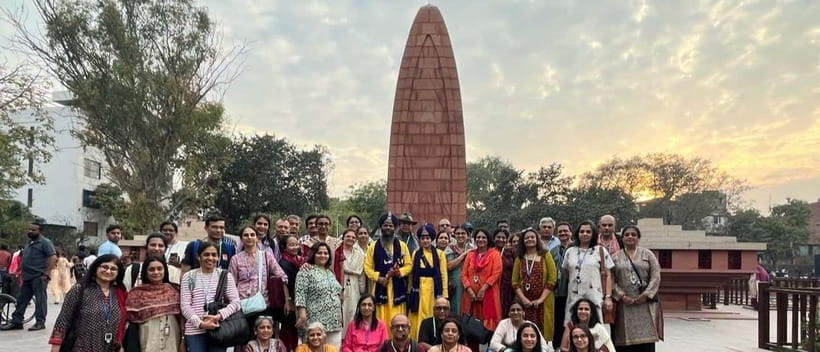
- Backstage langar operations: see how free meals are prepared and served during live work
- Akal Takht and major gurudwara stops: learn the meaning behind what you’re seeing
- Sikh Central Museum + Sikh Reference Library: context first, then reverence makes more sense
- Amrit Sarovar rituals explained: Dukh Banjan Beri and the holy dip are framed with meaning
- Jallianwala Bagh memorial context: the 1919 massacre is explained with care, not just facts
- Guides who work in your language: storytelling in English, Hindi, and Punjabi (examples include Hardik, Deepak, and Prarit Singhania)
Meeting Point Near the White Flame Statue and How the Tour Flows
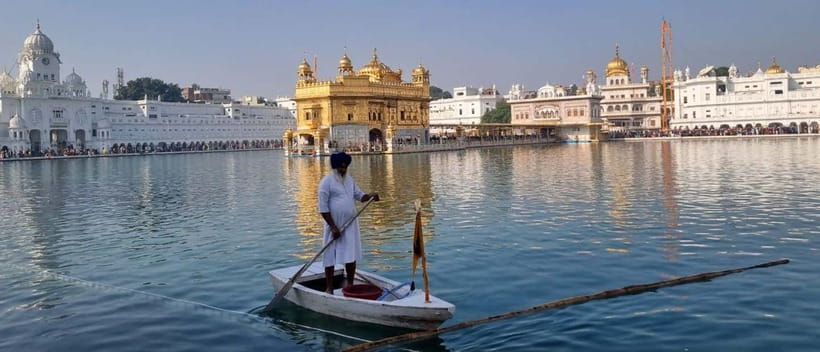
This guided tour starts outside the entrance gate of Jallianwala Bagh, near the white flame statue. It’s a useful anchor point because you can orient fast, then settle into the story-focused walking day. The activity also ends back at the same meeting point, so you’re not left hunting down a random drop-off.
The flow matters here. You first build understanding of Sikh faith and local life through stops around the Golden Temple complex, then you shift gears to the sobering memorial garden at Jallianwala Bagh. That order helps your brain hold two different kinds of weight on the same day: spirituality and survival, devotion and history.
You can also read our reviews of more guided tours in Amritsar
Golden Temple Entrance Rules: Shoulders, Knees, and What Not to Carry
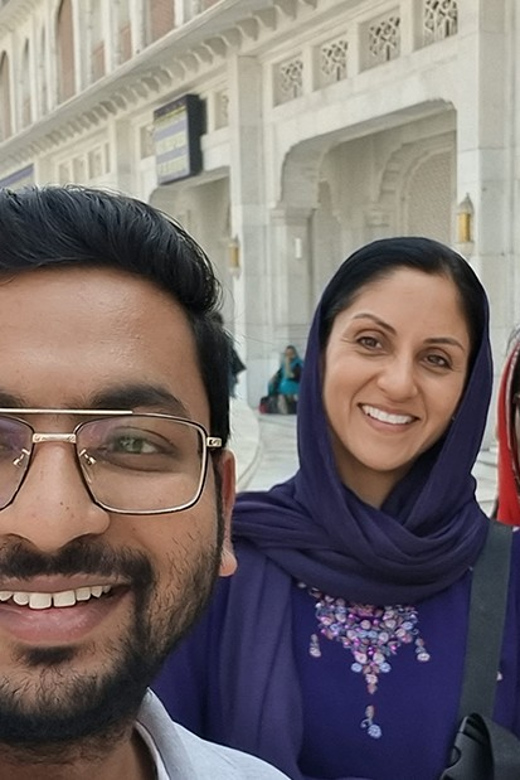
Before you even step fully into the Golden Temple complex, you’ll want to be ready for the on-site rules. You need clothes covering knees and shoulders. It’s the kind of practical requirement that keeps the atmosphere respectful for everyone.
The tour also flags what not to bring: no tobacco, alcohol, cigarettes, e-cigarettes, or other unethical items. That’s not just a checklist. It shapes the experience. When you know you’re walking into a space that is guarded against distractions, the chants, the lamplight, and the quiet energy land better.
Sri Harimandir Sahib and Akal Takht: Why the Architecture Feels Like a Message
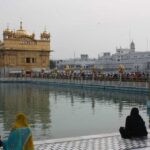
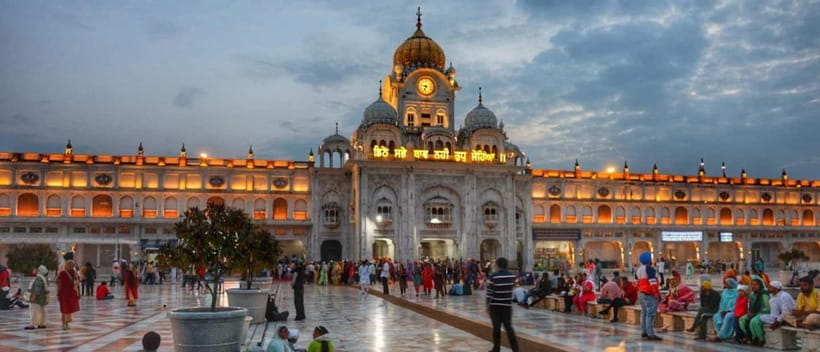
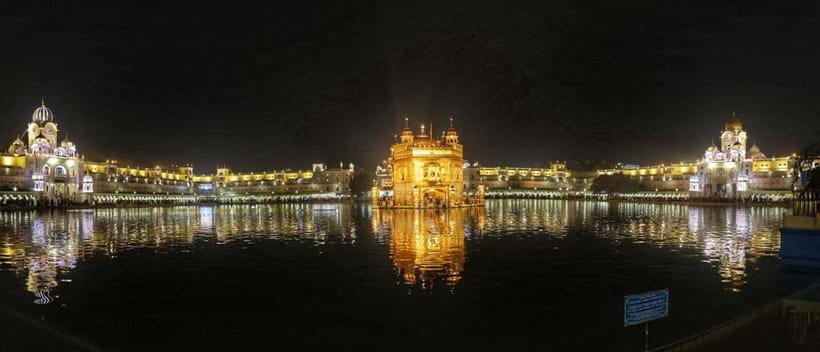
The Golden Temple is often described as beautiful, and yes, it is. But the value of this tour is that it doesn’t stop at looks. You get a guided walkthrough that explains the history and philosophy of Sikhism and ties it back to the architecture around you.
A key stop is the Akal Takht. The point of visiting isn’t to treat it like a random landmark. You learn why this place matters within Sikh tradition and how the temple complex works as a living center of faith, not just a building to admire from the outside.
You also visit Baba Deep Singh Gurudwara. This stop helps you understand how different figures and traditions connect to the way Sikhs worship and remember. When you know the story behind a stop, it stops feeling like a photo spot and starts feeling like a chapter.
Sikh Central Museum, Bunga Ramgarhia, and the Reference Library
A common problem with tours around major religious sites is that you go from one stop to the next with no grounding. This one avoids that by inserting cultural context through the Sikh Central Museum and the Sikh Reference Library, plus Bunga Ramgarhia.
The museum is where you can slow down mentally. Instead of guessing what symbols mean, you get explanations so the complex becomes easier to read. The reference library stop adds another layer—more about learning and preservation—so you understand that this is also a place of study, not only prayer.
If you care about how faith turns into daily practice, this part is a real win. Guides like Hardik are known for making the material clear and engaging, and it shows here: you can connect the dots instead of just collecting impressions.
Amrit Sarovar Rituals: Dukh Banjan Beri and the Holy Dip
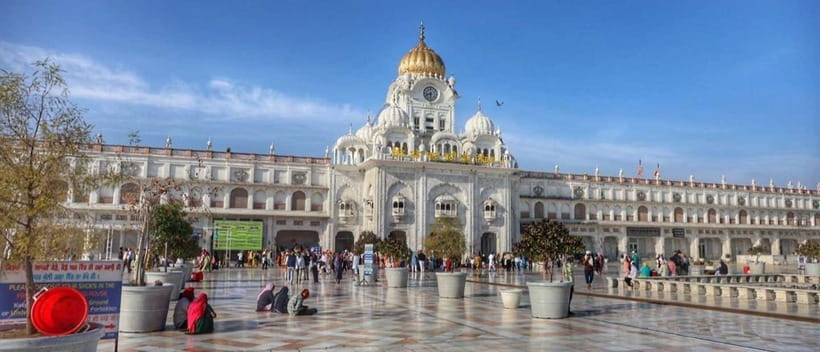
The tour includes the holy dip in Amrit Sarovar, along with an explanation of Dukh Banjan Beri. These are not just “things to do.” They’re ritual actions with meaning, and the guide’s job is to help you understand what they represent.
Even if you’re not participating in every ritual, the explanation changes how you watch others. You’re no longer seeing movements at random. You’re seeing practice tied to belief, and you understand why the area feels calm and focused.
One practical note: because this is an active spiritual space, you’ll want to follow the guide’s instructions and local etiquette closely. That’s what keeps the experience smooth for you and comfortable for others.




Gurbani, Music, and the Real Soundtrack of the Complex
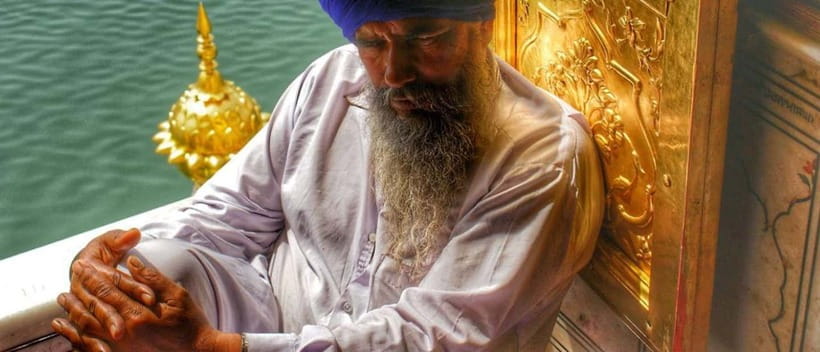
A big part of the Golden Temple experience is what you hear. The tour highlights Gurbani and music around the temple complex. It’s the kind of atmosphere that’s hard to manufacture on your own, because you need a bit of context to appreciate it.
When you pair sound with explanation, the chants and melodies stop being background noise. They become a signal for what’s happening spiritually around you.
Backstage Langar: How the Free Kitchen Runs During Live Operations
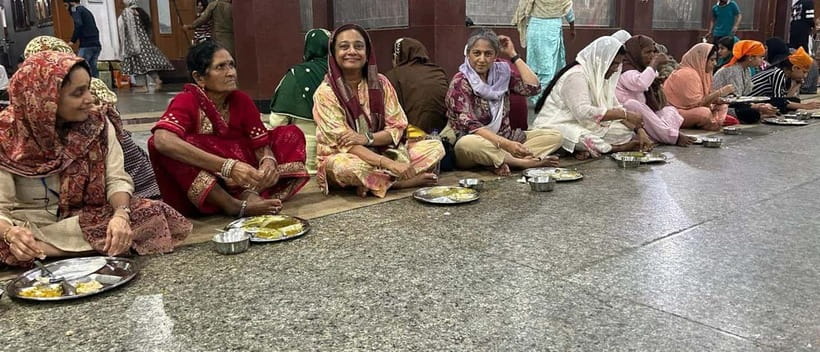
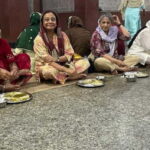
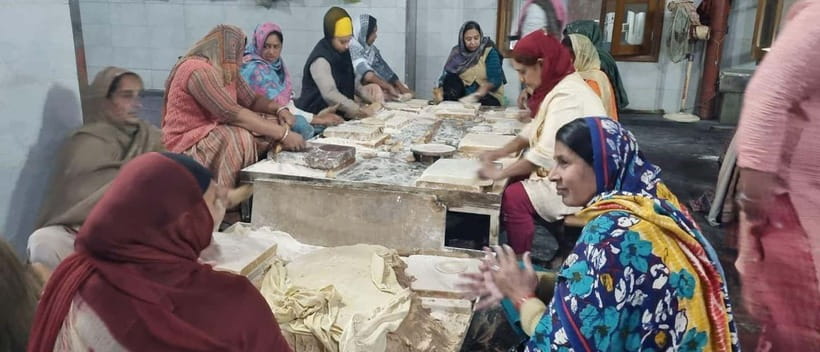
The most practical and memorable segment for many people is the langar visit. This is described as the world’s largest community kitchen, serving a huge range—50,000 to 150,000 people daily. That number is big enough to sound abstract, but the tour helps it click because you don’t just get a seat view.
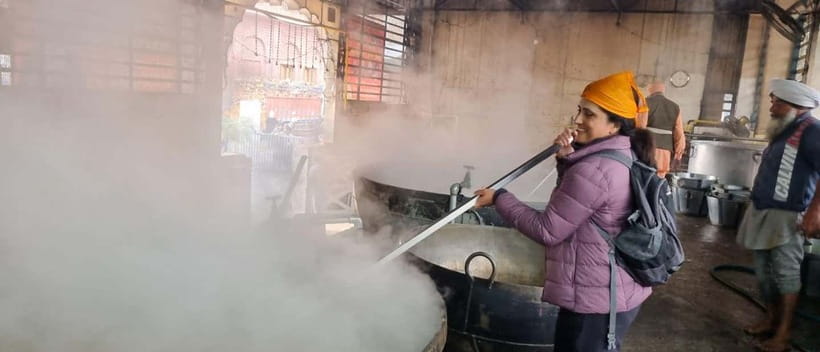
You get access to the operations area, with exclusive backstage access during live work. You’ll see how the system runs and learn what goes into serving such scale. For me, this is where the tour feels most grounded: Sikh values aren’t only explained. They’re observed in action.
Langar can also be emotionally moving because everyone eats together, regardless of background. With the guide framing it, it turns into more than a nice thing to watch. It becomes a lesson in service.
Jallianwala Bagh: A 1919 Memorial Garden with Context
After the spiritual side, you move to Jallianwala Bagh, a solemn memorial garden tied to the tragic 1919 massacre. This stop is heavy. The guide’s role here matters a lot, because history sites can turn into either cold dates or vague sadness.
In this tour, the 1919 tragedy is explained with context so it connects to why the event sits in India’s freedom struggle. You also get the chance to reflect in the setting itself—a garden space built for remembrance rather than sightseeing.
If your goal is to understand more than a headline, this is the part that helps. It doesn’t just point at the past. It gives you a clearer chain of events so the memorial feels understandable, not random.
Price and Value: What $18 Includes, and What You Still Need
At $18 per person, this tour is priced like a bargain when you compare what’s covered. You get storytelling by a local guide in Hindi, English, and Punjabi, plus interesting stories, local life experience, and visits to multiple sites: Golden Temple complex highlights, museum and library stops, the langar experience with backstage access, and Jallianwala Bagh.
What’s not included is just as important for planning: transportation and food are not included. You’ll want to account for that in your day, especially since langar is part of the tour experience but meal details aren’t explicitly listed as included for everyone. Don’t assume you can skip snacks or local transport.
Still, for $18, the value is in the guided context. Without a guide, the sites can feel impressive but disconnected. With one, you’re guided through meaning, not just movement.
Who This Tour Fits Best (and Who Might Want a Different Pace)
This tour fits you if you want two things at once: spiritual context at the Golden Temple and historical clarity at Jallianwala Bagh. It also fits if you like learning through stories rather than reading plaques.
It may not fit you as well if you’re the type who wants maximum unhurried time in the temple itself. The itinerary balances prayer, museum/library stops, rituals, and langar operations access. That’s great for coverage, but it can feel like a lot if you’re craving long quiet sitting time.
Also, you should be comfortable following religious-site expectations around clothing and what you carry. If you’re not, you’ll spend energy worrying instead of experiencing.
The Most Praised Parts: Guides and Meaning-Making
The strongest repeat theme here is the guide experience. Names like Hardik, Deepak, and Prarit Singhania show up with credit for clear explanations and a friendly, careful tone.
What I like about this kind of guiding is the style: answering questions in plain terms, connecting architecture and history to faith, and keeping the mood respectful. That matters most at Golden Temple and Jallianwala Bagh, because both places deserve more than a surface walkthrough.
Should You Book This Tour?
Yes, I’d book it if you want a guided day that actually explains what you’re seeing. The best reason is simple: you don’t just tour famous spots—you get meaning, including langar backstage operations and a solid approach to the 1919 memorial context.
I’d hesitate only if you’re mainly there for long solo temple time, or if you don’t want to follow modest dress rules and item restrictions. If that’s you, consider a slower, more flexible plan. But for most first-timers, this $18 package is a smart way to see Amritsar with both heart and context.
FAQ
Where does the tour start?
It starts outside the entrance gate of Jallianwala Bagh near the white flame statue.
Where does the tour end?
The activity ends back at the same meeting point.
What does the tour cost?
The price is listed as $18 per person.
What’s included in the tour?
It includes storytelling by a local guide in Hindi, English, and Punjabi (according to your convenience), interesting stories, local life experience, and visits to the listed sites.
What isn’t included?
Transportation and food are not included, along with personal expenses.
Which sites will I visit during the experience?
You’ll visit the Golden Temple complex highlights (including Akal Takht and Baba Deep Singh Gurudwara), the Sikh Central Museum, Bunga Ramgarhia, the Sikh Reference Library, Dukh Banjan Beri and the holy dip in Amrit Sarovar, and langar. You’ll also visit Jallianwala Bagh.
Is langar included, and do I see it up close?
Yes. The tour includes a langar visit and highlights live operations with exclusive access to the backstage area of the community kitchen.
Are there clothing rules for entering the Golden Temple complex?
Yes. You need clothes covering knees and shoulders.
What languages do guides offer?
The tour offers storytelling in English, Hindi, and Punjabi.
Are there restrictions on what I can bring?
Yes. The tour note says not to carry tobacco, alcohol, cigarettes, e-cigarettes, and other unethical items.
Is there a way to pay later and cancel?
The experience offers Reserve & Pay Later (book now and pay nothing today). Cancellation is listed as free up to 24 hours in advance for a full refund.