REVIEW · AMRITSAR
Amritsar: Small Group Sightseeing Tour with Wagah Border
Book on GetYourGuide →Operated by Taxi Bazaar · Bookable on GetYourGuide
Amritsar feels intense, then surprisingly welcoming. This day tour mixes Golden Temple spirituality with the practical wonder of the Langar kitchen, led by fluent locals like Sultan or Ajit Singh. You’re not just ticking sights; you’re getting the meaning behind them, with time to pray, ask questions, and watch community service at work.
Be ready for a full day. The route includes some walking and plenty of standing around for entry and viewing; and on certain days, the Partition Museum can be closed, so your guide may shift what you do with that time. The upside: it’s a small group (up to 6) with hotel pickup and drop-off, which keeps the day from feeling chaotic.
In This Review
- Key things I’d circle on your map
- Amritsar in a 9-hour loop: how the day holds together
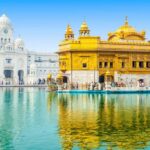
- Golden Temple: prayer time plus the Langar that runs on people power
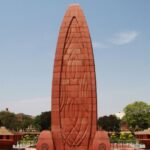
- Jallianwala Bagh: a guided walk through a turning point in history
- Partition Museum: photos, video, and paintings that don’t let you look away
- Amritsar city time: break, snacks, and a local rhythm
- Wagah Border ceremony: flags, handshake, and doing it without getting stuck
- Walking, waiting, and what to bring for a smooth day
- Value check: why this $40 package can work (and when it won’t)
- Who this tour suits best
- Should you book this Amritsar + Wagah border tour?
- FAQ
- What is the duration of this Amritsar tour?
- Does the price include hotel pickup and drop-off?
- How large is the group?
- What’s included in the $40 per person price?
- What ID do I need to bring for the border ceremony?
- What languages will the tour guide speak?
Key things I’d circle on your map
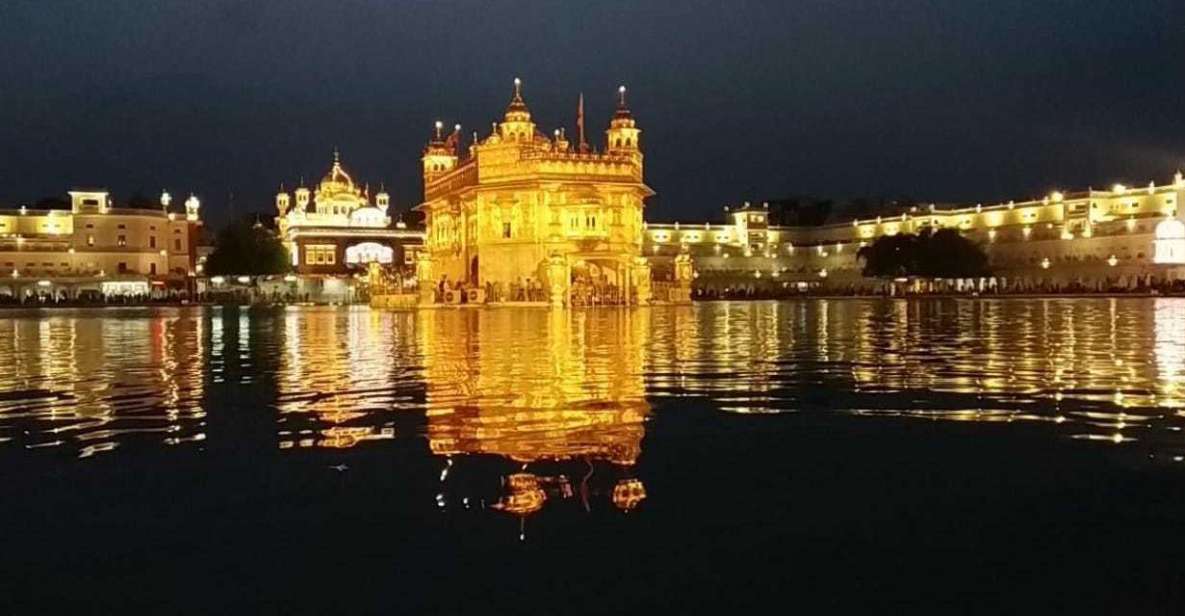
- Golden Temple with guided time so you understand what you’re seeing, not just where to stand
- Langar kitchen service where the community meals happen at scale
- Jallianwala Bagh interpretation to connect the site to the events that changed India
- Partition Museum exhibits using photos, videos, and period paintings to explain 1947
- Wagah Border ceremony with flag lowering and a formal handshake between sides
Amritsar in a 9-hour loop: how the day holds together
This is a long day, but it’s built like a story with stops that escalate in emotion. You start with the calm, living center of Sikh faith at the Golden Temple, then shift into modern history’s hardest chapters, and end with the highly choreographed Wagah Border ceremony in the evening.
The value for me is the pacing: you get real guided time at the big cultural anchors instead of being rushed from photo spot to photo spot. And because it’s a private group capped at 6 people, you’re more likely to get answers to the questions that pop up as you go—especially around faith and history.
Price-wise, it’s positioned as a budget-friendly full-day package: about $40 per person with hotel pickup/drop-off, parking, entry fees, and a live guide. When the day includes transportation across town and to the border, that’s where your money quietly goes.
You can also read our reviews of more tours and experiences in Amritsar.
Golden Temple: prayer time plus the Langar that runs on people power
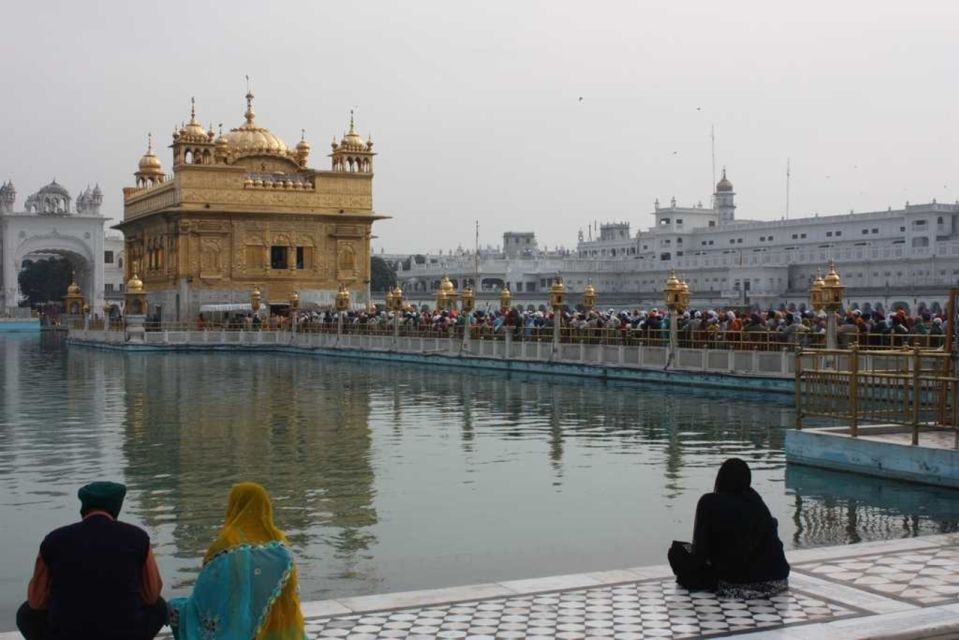
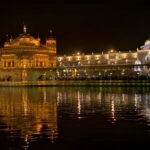
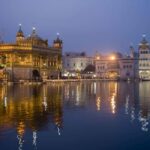
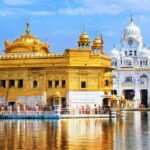
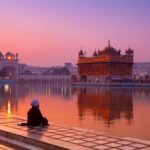
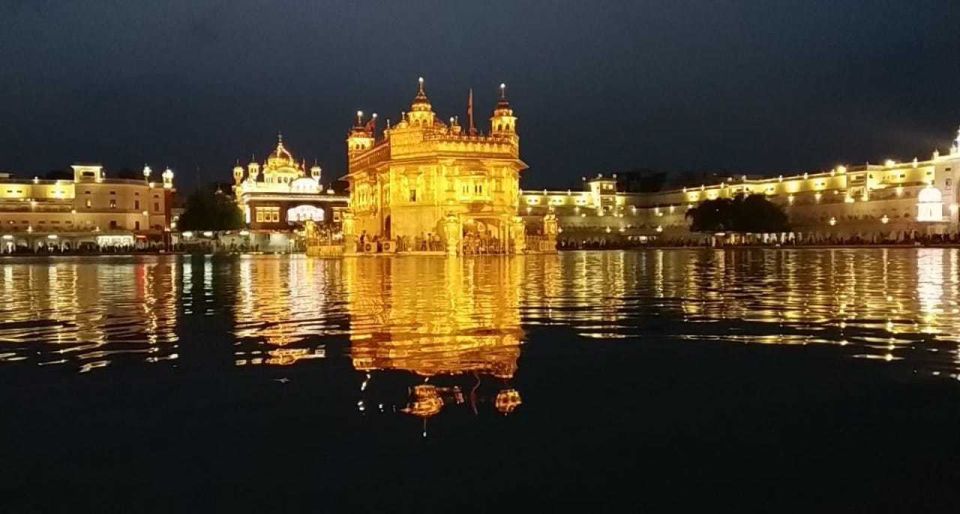
The Golden Temple isn’t just pretty. You’ll be guided through what makes it sacred, including the principles of Sikhism, and you’ll have time to offer prayers yourself. The shrine’s setting by the sacred waters has a shimmering quality, but the deeper impact comes from understanding why the place matters to Sikhs.
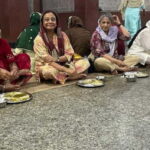
The standout is the Langar Hall experience. You’ll see how meals are prepared for the thousands who arrive daily, and you’ll get a front-row view of community service as a system—not as a vague idea. In reviews tied to this tour, people mention being able to explore kitchen areas and even getting a chance to help with food preparation. Even if you don’t volunteer, you still come away with the mechanics: how raw food turns into served meals at scale.
Practical thought: allow time for lines if you want to see the holy book inside. One account notes waiting can run 1–3 hours depending on the crowd, and they chose to skip that portion due to time. If seeing it closely is your priority, manage expectations and go early within your Golden Temple window.
Jallianwala Bagh: a guided walk through a turning point in history
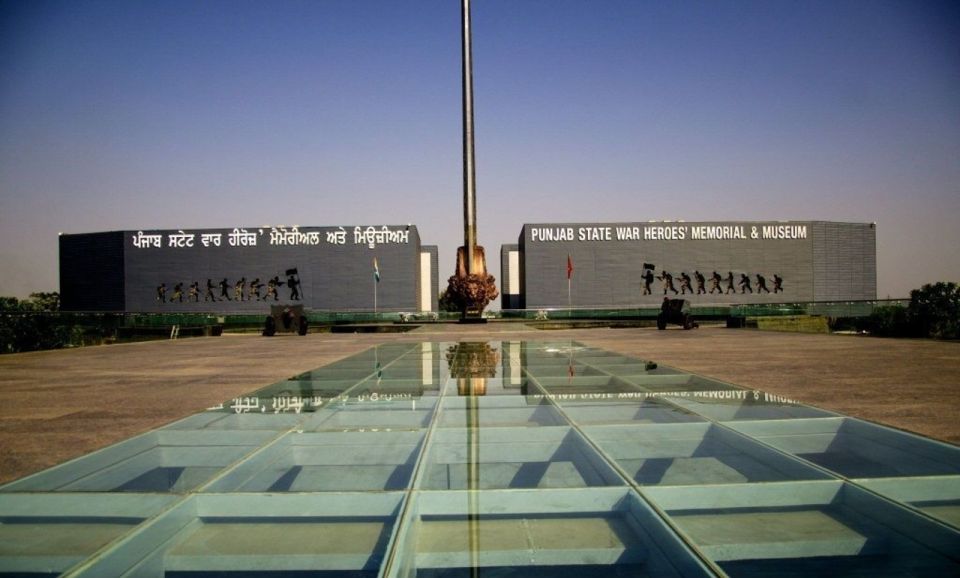
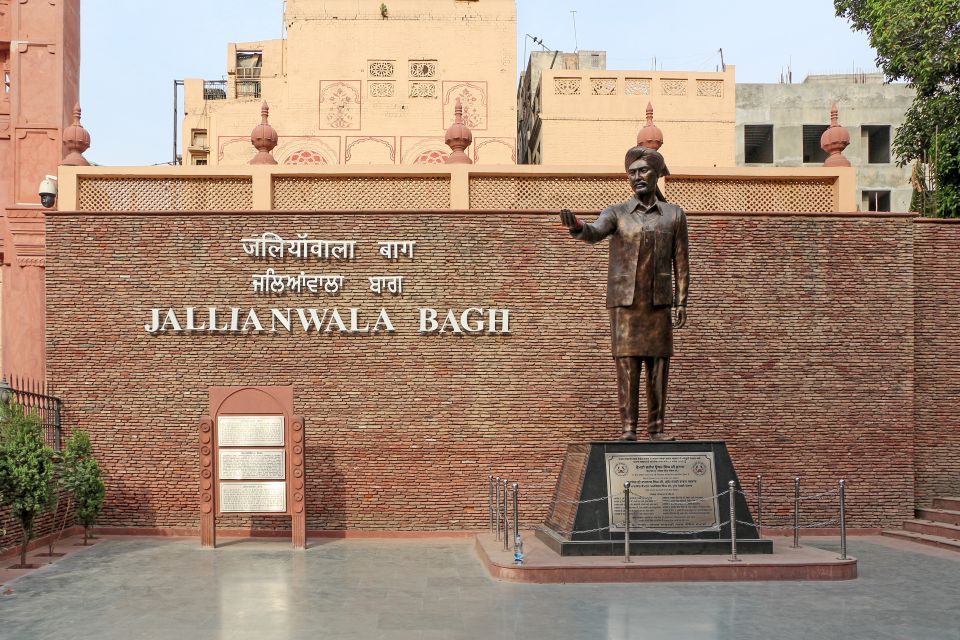
After the morning’s spiritual center, the tour heads to Jallianwala Bagh, the site associated with the massacre that changed Indian history. This part is guided for about an hour, which is exactly the length you need to understand the basics without turning it into a lecture you can’t absorb.
What makes this stop work in a group tour is that the guide ties the site to what happened under British Indian Army troops. You’re looking at the ground and memorial space, but you’re also learning the cause-and-effect: why this event is remembered, and how it shaped later thinking and politics.
This is also where I’d expect your questions to multiply. The better guides on this route are the ones who stay calm, explain clearly in English (and sometimes Hindi/Punjabi), and keep checking that the group is following along.
Emotional realism: this is heavy subject matter. The upside of having a guide here is you’re less likely to miss what the site is trying to communicate.
Partition Museum: photos, video, and paintings that don’t let you look away
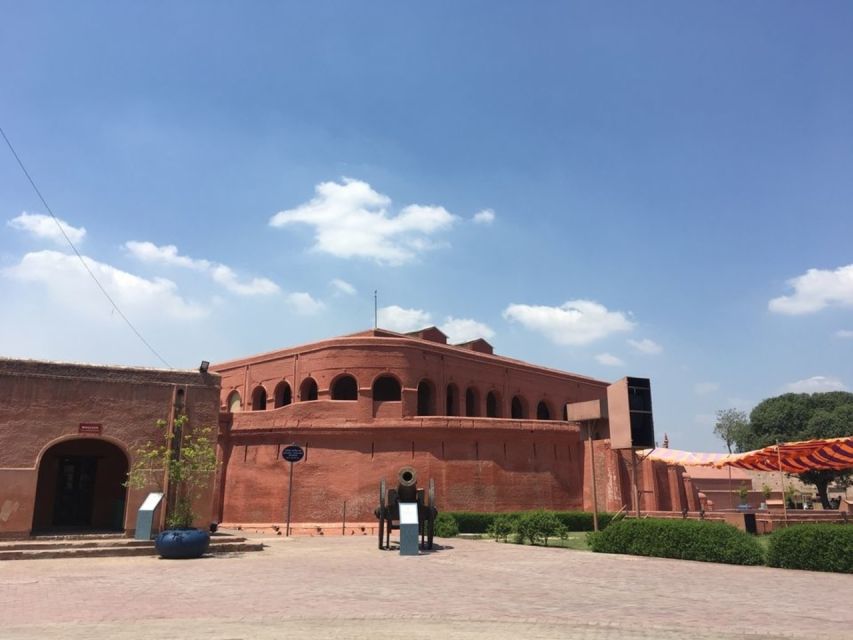
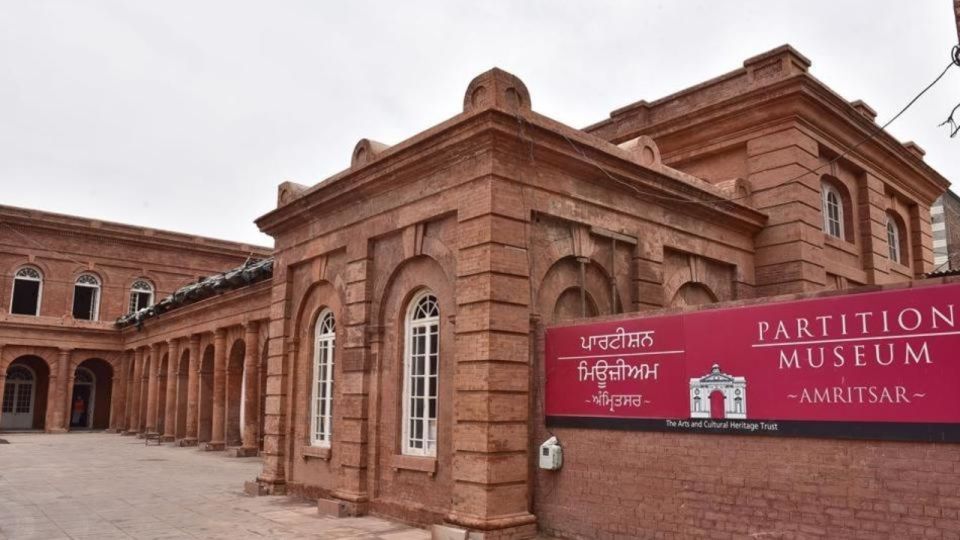
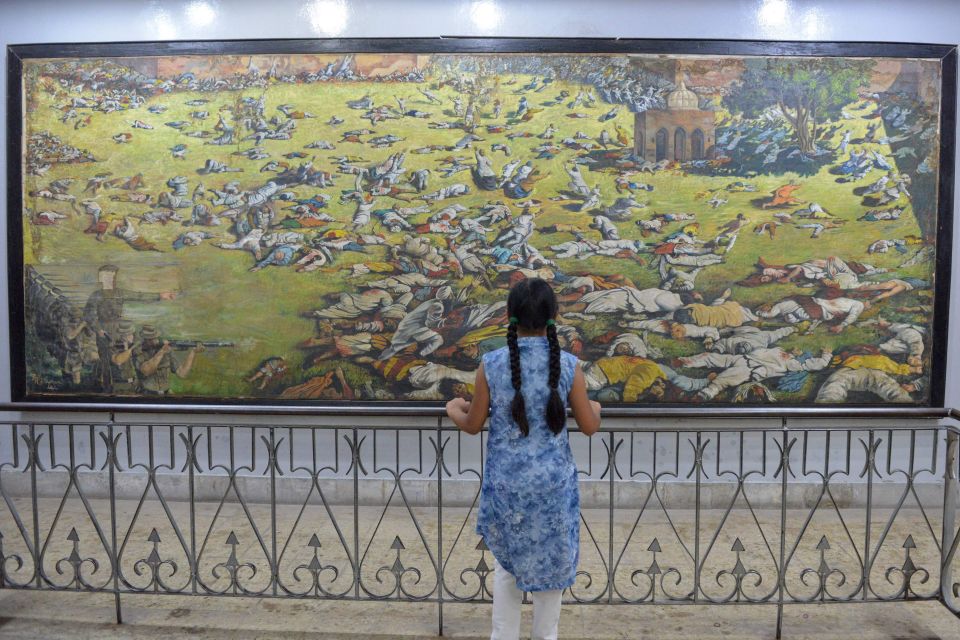
Next comes the Partition Museum, dedicated to the division of India and Pakistan in 1947. You’ll spend about an hour with its exhibitions, which use video and photographic displays, plus expressive paintings that depict the harrowing period.
This museum is valuable because it doesn’t rely on one format. If you’re a person who needs context before emotion hits, the visuals help you connect names, locations, and timelines. If you process better through story, the room’s sequencing gives you a guided path through the worst outcomes of partition.
One important consideration: the museum may be closed on certain days. In one real-world experience tied to this tour, it was closed because the visit fell on a Monday, and the guide compensated by explaining what was missed in detail. So if this is a must-see for you, you’ll want a guide who can flex and keep the learning going even when a building isn’t cooperating.
Amritsar city time: break, snacks, and a local rhythm
After the heavy historical stops, the day gives you some space. There’s a break period, plus additional sightseeing time around Amritsar.
This is where you’ll usually feel the difference between a generic bus tour and a thoughtful local day out. Guides often steer you toward practical local food ideas and simple street-level moments that make the city feel lived in. In reviews connected to this tour, people mention snack and lunch stops like Yellow Chili, and even fish meals after the main sights.
Just keep in mind: lunch and snacks aren’t listed as included, so you’ll likely spend your own money here. The upside is choice. If you’re craving something specific—vegetarian Punjabi food, for example—this part of the schedule is when you can align your day with your tastes.

Wagah Border ceremony: flags, handshake, and doing it without getting stuck
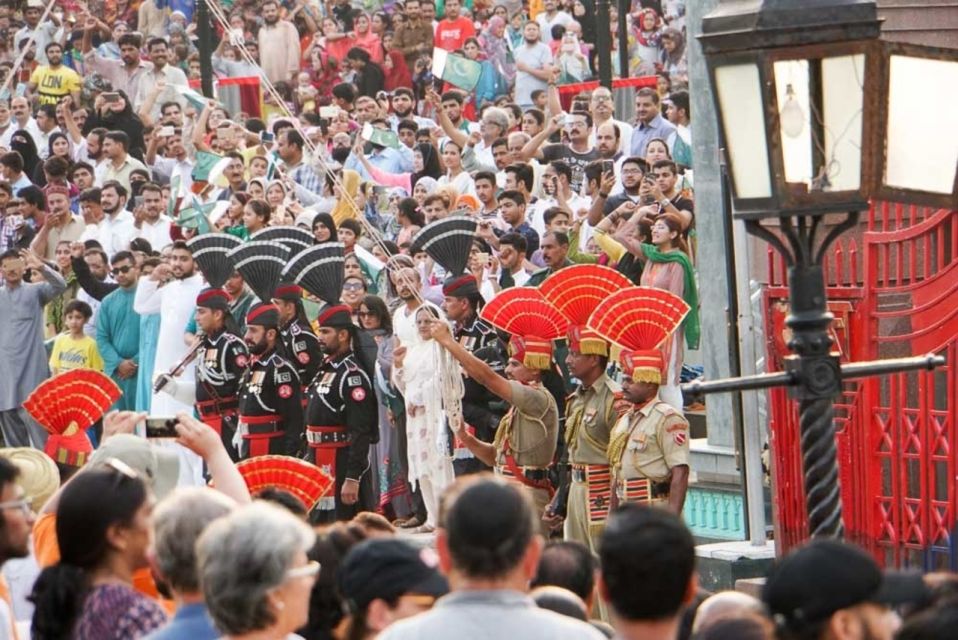
In the evening, the tour heads to Wagah Border for the daily ceremony. You’ll also visit the Grand Trunk Road connection area, described here as the link between India and Pakistan (noted as the only link in 1999).
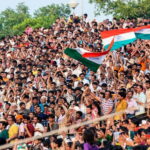
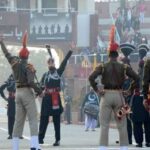
The ceremony itself is a show with real ceremony rules: soldiers from both sides perform synchronized routines, the flags are lowered, and there’s a handshake between the two sides. It’s theatrical, but it’s also structured and official—think choreography under pressure, with security and crowds controlling the flow.
This part is where timing matters. One review notes you should get to the grounds about an hour earlier to find your place comfortably. Another warning: it gets packed, and people queue tightly, so you’ll want to follow directions from staff and your guide rather than trying to out-guess the lines.
Also, bring the required ID: the tour info calls for a passport or ID card. Border ceremonies are not the moment to discover your documents are missing.
Walking, waiting, and what to bring for a smooth day
This tour includes some walking, and it’s not suitable for people with mobility impairments. For everyone else, the main challenge is that you’ll switch between sheltered sites and outdoor crowd areas, then back into museums and temple complexes.
Here’s what to plan for, realistically:
- Queue time at the Golden Temple if you try to access the inner area closely
- Security and crowd flow at Wagah Border, where you’ll stand in lines and sit in stadium-style viewing
- A long day that starts with morning pickup and ends back at your hotel later in the evening
What to bring is simple and explicitly stated: a passport or ID card. I’d also suggest dressing for comfort because you’ll be on your feet for parts of the day.
One small caution from a review: a passenger noted the vehicle may not have rear seatbelts. If that’s important to you, ask your provider before you go so you can plan accordingly.
Value check: why this $40 package can work (and when it won’t)
At around $40 per person for a 9-hour guided day, the deal is mostly about bundling. You’re getting:
- Hotel pickup and drop-off from any hotel in Amritsar
- A live guide in English, Hindi, and Punjabi
- Parking charges and entry fees
The big value is not the attractions themselves—it’s the logistics and context. Getting to Wagah Border efficiently and knowing what to pay attention to at Golden Temple, Jallianwala Bagh, and Partition Museum is what turns scattered sightseeing into a coherent day.
When it might not feel worth it:
- If you hate walking and standing around (even moderate amounts can feel like a lot on a full day)
- If you only want the “top photos” and don’t care about the Sikh principles and Partition context the guide brings
- If you’re hoping for a strict museum schedule without any chance of closure (the Partition Museum can be closed on some days)
Who this tour suits best
This is ideal if you want a first-timer’s Amritsar day that connects faith, community life, and modern history without leaving you to figure everything out alone. It also suits families and small groups because it’s capped at 6 people and runs like a private outing rather than a large crowd stampede.
It’s also a good match if you enjoy guides who explain with calm clarity. Names that came up in real experiences on this route include Harpreet, Karen, Sultan, Ajit Singh, Sharna, Deepak, Sahil, and Lovepreet—each praised for making the day understandable, not just scenic.
Skip it if you want a slow, flexible hangout where you can spend as long as you want at just one location. This day is structured, and while guides can adjust pacing, the overall sequence is designed to cover multiple major sites.
Should you book this Amritsar + Wagah border tour?
If you’re visiting Amritsar for the first time and you want the full emotional range—spiritual center, community service, difficult history, and the evening ceremony—this is a strong choice. The guided time at the Golden Temple and the Langar kitchen experience are the heart of the day, and the Wagah Border ceremony is the fun, crowd-energy finish.
I’d book it if:
- You want guidance that explains Sikhism and the meaning behind each historical stop
- You like small-group travel (max 6) and hotel pickup
- You’re comfortable with some walking and standing in queues
I’d hesitate if:
- Mobility is an issue
- You’re very sensitive to long waits at busy places
- Partition Museum access on your travel day is non-negotiable
If your priorities match that reality, this is exactly the kind of practical, meaning-rich day trip that makes Amritsar feel like more than a stopover.
FAQ
What is the duration of this Amritsar tour?
The tour lasts 9 hours, with hotel pickup in the morning and returning you to your hotel at the end of the day.
Does the price include hotel pickup and drop-off?
Yes. Hotel pickup and drop-off are included, and pickup is available from any hotel in Amritsar.
How large is the group?
This is a private group with a maximum of 6 people.
What’s included in the $40 per person price?
The package includes a live tour guide, parking charges, and entry fees.
What ID do I need to bring for the border ceremony?
You should bring a passport or an ID card.
What languages will the tour guide speak?
The live tour guide speaks English, Hindi, and Punjabi.