REVIEW · AMRITSAR
Amritsar: One day Amritsar Local City Tour
Book on GetYourGuide →Operated by Taj Voyages Tour - TVT India · Bookable on GetYourGuide
A single day can feel like Amritsar in miniature. This tour strings together the big spiritual moment at the Golden Temple, the heavy weight of Jallianwala Bagh and the Partition Museum, and the spectacle of the Wagah border ceremony—all in a private car with an English live guide. I especially like how the day is managed for real-world crowds (even on very busy days), and I’ve heard guides such as Pyara Lal and Pannu praised for clear, confidence-building explanations. One thing to consider: the experience depends on the guide/driver handoff on the day you go, so if you care about smooth English guidance, I’d watch closely from pickup onward.
Here’s the practical idea: you’re not trying to “figure it out” across sites that each demand their own kind of attention. You get hotel/train-station pickup in the morning, a full loop of stops, and a return to Amritsar after the evening ceremony.
In This Review
- Key highlights at a glance
- A private day in Amritsar: what this $54-per-person price covers
- Golden Temple (Harmandir Sahib): where guidance makes the crowds easier
- Jallianwala Bagh: seeing the site with the right context
- Partition Museum and the weight of personal stories
- Durgiana Temple and Maharaja Ranjit Singh Museum: faith and legacy in one circuit
- Lunch hour in Amritsar: use it to reset, not just refill
- Attari–Wagah border ceremony: photo stop and the IND-PAK ritual energy
- What to know before you go (so the day feels smooth)
- Should you book this Amritsar Local City Tour?
- FAQ
- How long is the Amritsar one-day local city tour?
- What stops are included during the day?
- Does the tour include hotel pickup and drop-off?
- Is lunch included in the price?
- Are monument tickets included?
- What language is the live guide?
- What ID do I need to bring?
Key highlights at a glance
- Golden Temple (Harmandir Sahib): guided entry and time to observe real religious practice
- Jallianwala Bagh: a guided visit to the site tied to British-era violence
- Partition Museum: structured context for understanding the Partition story
- Durgiana Goddess Temple: a notable architectural echo of the Golden Temple
- Maharaja Ranjit Singh Museum: Sikh ruler-focused museum time, including artifacts from the 18th and 19th centuries
- Attari–Wagah border ceremony: a photo stop plus an evening military ritual on the IND-PAK line
A private day in Amritsar: what this $54-per-person price covers
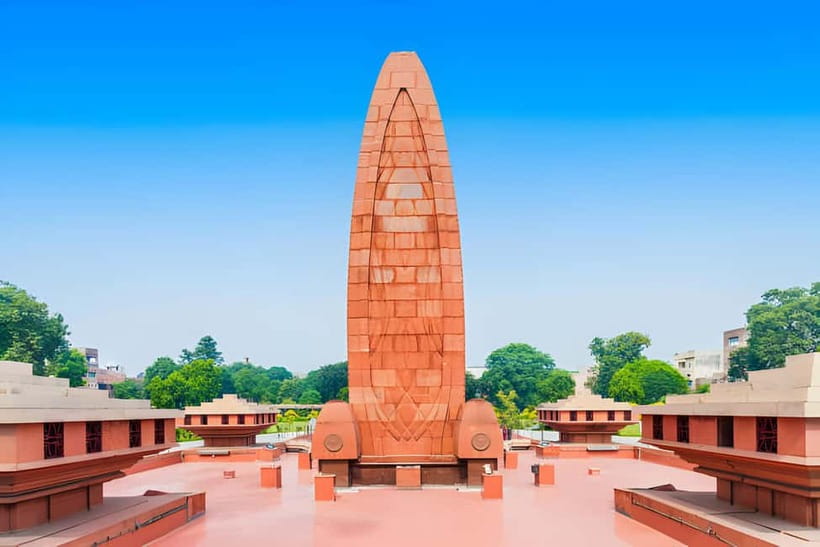
At $54 per person for a one-day loop, the value mostly comes from removing friction. Your day includes hotel (or train station) pickup and drop-off, private transportation, and a private tour with an English live guide. In a place like Amritsar—where the Golden Temple and Wagah Border can both draw serious crowds—that alone can be worth paying for.
You also get a small but helpful extra: a water bottle. And the tour offers skip the ticket line, which matters most when you’re moving between sites in a short window.
What’s not included is also important for your budget: lunch and dinner aren’t covered, and monument tickets may cost extra. So the “real” cost is the base price plus whatever you spend on food and site entry fees.
One more note that affects the feel of the day: you’re traveling by private car between multiple stops rather than staying in one neighborhood. That makes the schedule efficient, but it also means you should go in ready for a long, full day.
You can also read our reviews of more tours and experiences in Amritsar.
Golden Temple (Harmandir Sahib): where guidance makes the crowds easier
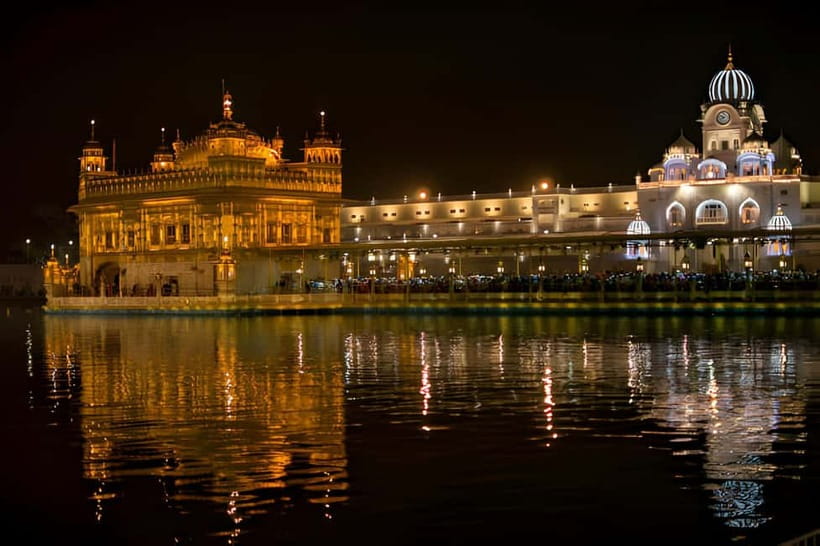
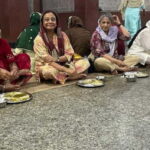
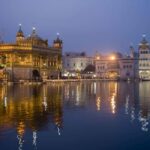
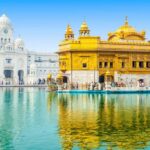
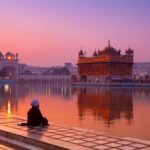
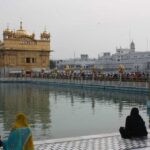
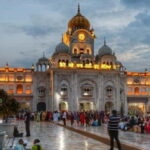
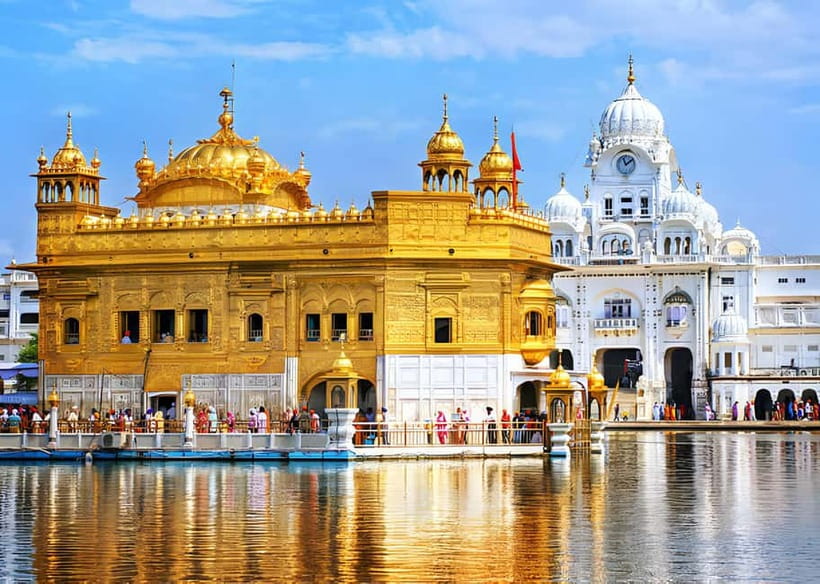
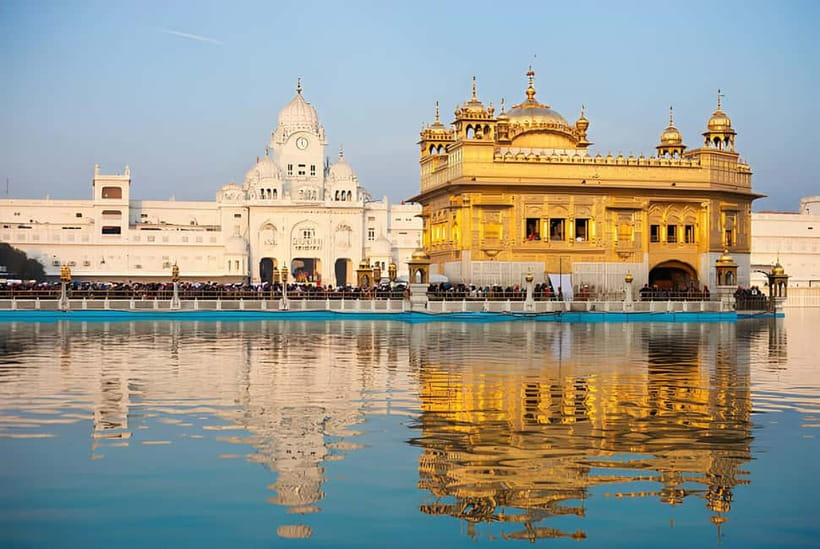
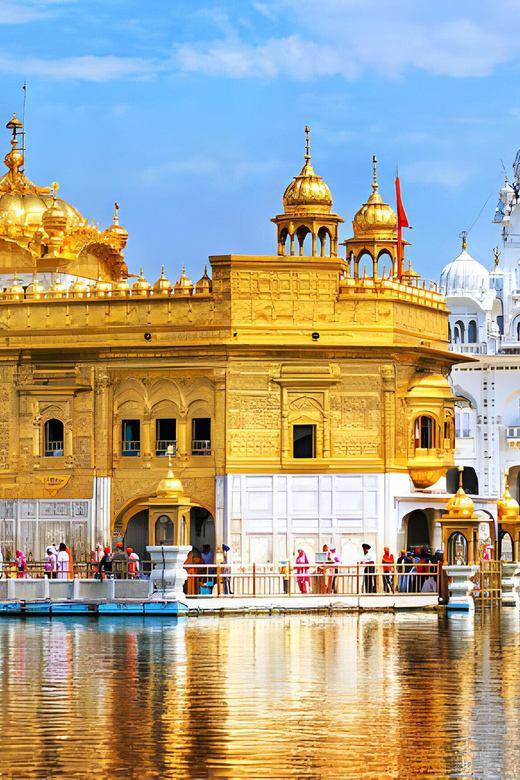
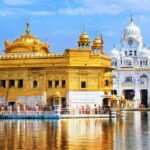
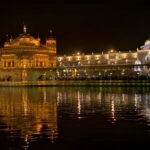
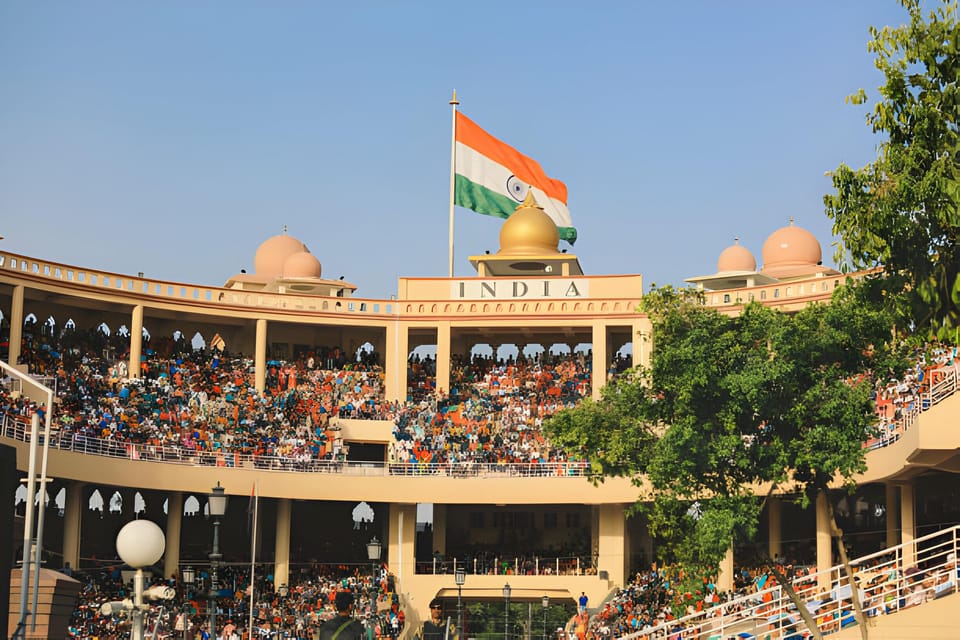
The day starts with a morning pickup and then a calm, logical first landing: the Golden Temple, also called Harmandir Sahib. You’ll get guided tour time (about 2 hours) and a chance to observe the Sikh rites and traditions while they’re happening.
This is the kind of place where your experience changes a lot depending on how quickly you understand what you’re seeing. I like that this tour prioritizes orientation early. When guides such as Pyara Lal are involved, the feedback emphasizes “behind the scenes” areas and the way he helps people feel confident. That matters because it reduces that awkward feeling of standing around, not sure where to look or what matters most.
Practical tip: plan to dress appropriately for a sacred site, and expect that the crowd factor can be real even with skip-the-line support. The Golden Temple is a major destination, so your best move is to treat your time there like a slow walk with a purpose, not a checklist.
If you want a spiritual site that also delivers real historical and cultural context, this is the anchor stop for that.
Jallianwala Bagh: seeing the site with the right context
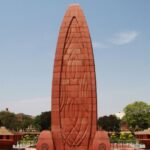
After the first stop, the tour shifts tone with a visit to Jallianwala Bagh. You’ll have about 1 hour with a guided visit and sightseeing time.
This place is known for being connected to India’s largest massacre during British rule. It’s not a stop where you can “wing it” with a quick glance. What helps is having a guide frame what you’re seeing—why the site is remembered, and how that memory fits into the bigger story of the era.
The benefit of being on a structured private tour is that you can slow down without worrying about transport, timing, or whether you’re missing key meaning. The drawback is emotional: this is heavy ground. If you prefer lighter sightseeing the whole day, keep that in mind and pace yourself.
Partition Museum and the weight of personal stories
From Jallianwala Bagh, you head to the Partition Museum for about 1 hour. This museum stop is included because the Partition story sits right next to the places tied to conflict and suffering in modern Punjab.
I like museum stops on a day like this because they turn “events” into something you can grasp through human perspective. You’re not just hearing that Partition happened; you’re given a guided way to understand what it meant for people and communities.
One practical advantage: after a solemn outdoor memorial, the museum gives you a different kind of focus. You can walk, read, and process with the guide at your side.
If you’re short on time in Amritsar, this is one of the best places to invest an hour. It helps your other stops make more sense.
Durgiana Temple and Maharaja Ranjit Singh Museum: faith and legacy in one circuit
In the middle of the day, the tour adds two stops that connect architecture and leadership to Sikh identity.
First up is the Durgiana Goddess Temple, included specifically because it resembles the Golden Temple. That similarity matters: it gives you a way to compare sacred design elements across sites without having to travel far.
Then comes the Maharaja Ranjit Singh Museum, also referred to as the Sikh ruler’s summer home. You’ll get guided time to view 18th and 19th century Sikh religious artefacts.
Why I like this pairing: it prevents the day from becoming only “either spirituality or history.” Instead, you move from living tradition (Golden Temple) to remembrance (Jallianwala Bagh) to storytelling and context (Partition Museum), and then to how faith and power show up in objects and spaces (museum) and visual language (temple resemblance).
A small caution: museum time can feel dense if you’re already tired from early walking. The upside is that you’re on a private schedule, and the guide can pace how the facts land.
You can also read our reviews of more tours and experiences in Amritsar
Lunch hour in Amritsar: use it to reset, not just refill
You’ll have a 1-hour lunch break. Lunch isn’t included, so you’re free to choose what fits your day.
This is also the best window to rest your feet and reset your energy for the evening ceremony. When a day includes the Golden Temple and then Wagah Border later, you’ll thank yourself for using lunch as a breather rather than a frantic hunt for food.
One of the positives tied to this kind of tour is that a good guide can point you toward tasty local options and help you shop without stress. In previous experiences with guides like Pannu, people highlighted the chance to try local food and buy souvenirs—so keep your eyes open after lunch for opportunities to pick up small keepsakes while you’re still in “tour mode.”
Attari–Wagah border ceremony: photo stop and the IND-PAK ritual energy
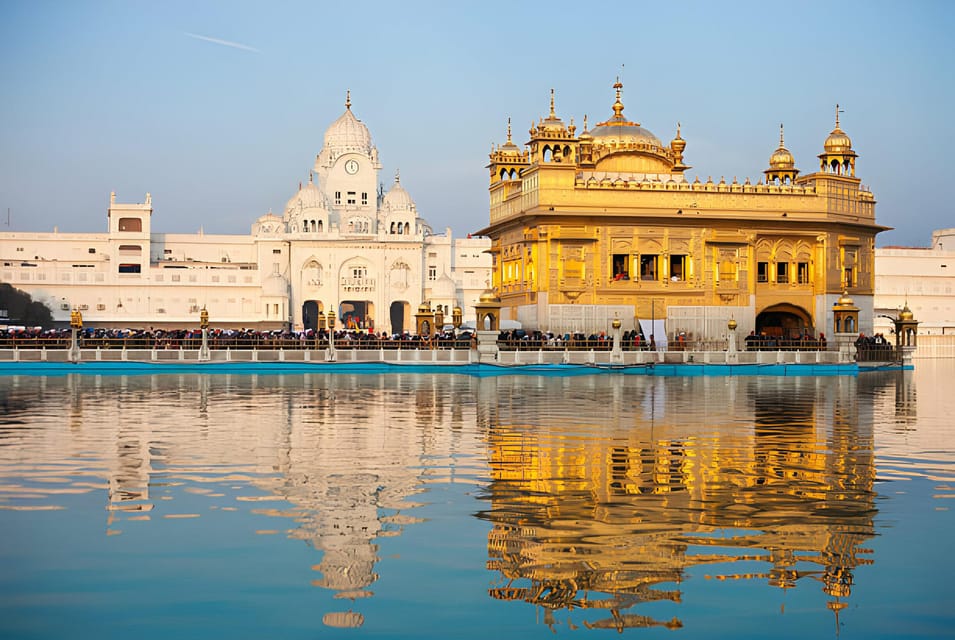
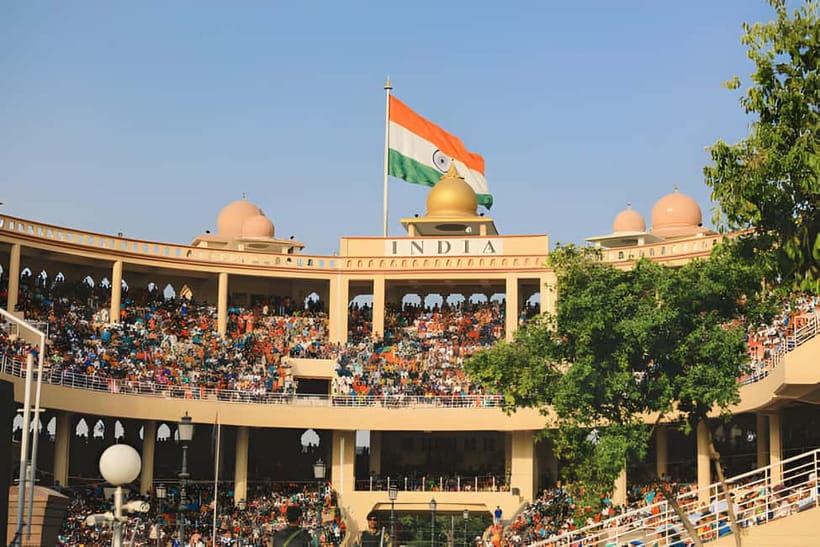
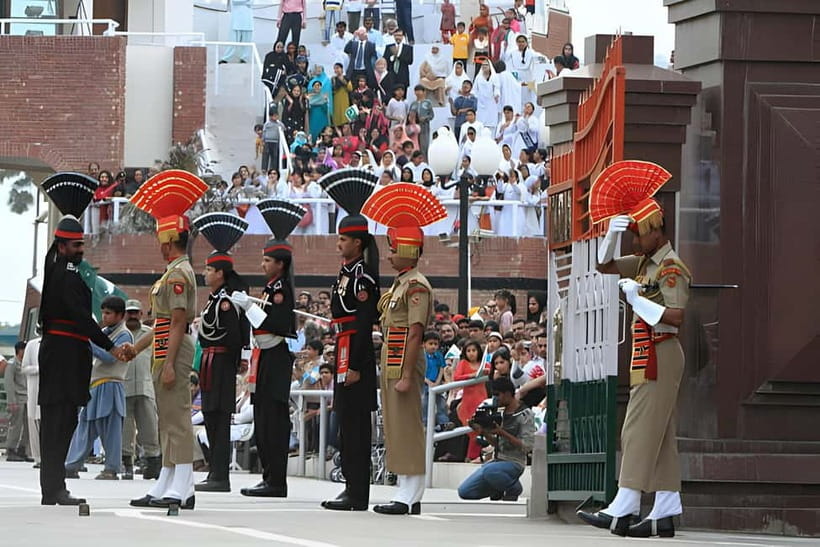
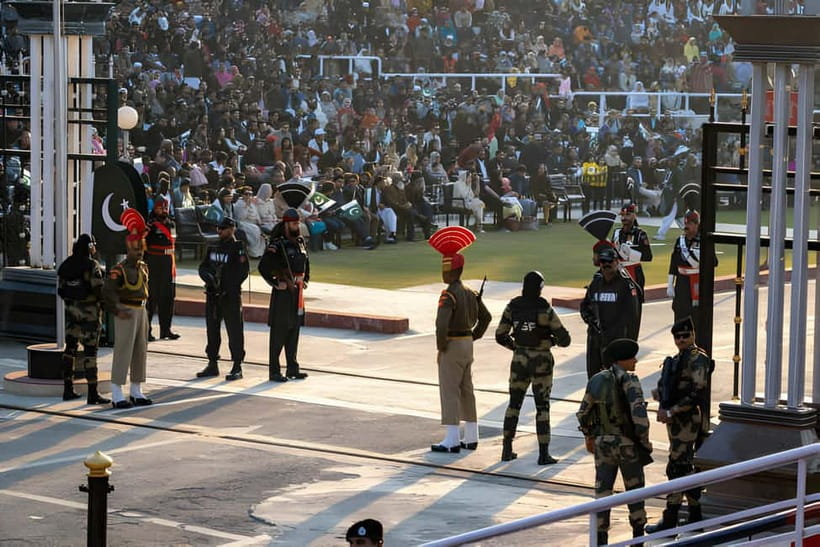
In the evening, you’ll travel to Attari–Wagah border for about 3 hours. The tour includes a photo stop, sightseeing, and guided time around the ceremony.
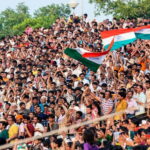
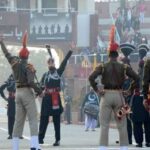
The Wagah ritual is described as a patriotic military performance at the IND-PAKISTA border (the flag ceremony/flag-lowering style event). You’ll see Indian army performance here, and it’s one of those experiences where the crowd energy becomes part of the show.
This is also where the tour’s “private and guided” setup really helps. Even if you’re not seated for the entire event (details aren’t provided here), having someone manage timing and movement keeps you from feeling lost in the mass.
If you’re someone who likes big, planned set-piece events—like ceremonial marching or visible military pageantry—this stop is a strong reason to book.
Just go in with realistic expectations: it can be intense, loud, and crowded. That’s normal. The tour’s value is how it keeps you organized when things get busy.
What to know before you go (so the day feels smooth)
A few details matter because they affect comfort, access, and how smoothly the guide can work.
- Bring your passport or ID card.
- Alcohol and drugs aren’t allowed.
- The tour is not suitable for pregnant women.
- Expect an English live guide and private group format.
Also, note the one thing I’d take seriously: this is a tour that runs on relationships between pickup, driver, and guide. The positive experiences mention guides like Pyara Lal making the day stress-free, but there has also been at least one unhappy experience involving a missing/unclear guide at pickup and a language mismatch. That’s not something you can predict, but you can protect yourself by confirming your guide name and role right away when you meet them.
Finally, dress and comfort matter. You’ll be walking and spending meaningful time at major sites in the day’s heat and crowd conditions (especially at the Golden Temple and later at Wagah). Wear shoes you can move in, and carry patience.
Should you book this Amritsar Local City Tour?
I’d book if you want a structured one-day overview of Amritsar that hits the main spiritual landmark, the major memorials/museum context, and the famous evening ceremony—without trying to coordinate multiple rides and entrances yourself.
It’s especially a good fit if:
- you like having an English guide explain what you’re seeing
- you want a plan for both morning and evening highlights
- you prefer private transportation over local transfers
Skip it (or consider another option) if:
- you don’t handle solemn historical sites well, because Jallianwala Bagh and the Partition Museum are intense
- you’re very sensitive to schedule disruptions, since this day depends on a smooth pickup and guide handoff
- you need lunch included in your price, since lunch isn’t included and monument tickets may add cost
If you book, do yourself a favor: confirm you’re meeting an English-speaking guide at pickup, plan for a long day, and treat Wagah Border as a crowd event—then you’ll get the most out of what this tour is trying to do.
FAQ
How long is the Amritsar one-day local city tour?
The tour runs for 1 day.
What stops are included during the day?
You’ll visit the Golden Temple (Harmandir Sahib), Jallianwala Bagh, the Partition Museum, the Durgiana Goddess Temple, the Maharaja Ranjit Singh Museum, and the Attari–Wagah border ceremony.
Does the tour include hotel pickup and drop-off?
Yes. Pickup is included from your hotel or train station, and you’ll also be dropped back in Amritsar after the tour.
Is lunch included in the price?
No. Lunch (and dinner) are not included. Lunch is scheduled as a 1-hour break.
Are monument tickets included?
No. Monument tickets are not included.
What language is the live guide?
The live tour guide speaks English.
What ID do I need to bring?
You should bring a passport or an ID card.