REVIEW · JAIPUR
Jaipur: Jhalana Amagarh Leopard Safari Park Guided Tour
Book on GetYourGuide →Operated by Parikshit Tour and travels · Bookable on GetYourGuide
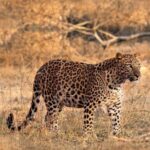
A leopard in the wild is a rare kind of rush. This Jhalana Amagarh Leopard Safari is built for conservation education, with a guided drive through Jaipur’s Aravalli foothills where you look for leopards and lots of other animals in open space. I especially like that the park sits close to central Jaipur, so it feels like a real day activity, not a far-flung expedition, and I also like the sheer scale: 23 sq km of reserve habitat where wildlife has room to behave naturally. One thing to plan around: leopards are never guaranteed, and the rules are clear that you won’t get money refunded if you don’t spot one.
You’ll ride in a shared safari vehicle (or a smaller setup if that option is available), following the park’s open routes through the tourism area and nearby forest. I like that the park is managed by the Government Forest Department and that your English live guide helps you connect what you’re seeing to the bigger conservation story. The timing can shift by season, and the roads can be bumpy, so it’s smart to travel with comfort in mind.
In This Review
- Key things that make this safari worth your time
- Jhalana Amagarh in Jaipur: a different kind of leopard outing
- Your 2.5 hours: how the safari session typically plays out
- Leopards aren’t guaranteed: how to set expectations (and still enjoy it)
- What you might see besides leopards
- The drive, the comfort, and the clothing that actually helps
- Rules, reality checks, and the small logistics that affect your day
- Price and value: is $36 fair for this kind of safari?
- Who this safari suits (and who should skip it)
- Should you book the Jaipur Jhalana Amagarh Leopard Safari?
- FAQ
- How long is the safari?
- Is leopard viewing guaranteed?
- What’s included in the price?
- Do I need to bring anything like binoculars?
- What language is the guide?
- Are there age or health restrictions?
- Do I need my passport for entry?
Key things that make this safari worth your time
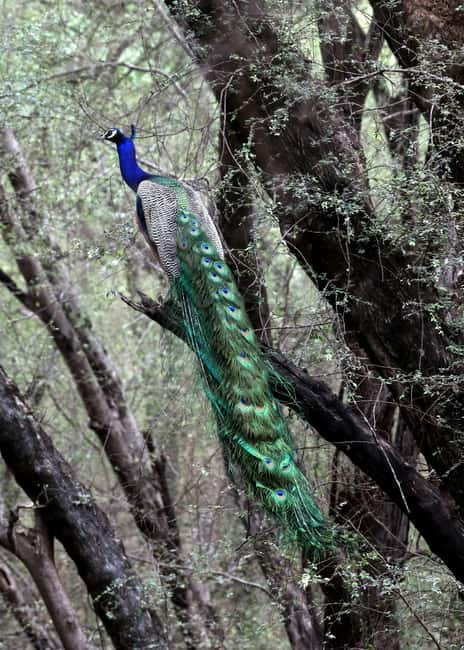
- Leopards live here, and there are known territories in the tourism zone, with only a portion of the resident cats using areas where vehicles drive
- Open-space viewing over a large area (23 sq km), instead of tight, zoo-like enclosures
- A conservation-education focus, run under the Government Forest Department
- You’re not only chasing leopards: jackals, nilgai, hyenas, jungle cats, and peacocks are part of what you might spot
- Bring binoculars and quiet down: your chance of noticing wildlife improves when you look carefully and keep noise low
- Sightings can be unpredictable, and the park doesn’t refund if leopards aren’t seen
Jhalana Amagarh in Jaipur: a different kind of leopard outing
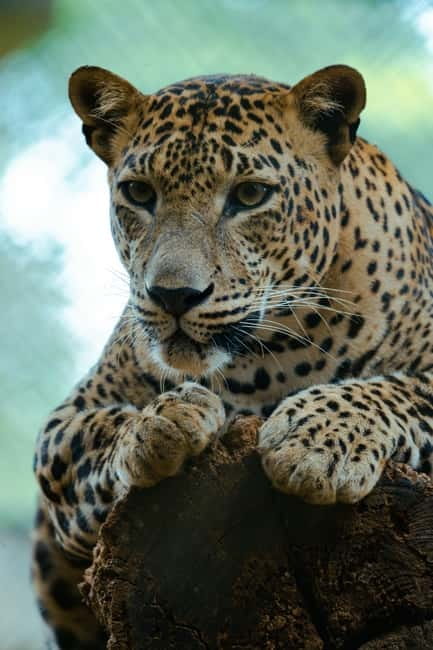
Jaipur is famous for forts and palaces. This safari is for a different mood: quieter, more patient, and more about spotting animals than checking sights. Jhalana Amagarh Leopard Safari Park is close to the airport and right in Jaipur’s orbit, so it works well if you want to add wild nature without losing half a day to travel.
What makes it interesting is that you’re not visiting a stitched-together “show.” This is a reserve forest experience built around conservation and education, operated by the Government Forest Department. The park’s open habitat is large—23 square kilometers—and it’s designed to let wildlife use the area in the way it naturally would.
You’ll also appreciate the scale. The park states it has over 500 animals, and it’s home to 30–35 leopards, though only 6–7 are described as having territory specifically in the tourism area where vehicles go. That one detail matters: you’re hunting a moving possibility, not a guaranteed highlight.
You can also read our reviews of more guided tours in Jaipur



Your 2.5 hours: how the safari session typically plays out
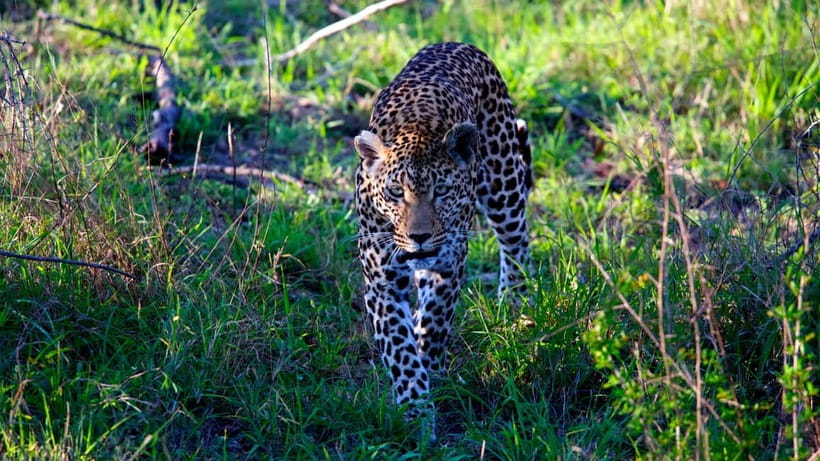
The tour starts at Amagarh Leopard Reserve, then you head into the safari section for wildlife viewing for around 2 to 2.5 hours. The overall tour duration is listed as 2.5 hours, and the viewing window can vary slightly based on the season and starting times.
In practical terms, the experience is mostly driving slowly on reserve roads and scanning the habitat—trees, scrub, and open clearings—for movement and shape. You’ll likely spend a chunk of your time watching from the vehicle, then repositioning as the guide steers you toward more promising parts of the route.
The park currently has two safari routes open for visitors. Which one you get can depend on availability, so don’t expect a perfectly repeatable loop every time. That’s also why your best mindset is flexible: the goal is to give your group access to areas where wildlife tends to be active.
One small reality check: you may hear about wildlife “hot moments,” but most of the time it’s still patient looking. Your guide’s job is to manage the drive, explain what you’re seeing, and keep the group focused without turning it into noise or chaos.
Leopards aren’t guaranteed: how to set expectations (and still enjoy it)
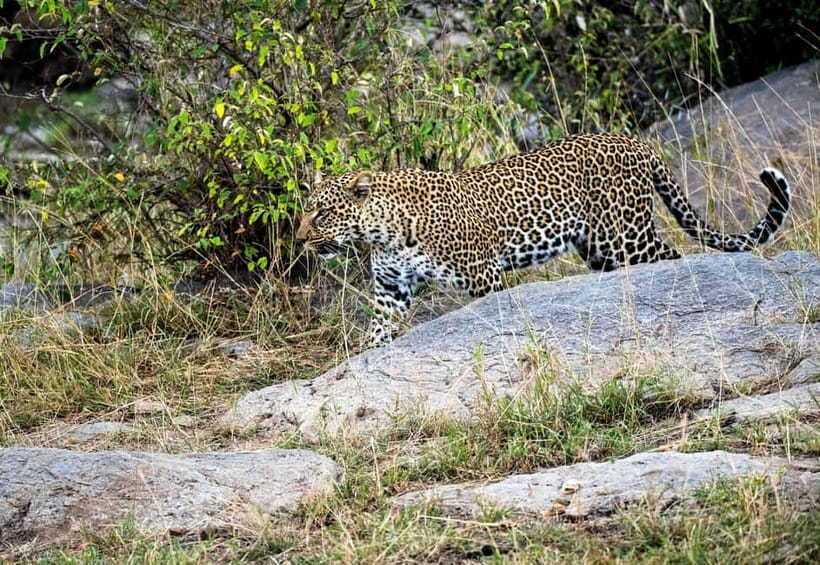
Let’s deal with the big point up front. The park is upfront that money won’t be refunded if leopards are not seen. That’s not a marketing trick; it’s a statement of how wildlife works. Even in a place where leopards live, you can arrive on a quiet day, or you might get spotted once everyone is in the right spot at the right moment.
Here’s how I’d think about it: this safari is valuable even when you don’t see a leopard close up. You’re in a real reserve habitat with real predators and prey. On a good day, you’ll see signs—silhouettes, tracks, movement in brush—that make the whole experience feel like wildlife, not entertainment.
And when you do get a sighting, timing is everything. The park’s structure (territories plus a tourism zone) means leopards may show up later, or at a distance, or briefly as they move between cover. If you’re expecting a guaranteed “main character” moment the second you step in the vehicle, you’ll feel let down. If you’re looking for a wildlife hunt-style experience, you’ll feel more satisfied even without a dramatic close encounter.
What you might see besides leopards
You shouldn’t treat this as a one-animal tour. The park’s pitch includes a wide range of resident and migratory wildlife across the 23 sq km area, and your odds improve when you’re open to what’s around you.
The listed possibilities include:
- Jackals
- Nilgai (blue bull)
- Hyenas
- Jungle cats
- Peacocks
You may also notice spotted deer, wild boars, and lots of birds. Some of the animal variety comes from the park’s setting in the Aravalli region and the fact it has been a home for smaller fauna for a long time. In other words, even on days when leopards don’t show clearly, you can still get a satisfying mix of sightings and birdlife.
Practical tip: your guide can point out the difference between an animal you’ll likely see soon versus something that’s only present in specific pockets of habitat. Keep your attention wide and your scanning steady. Quick looks miss the best signals.
The drive, the comfort, and the clothing that actually helps
A safari should be fun. But the vehicle ride can be rough, with rumpelly roads noted by at least one recent booking. If you’re sensitive to motion, plan for it: keep your belly light and focus on comfort.
Dress for stealth. The guidance is to wear comfortable, neutral-colored clothing to blend with the surroundings. Bright colors can make it harder for wildlife to ignore you, and they’re also just less practical for long sitting and scanning.
Sound matters. You’ll get the best experience when the group keeps noise low. If someone keeps talking loudly or waving their arms, it can scatter animals and make the entire drive feel rushed.
Camera and binoculars: bring them. The park allows a camera, but you should avoid flash photography to not disturb wildlife. Binoculars are specifically recommended for better viewing. If you don’t have binoculars, plan to rent or borrow if possible, because distant sightings are a big part of how these safaris tend to work.
Also: no smoking is allowed. It’s an easy rule, but it’s good to know before you’re stuck turning down someone mid-drive.
You can also read our reviews of more tours and experiences in Jaipur

Rules, reality checks, and the small logistics that affect your day
This safari is run by the Government Forest Department, and entry involves a specific data step. The operator asks you to send your passport details (a passport photo or data) for park entry via WhatsApp or email after booking. Do this promptly so you’re not trying to scramble last minute.
Starting times can shift. The tour notes that safari start timing may vary by 1 to 2 hours depending on the season. If your Jaipur schedule is tight, keep a buffer.
Also understand the two “not refundable” situations:
- No leopard sightings: money won’t be refunded if leopards aren’t seen.
- Weather issues: money won’t be refunded if the safari can’t take place due to bad weather.
One more thing that can surprise people is how shared vehicle costs are handled. A booking experience described being asked to pay a share for someone who didn’t arrive. I can’t call it a universal policy, but I’d treat shared safari groups as a setup where last-minute changes might affect the final amount you’re asked to cover.
Who runs it on the ground? The experience provider is Parikshit Tour and travels, and the guide is listed as English. That matters because good wildlife driving is half navigation and half communication—if the guide can explain behavior and point out likely locations, your experience feels higher quality even when animals stay distant.
Price and value: is $36 fair for this kind of safari?
At about $36 per person for a 2.5-hour guided safari, the value comes from three things: access, habitat size, and guidance. You’re paying for entry into a reserve forest safari setup, a guided English experience, and transportation in a sharing safari vehicle. You’re also getting access to a place where leopards are known to live in significant numbers.
That said, value depends on your expectations. If you’re only here for a guaranteed close-up leopard photo, you’re setting yourself up for disappointment. The park’s rules don’t promise sightings, and that risk is part of what you’re paying to access.
Where the price feels most reasonable is when you treat it like a real wildlife outing:
- You go in ready to spot multiple species.
- You bring binoculars and use them.
- You stay quiet and keep your eyes moving.
- You accept that the best moments can be brief or distant.
If you’re traveling with someone who gets motion sick easily, or you want maximum control over pace and crowds, it’s worth looking at whether small groups or private options are available in your booking. Hotel pick-up and drop-off in an AC car is listed as included only if you choose the relevant option.
Who this safari suits (and who should skip it)
This is best for active, patient adults who don’t mind waiting for animals. You’ll likely spend long minutes sitting and scanning rather than walking.
It’s not suitable for:
- Children under 8
- Pregnant women
- People with back problems
If you fit those categories, don’t try to force it. A safari vehicle ride plus sitting time can be uncomfortable. Also remember the roads can be rough.
If you enjoy wildlife, birds, and the idea of learning from a guide, you’ll likely have a good time even when leopards don’t fully cooperate. This is also a strong choice for anyone already in Jaipur who wants an experience with a real conservation angle and a chance to see predators in a reserve setting rather than only in captivity.
Should you book the Jaipur Jhalana Amagarh Leopard Safari?
Book it if you want:
- A short, well-paced wildlife outing in Jaipur
- Chances to see leopards and other animals in a real reserve habitat
- An English live guide and a conservation-focused setting
- A practical half-day add-on that doesn’t require a long trip out of town
Skip it if you need:
- A guaranteed leopard sighting (the park does not promise that)
- A smooth, easy ride with minimal sitting and motion
- Accessibility or comfort for back issues, pregnancy, or young kids under 8
My final take: this is one of those tours where the payoff is proportional to your patience. If you show up ready to scan, listen, and accept wildlife uncertainty, you’ll come away with a day that feels grounded in nature—not just a checklist of Jaipur attractions.
FAQ
How long is the safari?
The tour is listed as about 2.5 hours, with safari viewing time typically running around 2 to 2.5 hours depending on the session.
Is leopard viewing guaranteed?
No. The rules state that money will not be refunded if leopards are not seen.
What’s included in the price?
You’re covered for safari entry and the guided safari tour (one available route depending on conditions), plus transportation in a sharing safari vehicle. Some options also include private leopard safari and hotel pickup/drop-off by AC car.
Do I need to bring anything like binoculars?
Binoculars are recommended for better wildlife viewing. Cameras are allowed, but avoid flash photography.
What language is the guide?
The live tour guide is listed as English.
Are there age or health restrictions?
Yes. It’s not suitable for children under 8, pregnant women, or people with back problems.
Do I need my passport for entry?
Yes. After booking, you’re asked to send your passport for park entry via WhatsApp or email.