REVIEW · AMRITSAR
Amritsar Heritage Walk: “Back in Time”
Book on GetYourGuide →Operated by WalkandExplore · Bookable on GetYourGuide
Old Amritsar feels close-up on foot. This Amritsar Heritage Walk: Back in Time stitches together partition-era context, sacred sites, and street-level life into one easy, memorable walk around the old quarter.
I especially love how the guide turns landmarks into stories you can actually picture, from Jallianwala Bagh to the maze of lanes toward Baba Bohar. I also like the practical market focus: you get pointers for bargaining and saving money, plus guidance on where the city’s day-to-day textures show up.
One thing to consider: entrance fees (and camera charges inside monuments) are not included, so you’ll want a small extra budget if you plan to photograph or enter every site.
In This Review
- Key things you’ll notice on this walk
- Why this Amritsar heritage walk feels different
- Starting outside the partition museum: context first
- Jallianwala Bagh: remembering 1919 without rushing
- Baba Bohar lanes and old alley architecture
- Frescos in an ancient Hindu temple: a pause that’s worth it
- A 150-year workshop from Punjab’s early Industrial Revolution
- Market streets: Guru Bazaar, Kathia Bazaar, and Maisewan Bazaar
- How Hardik (and Prarit) turn streets into stories
- Walking comfort: rain plans and narrow-street logistics
- Price and value: what $18 really buys
- Should you book this tour? Best fit and watch-outs
- FAQ
- FAQ
- Where does the tour start?
- How long is the Amritsar Heritage Walk?
- How many places do you visit?
- What major sites are included?
- What languages are offered during the tour?
- What isn’t included in the price?
- Is camera use covered?
- Can I reserve and pay later?
Key things you’ll notice on this walk
- Start outside the partition museum so 1947 isn’t just a date on a wall
- Jallianwala Bagh is treated with care and context, not as a quick stop
- Narrow lanes toward Baba Bohar make the city feel lived-in, not staged
- An ancient Hindu temple with fresco artwork lets you slow down with something beautiful
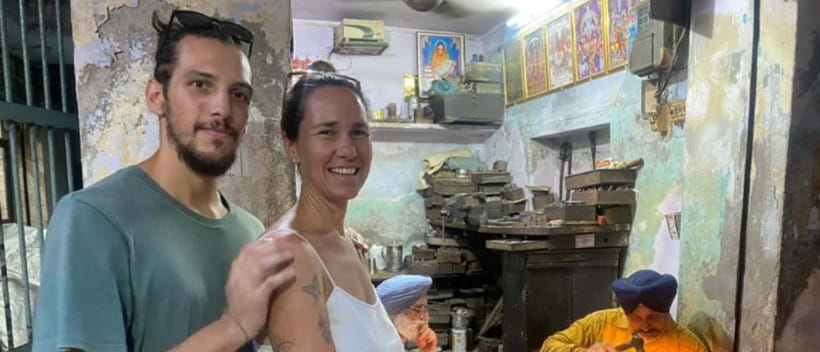
- A 150-year workshop connects old Punjab to early industrial work
- Market streets like Guru Bazaar and Maisewan Bazaar help you shop with local sense
Why this Amritsar heritage walk feels different
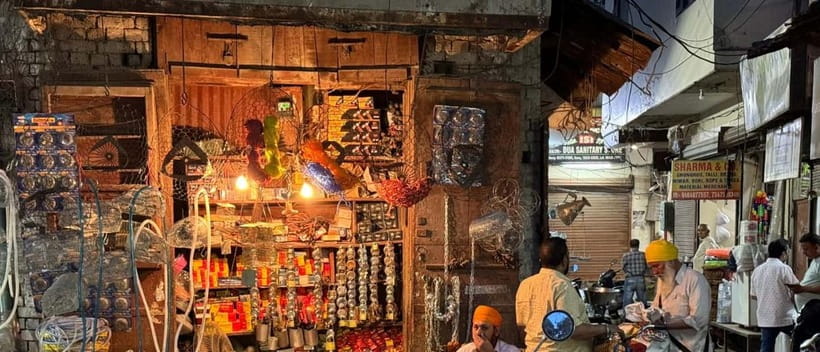
This isn’t a checklist tour. It’s a guided walk that helps you read the city as you go. You start with the big turning points—partition and the 1919 tragedy—then you move into the smaller, human-scale stuff: alleys, facades, craft corners, and the kinds of snacks and shopping streets that keep Amritsar going.
I like that you’re not left to guess what matters. A good guide can do two jobs at once: explain what you’re seeing and explain why it’s there. With this tour, you get both, in Hindi, English, or Punjabi (based on what you choose).
The price is also refreshingly straightforward. At $18 per person, you’re paying for the guide storytelling and route through important sites, not for a pile of expensive add-ons. You’ll still budget for monument entry if you want to go inside, but the walking plan is built to help you get value from what’s included.
You can also read our reviews of more walking tours in Amritsar

Starting outside the partition museum: context first
The tour begins outside the Partition Museum, and that matters. Partition is the kind of history that can feel abstract until you connect it to real lives and real streets. Starting here gives you a clear lens before you go anywhere else.
After that, the walk shifts into the wider story of Punjab—culture, daily life, and local facts that make the city feel less like a set of sights and more like a place with continuity. This is where the guide’s job really starts: pointing out details you’d otherwise miss and turning them into quick history lessons you can carry forward.
If you’re coming to Amritsar for the big names, this opening helps you understand the smaller ones too. You’ll walk with better instincts for what to pay attention to as you move through older neighborhoods.
Jallianwala Bagh: remembering 1919 without rushing
No Amritsar walk deserves your time if it skims past Jallianwala Bagh. This stop is described as the place that sparks the flame of independence, and you can feel why the timing and the tone matter here.
The guide brings the history forward with a focus on what happened in 1919 and why the site became a solemn memorial. That means you’re not just looking at a point on a map—you’re learning the meaning behind it as you stand there.
One practical tip: expect this to be the most emotionally serious part of the route. If you need a quick reset afterward, the old-city lanes and markets are a good place to breathe and re-enter daily life, with the contrast making the whole experience more understandable.
Baba Bohar lanes and old alley architecture
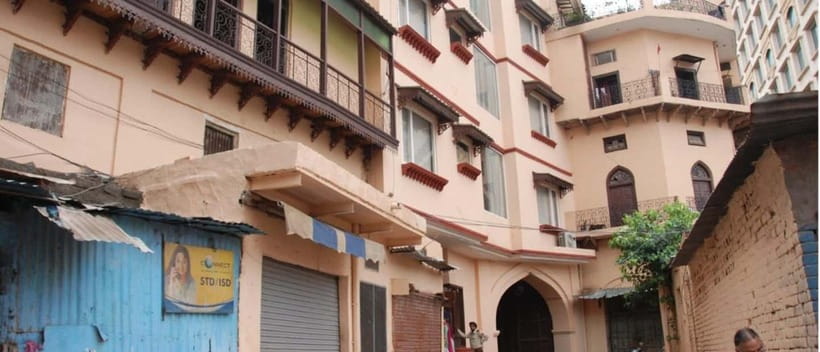
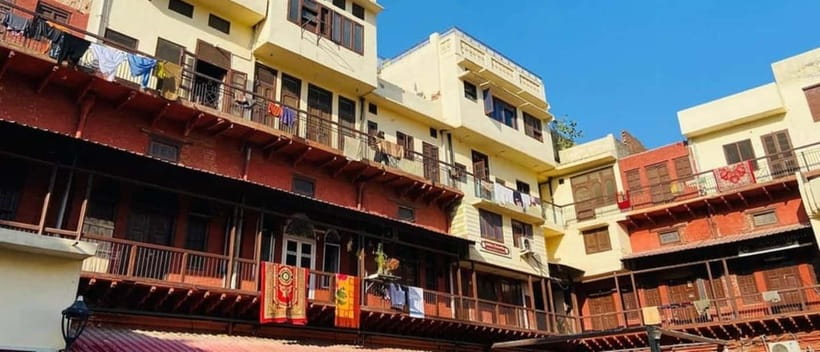
After Jallianwala Bagh, the tour turns more intimate. You head toward the narrow old alleys toward Baba Bohar, where the city’s older rhythm shows up fast.
These lanes aren’t just “pretty street scenes.” They’re part of how people historically moved, shopped, worshipped, and gathered—so when you see them with a guide explaining what you’re looking at, the architecture becomes a story.
You’ll also notice the difference between walking the broad streets and stepping into the tighter passages. The city gets quieter, slower, and more detailed. One of the tour’s selling points is that it includes access to narrow streets and hidden areas, so you’re not stuck with the same safe viewpoints everyone else finds.
Frescos in an ancient Hindu temple: a pause that’s worth it
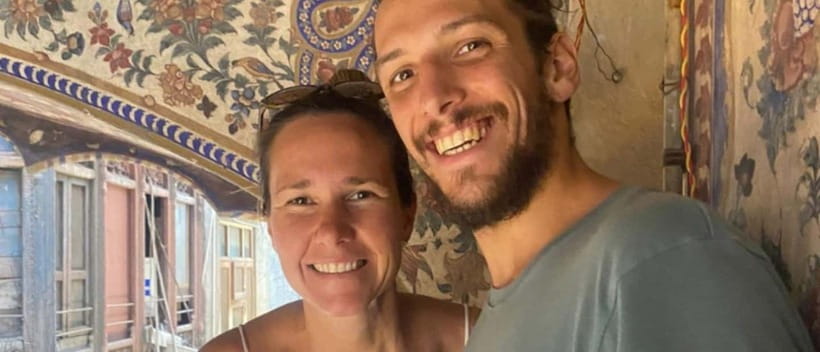
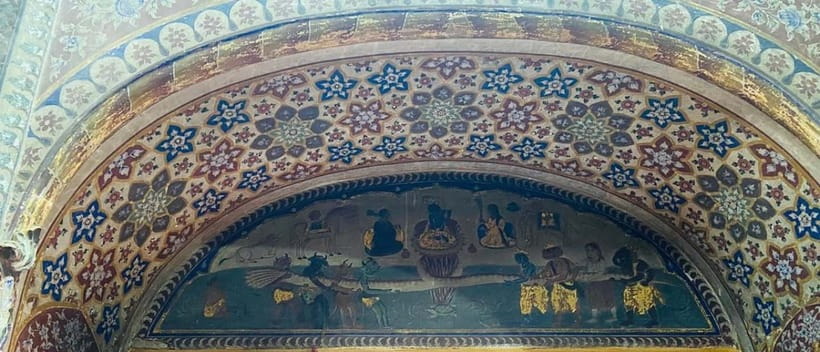
A standout included visit is an ancient Hindu temple where you can see fresco artwork on the walls. This is a different kind of stop than the memorial sites. Instead of focusing on tragedy or struggle, you get a chance to see how faith and artistry show up together in physical space.
What’s smart about including a temple visit is balance. Jallianwala Bagh asks for respect and reflection. A temple with frescos asks for observation—colors, patterns, and the way artwork changes how you experience a room.
Keep expectations realistic: temple interiors can have rules about photography and movement, and camera charges may apply inside monuments (not included in the tour price). If photos matter to you, set aside a little extra budget and follow any signage your guide points out.




A 150-year workshop from Punjab’s early Industrial Revolution

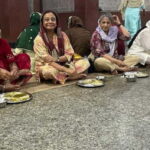
Another highlight is the 150-year workshop connected to the early Industrial Revolution. This stop broadens the story beyond religion and politics into work, tools, and how technology influenced city life.
Even if you don’t know the technical details, you’ll learn what to look for: the function of the space, what kinds of labor it supported, and why this kind of site belongs inside an Amritsar heritage walk.
This is also a nice breather between emotionally heavy moments and sensory market crowds. Workshops slow you down a bit. You get to see craftsmanship and the physical side of history—how people made things, not just what they believed.
Market streets: Guru Bazaar, Kathia Bazaar, and Maisewan Bazaar

Then the route becomes practical in the best way: shopping streets. You’ll pass through Guru Bazaar, Kathia Bazaar, and Maisewan Bazaar, where you can expect traditional crafts, jewelry, spices, and local foods.
What I like most here is the money-management angle. The tour includes tips for bargaining and saving money, which can be the difference between buying something you love and paying tourist prices for something you don’t need.
Markets also help you understand local life fast. You see not just products, but pace and habits—vendors who recognize regulars, quick conversations, and the smell of spices that tells you you’re in the right place.
If you’re hunting for gifts, this is a smart place to do it. With a guide, you can ask what something is, what it’s for, and what fair pricing might look like.
How Hardik (and Prarit) turn streets into stories
You’ll feel the value of a guide quickly. The strongest reviews emphasize Hardik for keeping the walk engaging, answering questions, and pointing out architectural influences and details that would otherwise fly by. Another guide name that shows up is Prarit, praised for clear, detailed explanations.
This matters because Amritsar’s old areas reward slow attention. Without guidance, you might get lost in the interesting-but-no-direction feeling. With a good storyteller, you start noticing patterns: where a facade suggests a history, how a lane layout connects to daily movement, and why specific sites sit where they do.
The tour also supports multilingual storytelling (Hindi, English, Punjabi). If English isn’t your strongest option, you still have a choice that keeps you comfortable and fully in the conversation.
Walking comfort: rain plans and narrow-street logistics
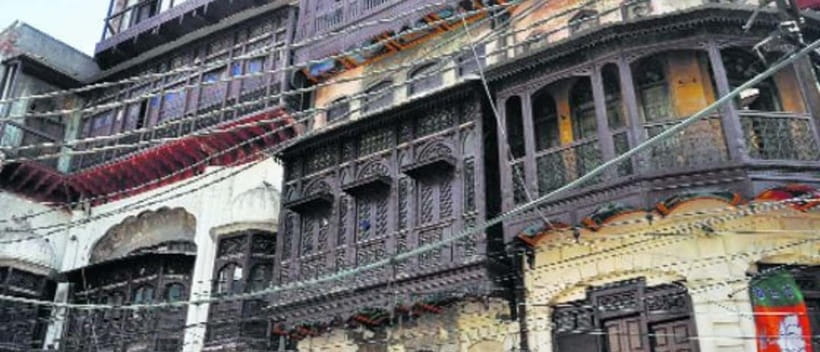
This is a walking tour that includes narrow streets and excess/access to smaller lanes, so comfortable shoes are not optional. Also remember: you’re dealing with weather. One experience described a thunder and lightning storm, and the guide adjusted by steering things toward nearby indoor options like a museum and an eatery.
That’s the practical part you want from a guide: not just facts, but flexibility. Narrow streets can be tricky in rain, and you don’t want to be stuck deciding where to go next. A good guide keeps you moving and safe.
If you’re a solo traveler, pay attention to how the guide handles your logistics. One detailed account highlights that the guide checked in to confirm safe arrival back to a hotel and helped arrange a taxi when pickup didn’t happen as planned. That kind of follow-through can make a big difference when you’re far from your comfort zone.
Price and value: what $18 really buys
At $18 per person, you’re paying for:
- guided storytelling in your preferred language
- access through important areas, including narrow lanes
- a planned route linking partition context, memorial sites, temples, and markets
- practical help with bargaining and money-saving ideas
What’s not included is equally important. Entrance fees to monuments and camera charges inside monuments are not included. So if you’re the type who wants to go inside every stop and take lots of photos, budget a bit extra.
Also plan for personal spending on food and shopping. The tour includes local life experiences and market walking, but it doesn’t bundle meals or purchases. If you want a baseline budget, think small, local snacks and one or two purchases rather than trying to buy everything in one place.
Should you book this tour? Best fit and watch-outs
I’d book this if you want Amritsar to feel like a place you understand, not just a series of stops. It’s especially good for:
- first-time visitors who want context around partition and Jallianwala Bagh
- people who like walking routes through older neighborhoods
- anyone shopping for local crafts who values bargaining guidance
Watch-outs: because it’s a walk through narrow alleys and older streets, it’s not the best match if you need long breaks, have mobility limitations, or hate walking in crowds. Also remember the tour doesn’t include all monument entry costs, so read your preferences ahead of time—do you want photos and indoor visits, or are you happy focusing on what you see from the outside?
If you want an Amritsar experience that connects big history to everyday street life, this walk is a strong fit.
FAQ
FAQ
Where does the tour start?
The tour starts outside the Partition Museum.
How long is the Amritsar Heritage Walk?
A review described it as a two-hour walking tour.
How many places do you visit?
The tour highlights mention visiting 8-10 heritage and historic places.
What major sites are included?
The included highlights specifically mention Jallianwala Bagh, historic streets, sacred sites, and narrow old alleys toward Baba Bohar.
What languages are offered during the tour?
Storytelling is available in Hindi, English, and Punjabi, based on your convenience.
What isn’t included in the price?
Entrance fees to monuments and camera charges applicable inside monuments are not included, along with personal expenses and anything not listed as included.
Is camera use covered?
Camera charges that may apply inside monuments are not included in the tour.
Can I reserve and pay later?
Yes. The tour offers reserve and pay later, with booking first and paying nothing today. Cancellation is offered up to 24 hours in advance for a full refund.