REVIEW · NEW DELHI
Delhi – Agra – Jaipur 3 Day Tour
Book on GetYourGuide →Operated by India Trip Designer · Bookable on GetYourGuide
Golden Triangle trips live or die on timing. This one is built around a sunrise Taj Mahal visit plus a private, A/C car that keeps the days moving.
Two things I really like: the attention to comfort and logistics (a driver who’s reliably on time, plus unlimited water and small snacks), and the big-ticket sights are covered in a sensible order from Delhi to Agra to Jaipur. One thing to consider up front: the pace is tight, so some stop time can feel short, and monument tickets typically add extra cost even though your guide helps you buy them without long queues.
In This Review
- Key Things You’ll Notice on This Delhi–Agra–Jaipur Tour
- A tight Golden Triangle route that’s heavy on highlights
- Day 1 in Delhi: tombs, minarets, temples, then a late drive to Agra
- What sunrise at the Taj Mahal changes
- Jaipur day: Amber Fort first, then the city’s signature stops
- Driver, car comfort, and the language setup that actually helps
- Ticket-line help vs ticket inclusion: plan for extra costs
- Hotels and the “how comfortable is it?” question
- Pacing and visit length: efficient, not slow
- Is $204 per person good value for Delhi–Agra–Jaipur?
- Who this tour suits best (and who should tweak the plan)
- Should you book this Delhi–Agra–Jaipur 3-day tour?
- FAQ
- What’s included with the private car and driver?
- Are pickup times arranged based on my flight?
- Does the tour include a sunrise Taj Mahal visit?
- Which monuments are visited in Delhi on day one?
- What do we see in Agra and what’s the schedule on day two?
- Is Fatehpur Sikri included on the way to Jaipur?
- What are the main sights in Jaipur on day three?
- Are monument tickets included in the tour price?
- What languages are the live guides?
- How does cancellation and payment flexibility work?
Key Things You’ll Notice on This Delhi–Agra–Jaipur Tour
- Sunrise Taj Mahal: earlier access for better light and a calmer start.
- Private A/C car with a driver: door-to-door travel across three cities with less hassle.
- Guides in multiple languages: English, French, German, or Spanish for guided time on monuments.
- Delhi and Agra monuments packed in: Humayun Tomb, Qutub Minar, India Gate, then Agra’s main sights.
- Fatehpur Sikri stop en route to Jaipur: a Mughal-era detour when you travel Agra → Jaipur.
- Ticket-line help, but not full ticket inclusion: you’ll get guidance for purchases without queue time.
A tight Golden Triangle route that’s heavy on highlights
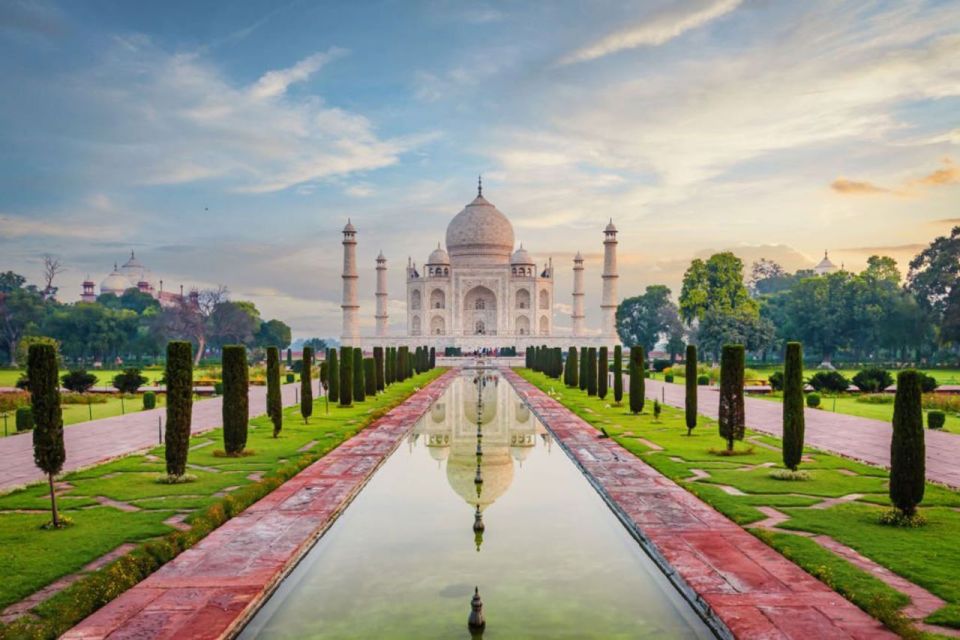
This is the classic Delhi–Agra–Jaipur loop, done in 3 days. That means you trade a slower, more relaxed rhythm for efficiency. If you want to check off the big names—Taj Mahal, Amber Fort, and the key Delhi landmarks—this does the job without making you figure out transport each day.
You also get the kind of setup that matters in India: private driving and consistent pickup/drop-off around your flight and hotel schedule. The tour runs as a private group, so you’re not stuck waiting for strangers to buy snacks or re-check their tickets.
Still, you should know the main tradeoff. Reviews point to visits that can feel brief (often only half a day per city), and one experience also flagged a less engaged guide on the first day. If you like deep, long-form explanations at every stop, you may want to plan for extra time or add an extra guided activity later.
You can also read our reviews of more tours and experiences in New Delhi



Day 1 in Delhi: tombs, minarets, temples, then a late drive to Agra
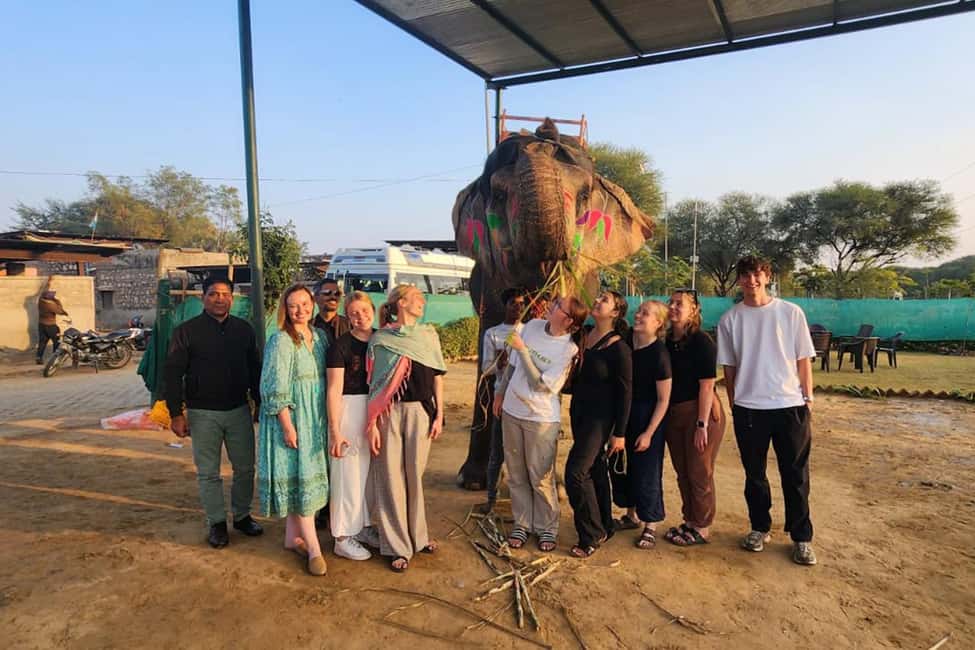
Day one starts with pickup from Delhi airport or your hotel in Delhi/Gurgaon/NCR, timed to your schedule. Then you jump straight into Delhi sightseeing with a guide and a tight list of top landmarks.
Here’s what you can expect to cover in Delhi:
- Humayun Tomb
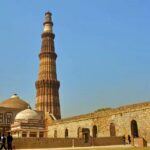
- Qutub Minar
- India Gate
- President House (as a photo-and-view stop)
- Lotus Temple
These aren’t random picks. They give you a quick sweep of Delhi’s mix: Mughal-era design (Humayun Tomb), landmark Islamic architecture (Qutub Minar), modern memorial space (India Gate), and a distinctive modern worship building (Lotus Temple). You’ll also get plenty of chances for photos because the stops are different in style, not just different in name.
Then comes the long move. In the evening you drive from Delhi to Agra (about 4 hours). Because traffic and timing vary, you should plan for a late arrival—around 8 or 9 pm—before checking into your Agra hotel and calling it a night.
What sunrise at the Taj Mahal changes
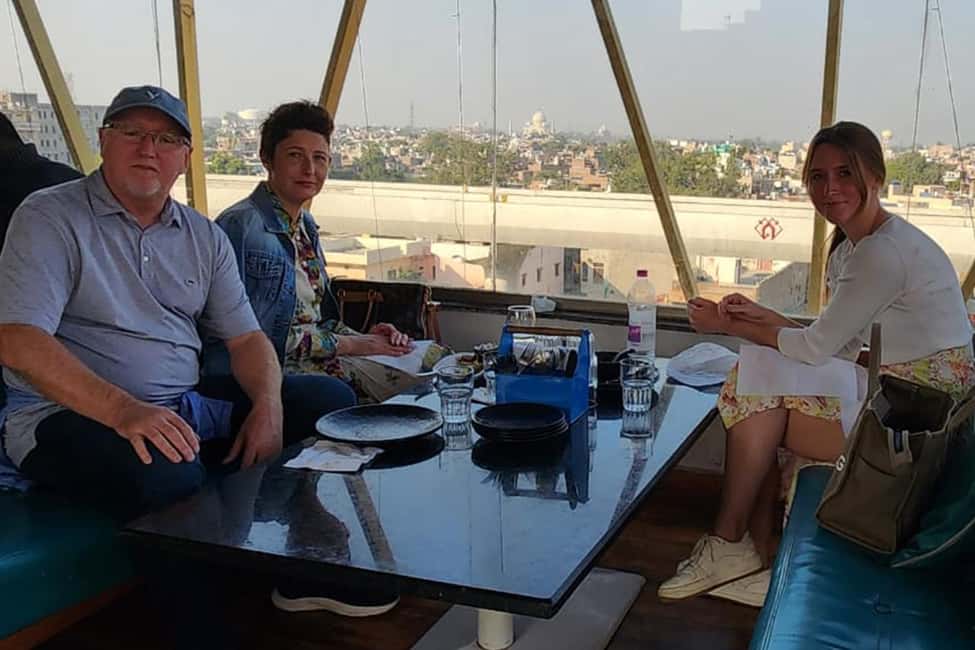
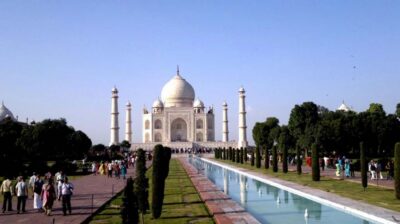
Day two is the big “wow” day, and it starts early. You’ll go to the Taj Mahal at sunrise, which is the best time to see it for practical reasons: softer light, fewer crowds, and a calmer start before the day heats up.
After the Taj Mahal visit, you head back for breakfast at the hotel. That detail is more important than it sounds. It helps you reset before the next historic stop, and it keeps you from searching for food right after a long morning.
Next up:
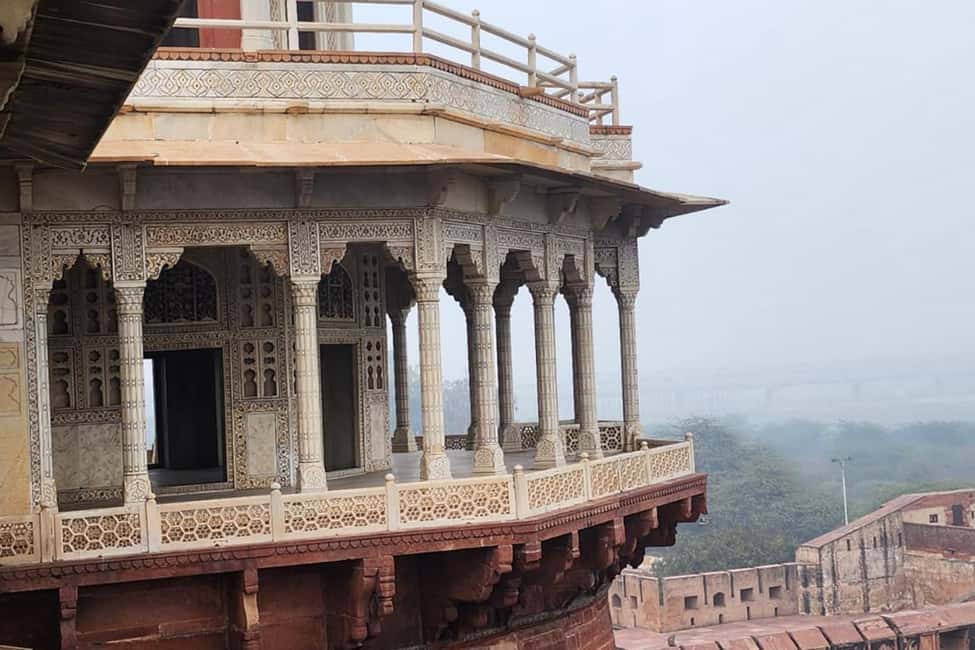
- Agra Fort
- Late afternoon departure from Agra to Jaipur (about 4 hours)
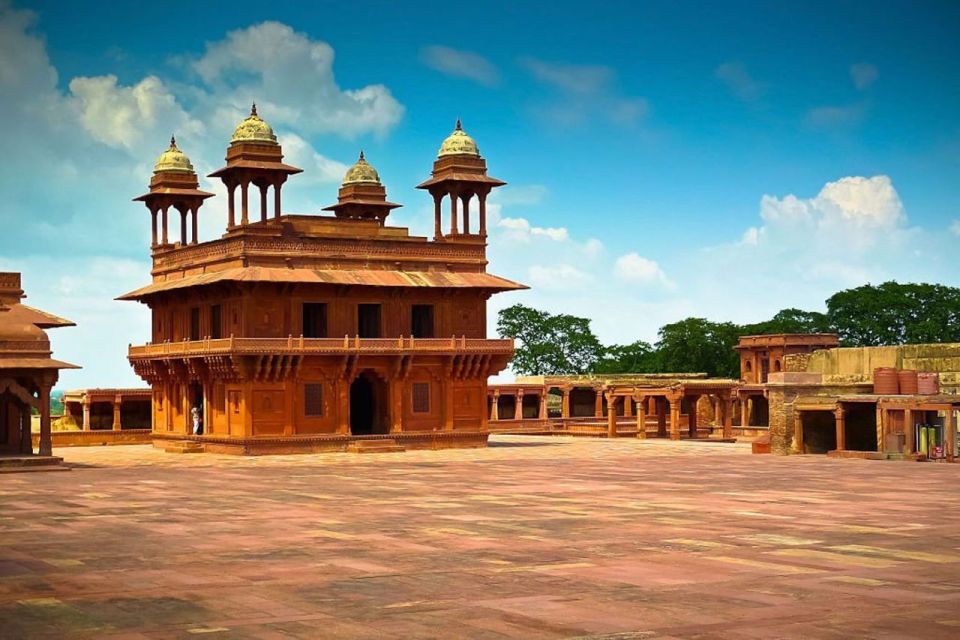
You also get an extra stop on the way: Fatehpur Sikri, the dream capital of Mughal emperor Akbar. Even if you only see a portion of it, it’s a fascinating contrast to what you just saw in Agra. The Taj Mahal is all about white marble and symmetry. Fatehpur Sikri is about a broader imperial statement—city-scale and purpose-built.
Then you arrive in Jaipur in the evening, check in, and rest. This is the kind of day where your comfort and pacing matter, because you’re stacking major landmarks on both sides of the sunrise.
Jaipur day: Amber Fort first, then the city’s signature stops
Jaipur is where you’ll see Rajasthan’s palace-and-fort style in full. The day starts after breakfast, and the itinerary focuses on the essentials without drifting into too many side streets.
Key sights include:
- Amber Fort
- City Palace
- Jantar Mantar (the astronomical instruments)
- Hawa Mahal (Wind Palace)
- Jal Mahal (Water Palace)
Amber Fort is the headline. It’s not just pretty from the outside—it’s a complex fort-palace with layered views and lots of places to look up and walk around. If you’re going at the right time of day, it’s also easier to enjoy the details without overheating.
From there, you shift into the more “stop-and-see” highlights of central Jaipur. City Palace gives you the royal center and architecture. Jantar Mantar adds the science side—the astronomical geometry that looks almost like outdoor sculpture when you’re standing there. Hawa Mahal is instantly recognizable from photos, and seeing it in person helps you understand why it mattered for ventilation and design. Jal Mahal is a more distant view, but it’s still a memorable picture spot, especially when the water and palace align just right.
In the evening, you’ll drive back to Delhi (around 5 hours). Your tour ends with drop-off to the Delhi airport or your Delhi hotel based on your flight schedule.
Driver, car comfort, and the language setup that actually helps
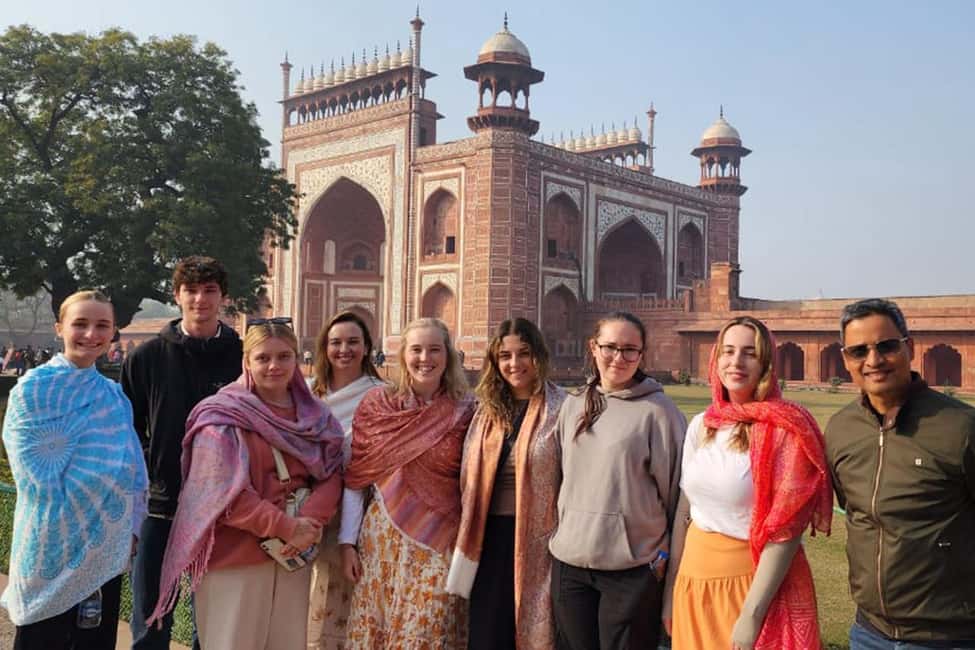
This tour’s biggest practical strength is the private transport. You’re not negotiating with multiple drivers or trying to time rides between distant sights. You have an A/C private car with a driver for the full 3 days.
Two comfort touches show up in the experience: unlimited water and small snacks in the car. That may sound minor, but in a day of forts and walking, it can keep energy steady and prevent the “I’m dehydrated and hangry” problem.
Language is handled with a guide available in English, French, German, or Spanish. The driver can speak English for the duration, which helps if you need to communicate quickly about timing, tickets, or where to wait.
One note from feedback: the quality of guiding can vary. One day-one guide was described as disinterested and not very explanatory. That doesn’t mean your guide will be like that, but it’s worth keeping in mind if you’re the type who wants detailed stories at each stop.





Ticket-line help vs ticket inclusion: plan for extra costs
This trip includes assistance for monument tickets. The guide helps you buy tickets and avoids long queue time. That’s good news because India’s lines can be confusing and slow.
Here’s the catch: monument tickets are not included in the base price (and it wasn’t clear to at least one customer until later). So when you budget for the tour, treat tickets as an extra line item.
If you want to reduce surprises, plan one extra checklist in your head:
- You’ll likely pay monument entry fees on the ground.
- Your guide will help you handle it without wasting time in queues.
It’s a small difference in wording, but it matters for value.
Hotels and the “how comfortable is it?” question
Hotels aren’t described with brand names here, but feedback points to solid choices and good areas. That’s important because you’re arriving late on day one and spending the final evening in Jaipur before the long ride back to Delhi.
The biggest comfort win is timing. If you’re tired at 9 pm in Agra, you want a hotel that feels like a clean reset, not a risky gamble. The reviews for this experience emphasize hotels and a driver that stays on schedule, which is exactly what you want on a short 3-day route.
Pacing and visit length: efficient, not slow
This is where you need to decide what you want from a Golden Triangle trip.
The schedule is built around “see the key sights, then move on.” Reviews flag that visits can feel short—often only half a day per city to cover the main highlights. That means:
- You’ll get the big photos.
- You may not get long explanations everywhere.
- If you’re a slow walker or you stop for extra photography, your time can compress.
If you’re traveling with family or you’re sensitive to heat and long standing, consider building buffer time into your day. Also, focus on what matters most to you. If Taj Mahal is your number one, treat it like the center of your entire itinerary, because it is.
Is $204 per person good value for Delhi–Agra–Jaipur?
For a 3-day, private-group route that includes airport/hotel pickup, an A/C private car, English-speaking driver support, guided time at major sites, and a sunrise Taj Mahal visit, $204 per person can feel like fair value—especially when you factor in that transport is usually the biggest headache in this region.
Where the value can shift for you:
- If you add multiple monuments’ ticket fees, your total spend rises.
- If your guide is especially strong (or especially weak), your enjoyment can swing.
- If you want more time at each stop, you might feel rushed on day one and day two.
Still, for first-timers to the Golden Triangle, this is a clean, structured way to see the essentials without turning the trip into a logistics project.
Who this tour suits best (and who should tweak the plan)
This works well for:
- First-time visitors who want the highlights without planning transport
- People who prefer the simplicity of a private driver and pickup timing
- Travelers who like structured sightseeing with a guide in their language (English/French/German/Spanish)
- Anyone who values sunrise Taj Mahal specifically
You might want a different pace or an add-on if:
- You want long, story-heavy guided time at every stop
- You’re sensitive to short visit lengths or crowds later in the morning
- You don’t want tickets on top of the tour price (because entry fees are likely extra)
Should you book this Delhi–Agra–Jaipur 3-day tour?
If your goal is a fast, high-impact Golden Triangle hit—sunrise Taj Mahal, Amber Fort, and the core Delhi/Agra/Jaipur icons—this tour is a strong fit. The private A/C car, driver reliability, and guided help make it easier than doing it piecemeal.
Just go in with the right expectations: it’s efficient, not slow. Budget for monument tickets, and if you care a lot about guide style, keep an eye on how your first-day guidance feels. If it clicks, you’ll walk away with a very efficient taste of India.
FAQ
What’s included with the private car and driver?
You get an A/C private car with a driver for the 3 days, and the driver can speak English. Pickup and drop-off are included from Delhi airport or any Delhi/Gurgaon/NCR hotel.
Are pickup times arranged based on my flight?
Yes. Pickup is available at any time that fits your schedule, and the tour can end with transfer to the Delhi airport or your Delhi hotel based on your flight.
Does the tour include a sunrise Taj Mahal visit?
Yes. The itinerary includes a Taj Mahal tour at sunrise on day two, which is considered the best time to visit.
Which monuments are visited in Delhi on day one?
Day one includes Humayun Tomb, Qutub Minar, India Gate, President House, and Lotus Temple.
What do we see in Agra and what’s the schedule on day two?
Day two includes Taj Mahal at sunrise, breakfast afterward, Agra Fort, and then a late afternoon drive to Jaipur.
Is Fatehpur Sikri included on the way to Jaipur?
Yes. You can explore Fatehpur Sikri during the transfer from Agra to Jaipur.
What are the main sights in Jaipur on day three?
Day three includes Amber Fort, City Palace, Jantar Mantar, Hawa Mahal, and Jal Mahal.
Are monument tickets included in the tour price?
Monument tickets are not clearly included, and you should expect to pay entry fees. Your guide will help you buy tickets without queuing.
What languages are the live guides?
Live tour guides are available in English, French, German, and Spanish.
How does cancellation and payment flexibility work?
Free cancellation is available up to 24 hours in advance for a full refund. You also have a reserve now & pay later option, with pay nothing today.