REVIEW · MUMBAI
Dhobi Ghat Tour
Book on GetYourGuide →Operated by Mumbai Dream Tours · Bookable on GetYourGuide
Laundry looks different when it’s alive.
A guided walk through Mahalaxmi Dhobi Ghat shows how open-air laundry works in real time, with dhobis washing and ironing clothes for the whole city. I especially love the hand-driven choreography—one person sorts by color and fabric type, another beats out stains, and others hang to dry. I also like the human side: guides such as Havat bring the place to life with stories from a lifetime spent working there.
The main drawback is simple: no photography inside, so plan your pictures around what you’re allowed to shoot. Also, since the tour is short, you’ll want to arrive ready and focused so you don’t miss the busiest parts of the process.
In This Review
- Key things you’ll notice on the Dhobi Ghat tour
- Why Mahalaxmi Dhobi Ghat feels like a working museum, not a set
- Finding the right starting spot at Dhobi Ghat
- The 30-minute walk-through: sorting, beating, and drying
- Boiling water and hospital loads you’ll want to understand
- Charcoal ironing: the finishing step that looks tough on purpose
- Guide impact: Havat and Hardik Tank can change the whole feel
- What about photography when the rule says no inside?
- Price and value: is $11 worth it?
- Who should book this Dhobi Ghat tour
- Should you book the Dhobi Ghat tour?
- FAQ
- FAQ
- How long is the Dhobi Ghat tour?
- What does the tour cost?
- Where does the tour start and end?
- What’s included in the price?
- Is there a photography restriction?
- What language is the guide?
- What time should I start if I want the best experience?
- Where exactly is the meeting point located?
- Can I reserve now and pay later?
- What is the cancellation policy?
Key things you’ll notice on the Dhobi Ghat tour

- Hand-sorting and hand-beating: you’ll watch clothes go through clear steps, not just a single wash routine
- Drying lines full of color: hospital linens and everyday garments create a surprising visual mix
- Separate hospital and infected-clothing sections: boiling and extra handling are part of the system
- Charcoal irons in action: the finishing stage is dramatic and very physical
- Short, guided, and story-led: hosts like Havat and Hardik Tank can make 30 minutes feel meaningful
Why Mahalaxmi Dhobi Ghat feels like a working museum, not a set

Mahalaxmi Dhobi Ghat is famous because it’s still doing the job it was built for. You’re not watching a reenactment. You’re watching a city function, one washing shift at a time. This open-air laundry has been operating for more than a century, and it’s described as the world’s largest open-air laundry.
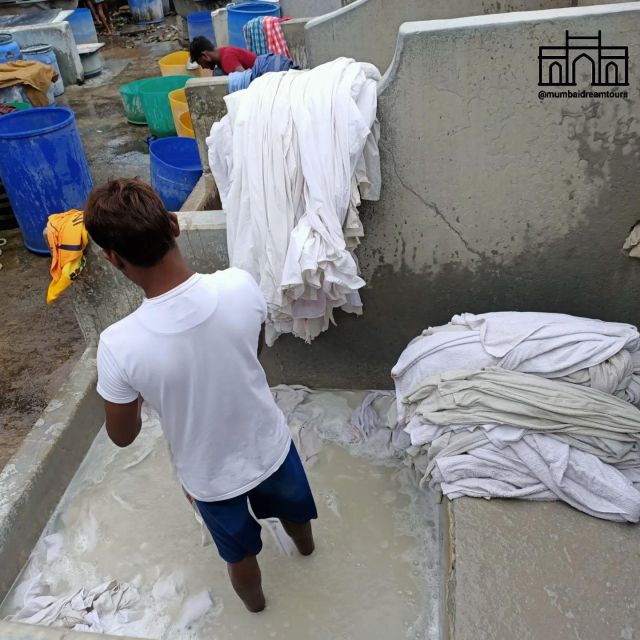
What makes it so interesting is the mix of routine and skill. Clothes arrive in piles from across Mumbai. Then dhobi families move through their roles—washing, rinsing, drying, and ironing—using a system built around people and repetition, not machines.
And yes, there’s an everyday smell: washing soda and other chemicals. There are also water sounds, loud movement, and the constant motion of porters bringing in fresh loads. If you like places where you can see work firsthand, this one is a strong match.
You can also read our reviews of more tours and experiences in Mumbai.


Finding the right starting spot at Dhobi Ghat
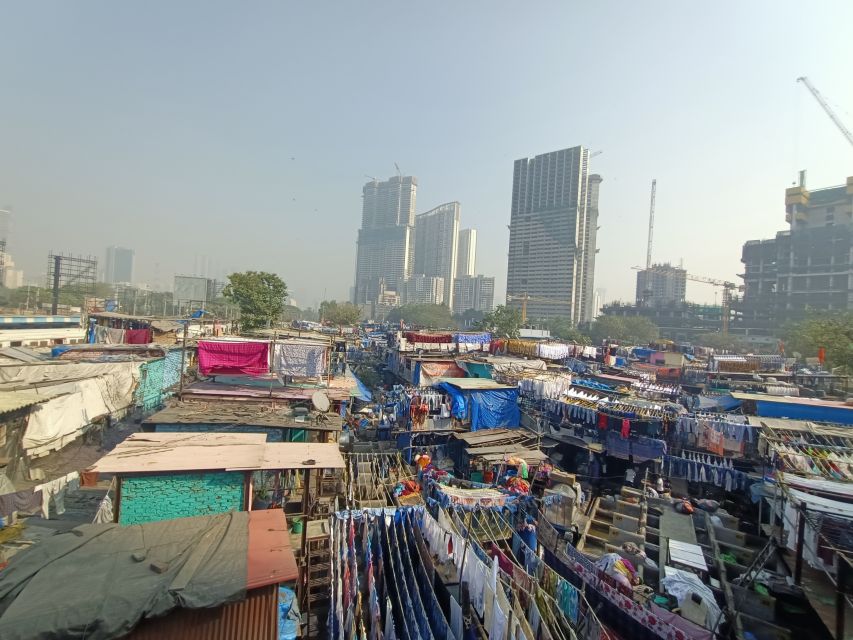
The tour meets at the Dhobi Ghat view point. From there, you get oriented quickly, then step into the flow of the working laundry. Since the experience lasts about 30 minutes, you’ll want to show up on time and not hunt around once the guide starts pointing out details.
The meeting point area is listed at Dhobighat Entrance, 26-40, Anandilal P Marg, Dhobi Ghat, Shanti Nagar, Mahalaxmi, Mumbai 400020. Ending back at the meeting point means you don’t have to navigate back through the laundry maze alone.
Practical tip: go in the morning if you can. 8:00 am is listed as the best time to start, and it matches what you want from a working site—more activity, more movement, more chances to see the different steps happening close together.
The 30-minute walk-through: sorting, beating, and drying

Even in half an hour, you’ll get the main “story arc” of how the laundry works. The guide helps you read what you’re seeing, so it doesn’t feel like chaos. It’s organized chaos, run by families who know the system by heart.
One of the clearest moments is sorting. A dhobi sorts clothes by colors and types, which matters because mixing fabrics and dyes can lead to problems. Nearby, you’ll often see beating and washing at troughs—hands-on work meant to lift stains before the drying stage.
Then comes drying on clotheslines. You’ll see people hanging items carefully, often in long rows that look almost too neat for the loud, busy setting. It’s also where the place becomes more visual for most visitors: sunlit fabric, bright garments, hospital linens, and the constant loading and unloading.
If you like photography, this is the section where colorful clotheslines become your main subject. Just remember: the rules on no photography inside mean you’ll need to follow your guide’s boundaries.
Boiling water and hospital loads you’ll want to understand
One of the most sobering and interesting parts is that Mahalaxmi Dhobi Ghat isn’t only doing everyday laundry. The site has separate sections used to boil water and wash infected clothes from hospitals.
That means the laundry process changes when the incoming loads require extra precautions. You might see different handling steps, and you’ll hear the significance explained by your guide. For me, this is where the tour becomes more than sightseeing. It turns into a lesson on how large cities manage hygiene behind the scenes.
It’s also a reminder that laundry is often invisible until you see the full workflow. Hospitals, hotels, and other institutions rely on systems like this, and dhobi families are part of that chain.
Charcoal ironing: the finishing step that looks tough on purpose

The last stage is where the laundry goes from clean to crisp. You’ll learn about ironing using bulky charcoal irons. This isn’t a quick press-and-go. It’s a heavy, hands-on task that requires strength and patience.
In a place like Dhobi Ghat, ironing also tells you something about timing. While washed clothes are being finished, fresh dirty piles keep arriving. That steady rhythm means the work is never “paused” for your visit. You’re dropping in during one moment of a continuous production line.
You might also notice how clothes get moved around. Porters bring loads in and out using cycles and handcarts, and the motion keeps the whole site moving even while multiple families handle their own tasks.





Guide impact: Havat and Hardik Tank can change the whole feel

The quality of the guide matters here. Your tour includes an English-speaking guide, and good ones do two jobs at once: they show you what’s happening and they help you connect the details to real life.
In particular, names like Havat and Hardik Tank come up in the experience. Havat is described as a real character with humor and deep familiarity with the work—someone who has lived and worked at Dhobi Ghat for life. Hardik Tank is described as gentle, helpful, and well-prepared even though he’s young.
What this means for you: don’t treat the tour as a checklist. If your guide offers a short story about why families do things a certain way, listen. Those bits make the manual processes feel meaningful, not just visually impressive.
Tea is also included, which helps turn the end of the walk into a calm moment rather than a rushed exit.
What about photography when the rule says no inside?

The experience includes a clear restriction: photography inside is not allowed. That affects how you plan your time and what you can capture.
Here’s how I’d handle it:
- Save your main shots for the allowed viewpoints and the outdoor areas where you’re not violating the rule
- Focus on people’s actions rather than trying to frame every line of fabric
- Be ready for less “clean photo time” than you might expect at other city attractions
Dhobi Ghat is visually colorful, but your best move is to shoot the big moments outside any restricted areas and let your eyes do the rest inside. If you’re going to remember anything, it should be the sequence: sorting → beating → hanging → ironing.
Price and value: is $11 worth it?

At $11 per person, this tour is positioned as a short, focused introduction to Mahalaxmi Dhobi Ghat. You get entry tickets, an English-speaking guide, and tea—so you’re paying for more than a look from outside.
Because the tour is about 30 minutes, the value depends on your goal. If you want a quick, structured way to understand what you’re seeing (and what to look for), it’s excellent value. You also avoid the guesswork of figuring out what’s important in a working site.
A fair consideration: some visits may feel shorter than the headline time you expect. Since the experience is time-limited, arriving at 8:00 am (when listed as best) helps you get more action per minute.
Who should book this Dhobi Ghat tour

This tour fits best if you:
- Like culture and daily-life experiences that don’t feel staged
- Want to understand how a major city handles washing at scale
- Appreciate short tours with a guide who explains the steps, not just the location
You might want to reconsider if you:
- Strongly prefer to take lots of photos inside (the rule limits that)
- Are sensitive to strong smells, loud work sounds, or a wet, active environment
Also, if you enjoy chatting with people, this place can be memorable. The work draws families into daily routines, and your guide may even connect you with moments like games with kids there—small things that make the site feel human, not industrial.
Should you book the Dhobi Ghat tour?
If you want a fast, guided way to see Mumbai’s washing world up close, I think this is a smart buy. $11 is low for an English guide plus entry plus tea, and the manual steps—sorting by color, beating stains, drying in long rows, and finishing with charcoal ironing—give you real substance in a short visit.
Book it if your main goal is understanding. Skip or adjust expectations if your main goal is photography or a long, unhurried wander.
FAQ
FAQ
How long is the Dhobi Ghat tour?
It’s approximately 30 minutes.
What does the tour cost?
The price is listed as $11 per person.
Where does the tour start and end?
The guide meets you at the view point of Dhobi Ghat, and the activity ends back at the meeting point.
What’s included in the price?
Entry tickets, an English-speaking guide, and tea are included.
Is there a photography restriction?
Yes. Photography inside is not allowed.
What language is the guide?
The tour language is English.
What time should I start if I want the best experience?
Morning at 8:00 am is listed as the best time to start.
Where exactly is the meeting point located?
The listed meeting point is Dhobighat Entrance, 26-40, Anandilal P Marg, Dhobi Ghat, Shanti Nagar, mahalaxmi, Mumbai, Maharashtra 400020.
Can I reserve now and pay later?
Yes. The tour offers reserve & pay later, where you can book your spot and pay nothing today.
What is the cancellation policy?
Cancel up to 24 hours in advance for a full refund.