REVIEW · JODHPUR
Jodhpur Bishnoi Village Safari Half Day Tour
Book on GetYourGuide →Operated by Jodhpur Blue City Walk Experience · Bookable on GetYourGuide
Desert villages feel different, fast. This half-day Bishnoi safari packs wildlife spotting and village stories into about 3 hours, with an English-speaking guide. I love the chance to watch for black buck and other desert animals, and I also enjoy learning the Khejri tree story tied to Khejarla/Khejarli. The main watch-out: some stops can feel a bit touristy, with more time spent on selling than you’d hope.
Hotel pickup keeps the logistics painless, and the private setup lets you ask questions without a crowd steamrolling the conversation. If you pick a morning slot, the villages can feel calmer, which helps you pay attention to daily life and not just check off photo stops.
In This Review
- Key highlights you’ll actually feel on the ground
- A 3-hour Bishnoi safari that fits real Jodhpur time
- Guda Bishnoiyan: wildlife hopes by the Guda Pond
- Khejarla/Khejarli and the Khejri tree story of 363 Bishnois
- Salawas durry rugs: cotton, wool, and daily craft logic
- Kankani pottery: seeing how it’s made, then trying it
- Private transport, an English guide, and the art of managing sales stops
- Price and value: is $16 for three hours a fair deal?
- Who should book this safari (and who might skip it)
- Should you book the Jodhpur Bishnoi Village Safari Half Day Tour?
- FAQ
- How long is the Jodhpur Bishnoi Village Safari?
- How much does it cost?
- Where do pickup and drop-off happen?
- Is this a private tour or a shared group?
- What language is the tour guide?
- Which villages are part of the tour?
- What wildlife might I see during the safari?
- What craft demonstrations are included?
- Is food or dinner included?
- Is there a shopping or warehouse stop?
- When can I cancel for a full refund?
Key highlights you’ll actually feel on the ground
- Desert wildlife odds in a short time near ponds and open areas, with a real focus on species like black buck and chinkara
- Bishnoi villages guided end-to-end, with context on how people live and why certain places matter
- Khejarla/Khejarli’s Khejri tree legend: the story of 363 Bishnois who died protecting the tree
- Salawas durry weaving: learn how cotton or wool rugs are made, then see the results up close
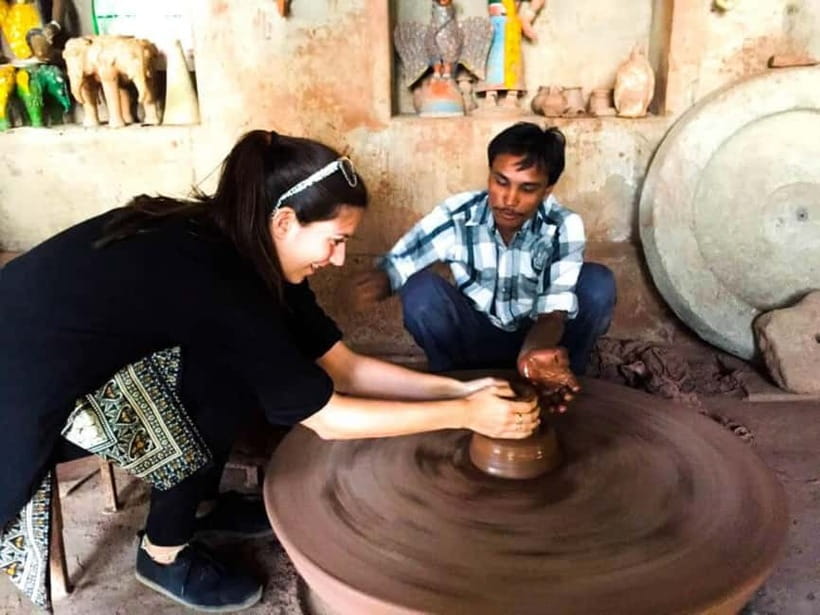
- Kankani pottery workshop: a hands-on pottery demonstration you can try
- A potential sales stop on the way back, so decide your budget and your boundaries early
A 3-hour Bishnoi safari that fits real Jodhpur time
This is the kind of half-day tour that makes sense when you’re only in Jodhpur for a couple days. You’re out for roughly 3 hours, and everything is timed around getting you from village to village with minimal hassle. The big win is that round-trip hotel pickup and drop-off are included, so you don’t burn time figuring out transport.
You also get a private vehicle and an English-speaking driver plus guide. That combo matters here because the tour isn’t just sightseeing; it’s storytelling and demonstrations. You want the guide to translate the meaning behind the crafts and the conservation-focused village life. When you’re dealing with local terms, family traditions, and village history, language support is what turns a quick tour into something you’ll remember.
One more practical note: because it’s short, you’ll want to keep expectations flexible. You’re not going to see every detail of the region in three hours. Instead, you’ll get a focused “taste”—wildlife hopes, one conservation legend, and two artisan traditions.
You can also read our reviews of more tours and experiences in Jodhpur


Guda Bishnoiyan: wildlife hopes by the Guda Pond
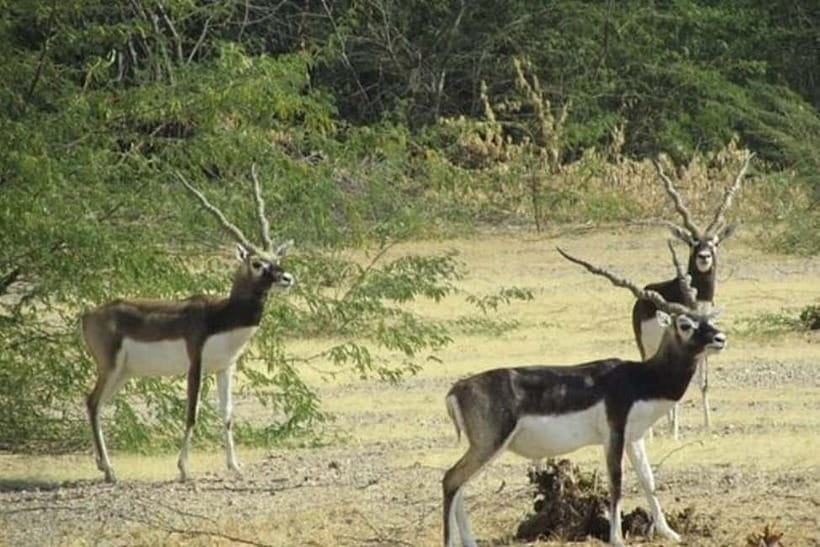
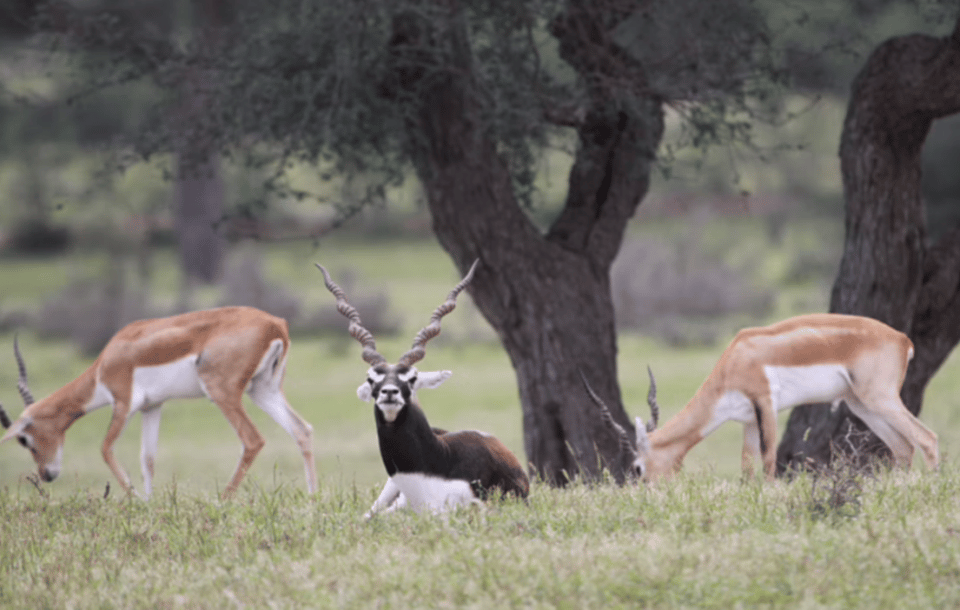
Guda Bishnoiyan is where the safari side of the day kicks in. The tour heads to the Bishnoi village area where you can look for desert wildlife, with a list that’s specific enough to guide your attention: black buck, chinkara, blue bulls, desert foxes, partridges, and even peacock.
Even if sightings aren’t guaranteed, this stop is valuable because it teaches you what to watch for. You’re not just walking around taking general photos; you’re looking for signs, movements, and habitats tied to the Bishnoi way of thinking about land and animals.
The standout natural feature here is the Guda Pond area, which the tour frames as a viewing point for migratory Demoiselle cranes. If your timing lines up with crane season, you’re in for a really different kind of wildlife moment—more “bird-life drama” than dry-land sprinting.
Why this stop is worth your time:
- It mixes conservation context with actual nature viewing
- It gives you a clear “what to look for” checklist
- The pond area adds a seasonal wildlife angle that other village stops don’t have
The only drawback is also the most obvious: it’s still outdoors, and wildlife spotting always has uncertainty. The tour is best if you like the act of searching, not if you need guaranteed animal photos.
Khejarla/Khejarli and the Khejri tree story of 363 Bishnois
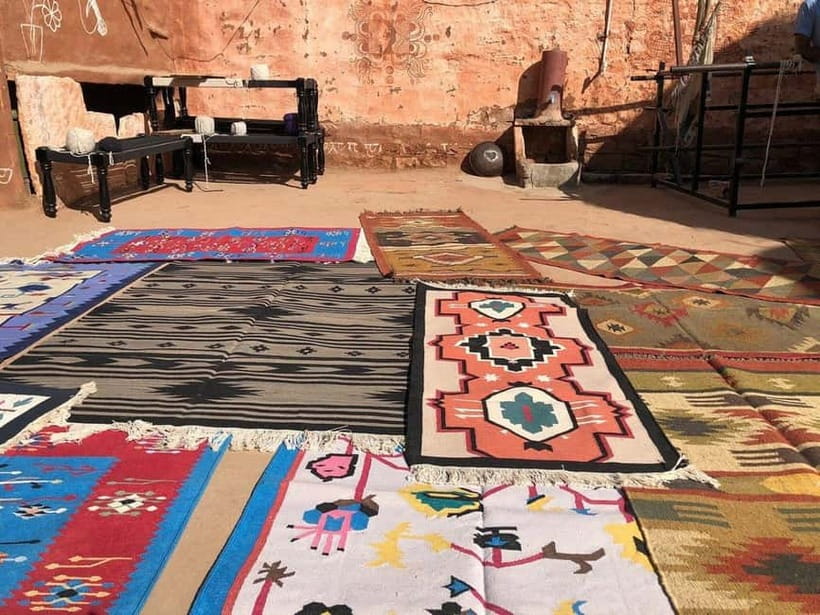
Next comes Khejarla/Khejarli, about 30 km from the city of Jodhpur. This is the part of the tour where the meaning behind the Bishnoi conservation mindset becomes hard to ignore.
The tour connects the area’s identity to the Khejri trees (often linked with the name Khejri). You’ll hear the core story: long ago, 363 Bishnois died protecting the Khejri tree. The Khejri tree is also designated as a State Tree of Rajasthan, which adds weight to the legend and helps explain why locals treat these trees as more than scenery.
This is one of the best stops for two reasons. First, it turns an abstract idea—protecting nature—into a specific human story you can actually picture. Second, it helps you understand why the tour’s wildlife list doesn’t feel random. It’s part of the same conservation thread.
What to keep in mind:
- This segment is more about history and values than hands-on activity
- If you’re short on patience for stories, keep your curiosity switched on anyway; it makes later stops click
If you’re traveling with kids or friends who like emotional history, this is often the moment that makes the tour feel real rather than staged.
Salawas durry rugs: cotton, wool, and daily craft logic
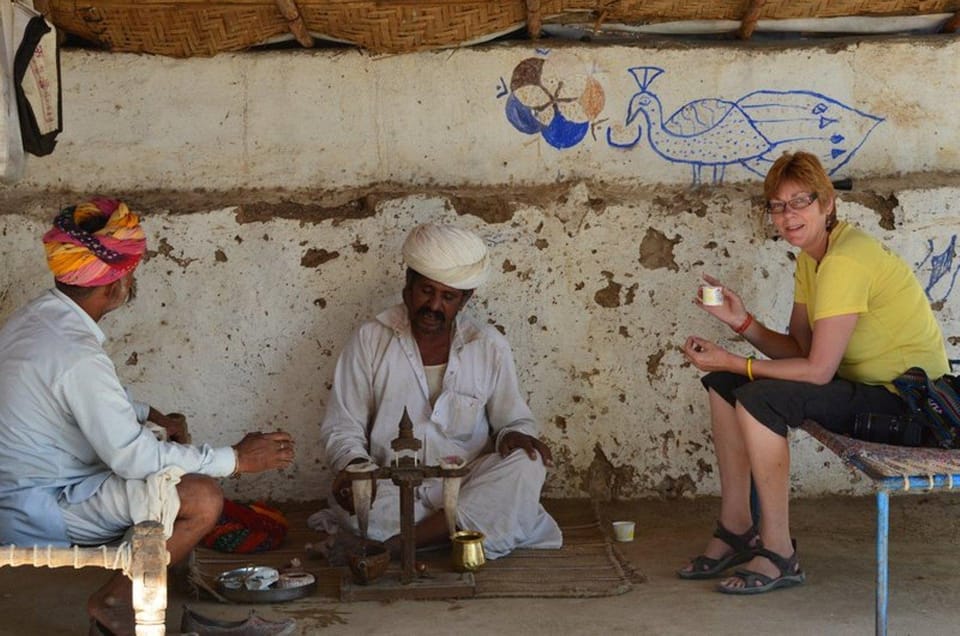
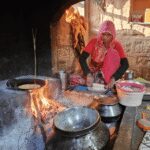
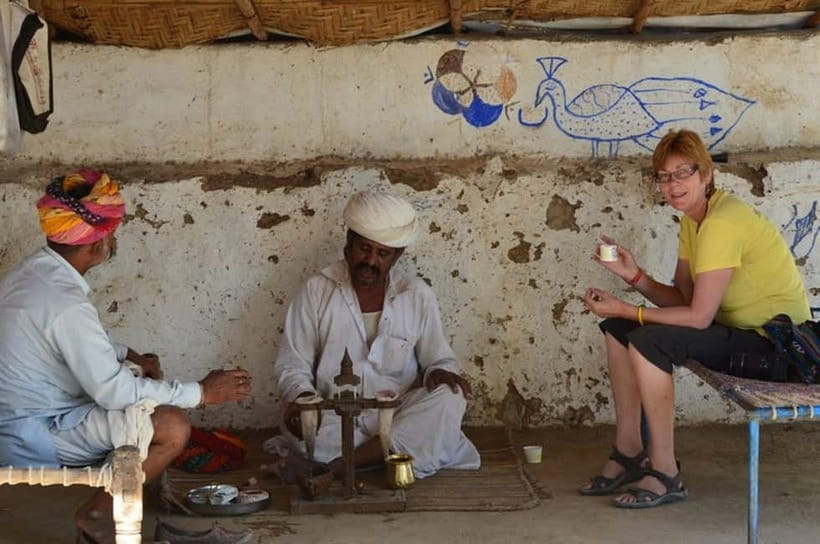
Salawas is famous for rugs made by local craftsmen, especially the durry—woven rugs that can be made from cotton or wool. This stop is less about “watch a guy do a trick” and more about understanding how a craft becomes everyday life.
You’ll likely see how the weaving process connects to local heritage: the tradition isn’t just about making something pretty. It’s about technique, materials, and passing skills through generations. When the tour explains how the rug ends up with its colorful patterns, you start seeing the craft as practical art—something that belongs in homes, not just showrooms.
One extra layer you might hear in this region is related cultural storytelling—details like the significance of turban colours and other everyday identity cues. That kind of explanation can make the crafts feel anchored in human life instead of museum displays.
The durry stop is also where the tour’s timing and energy can change depending on your guide and the local flow. If it’s a quieter morning, you may get more back-and-forth questions while people are working. If it’s busier, the vibe can shift toward faster demonstrations.
And here’s the honest trade-off: craft stops can sometimes lead toward sales. One person’s “interesting explanation” can become another person’s “hard sell” depending on how firm you are. I’d treat this as a chance to look closely and learn, then decide later if you truly want to buy.
Kankani pottery: seeing how it’s made, then trying it
Kankani is where the tour gets hands-on. The village is known for pottery, and you’ll see a demonstration of how people do it there—then you may get a chance to participate.
This is a great half-day choice because pottery is tactile learning. You don’t just hear about tradition; you see the stages of shaping and crafting. For many visitors, this becomes the most memorable part because your hands are involved, even briefly.
If you’re the type who likes crafts but doesn’t want a full workshop day, this fits perfectly. Three hours doesn’t allow for long practice sessions, but it can still give you a feel for the craft process and the effort behind what you might buy later.
One practical expectation: pottery demos can be messy and time-sensitive. Wear comfortable clothing and be ready for dust or small spills. Even when you don’t plan to buy anything, it’s worth approaching the demo with a hands-on mindset rather than a quick-photo mindset.


Private transport, an English guide, and the art of managing sales stops
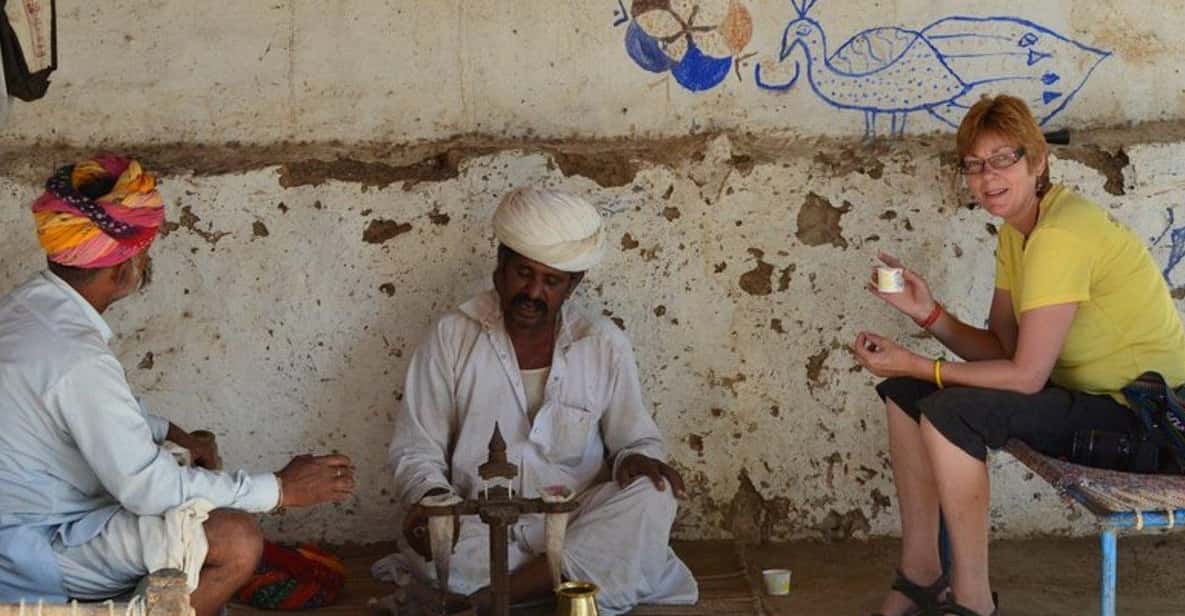
The tour includes hotel/airport/station pickup and drop-off in Jodhpur, plus transport by a private vehicle. That means no wrestling with rickshaws or guessing routes. It also means the timing is easier to control—your guide can keep the group moving between villages without long gaps.
The tour is also led in English. In one run, the guide was Devi, and the difference a good guide makes here is huge. A strong guide doesn’t just translate words. They explain why certain things matter, point out what to notice, and help you connect village life with the conservation stories.
Now, the tricky part: some tours in this style can include stops that feel like sales detours. One experience included an extra stop at an export warehouse on the way back. If you’re not interested, don’t soft-pedal it. A firm no early helps. You’ll get more value out of your time by keeping focus on the villages and crafts themselves.
Also, etiquette matters in village tourism. It’s polite to tip villagers, and even a small amount can go a long way in showing respect for the time and access you’re receiving. If tipping makes you uncomfortable, factor it into your budget so you’re not deciding on the spot.
Price and value: is $16 for three hours a fair deal?
At about $16 per person for roughly 3 hours, this tour is priced like a budget-friendly option. The value isn’t just the sticker price—it’s what you get inside it: private transport, English-speaking guide and driver, and round-trip pickups with taxes and fuel included.
For that money, you’re basically paying for:
- Transport that saves you time and effort
- A guide who can explain what you’re seeing
- A route through multiple villages, not just one stop
So when is the value high? When you go in with realistic expectations:
- Treat it as a “tasting menu” of Bishnoi village life
- Let the wildlife and heritage context guide your attention
- Be ready to politely say no if shopping stops start taking over
When does it feel less worth it? If you’re hoping for fully lived-in village scenes without any setup. One visitor felt certain homes didn’t reflect everyday living and leaned toward tourism. That’s not a universal guarantee for every run, but it’s a clear signal: expect a guided experience with some degree of staging, and decide what you’re comfortable with.
My practical take: at $16, you’re not buying a luxury day. You’re buying access and explanations. If you want zero sales energy and perfectly authentic-by-default moments, you may find this style frustrating.
Who should book this safari (and who might skip it)
This tour suits you if:
- You want a short, structured trip with hotel pickup and village focus
- You like wildlife odds paired with cultural storytelling
- You’re interested in hands-on craft moments like pottery and watching durry rug weaving
- You’re okay with politely managing shopping pressure
You might skip it if:
- You need guaranteed wildlife sightings
- You dislike sales-driven detours enough that you’d rather go independently
- You’re very sensitive to staged experiences and prefer village life you can observe without a tour narrative
Best fit travelers:
- First-time visitors to the Bishnoi village areas
- People who like history-through-stories, especially the Khejri tree legend
- Anyone who wants a half-day activity that doesn’t drain the day
Should you book the Jodhpur Bishnoi Village Safari Half Day Tour?
I’d book it if you want a compact, guided route that mixes nature viewing chances, a meaningful conservation story, and two craft traditions. The price-to-inclusions ratio is strong, and the English guide format helps you get real context rather than just snapshots.
I would not book it if your top priority is avoiding any hint of sales. There can be pressure at some points—sometimes through warehouse stops and sometimes through craft purchasing moments. If you do book, go in mentally prepared: enjoy the explanations, be polite, then be firm about boundaries.
If you want the most relaxed experience, consider a morning departure. When villages are quieter, the tour feels less like a rush and more like a conversation with the place.
FAQ
How long is the Jodhpur Bishnoi Village Safari?
It lasts about 3 hours.
How much does it cost?
It’s listed at $16 per person.
Where do pickup and drop-off happen?
Pickup and drop-off are included in Jodhpur (hotel, airport, or station).
Is this a private tour or a shared group?
It’s a private group tour.
What language is the tour guide?
The tour is conducted in English.
Which villages are part of the tour?
The tour includes Guda Bishnoiyan, Khejarla/Khejarli, Salawas, and Kankani.
What wildlife might I see during the safari?
You can look for black buck, chinkara, blue bulls, desert foxes, partridges, and peacock. The Guda Pond area is also described as a place to view migratory Demoiselle cranes.
What craft demonstrations are included?
You’ll see rug weaving (durry) in Salawas and a pottery demonstration in Kankani, with help provided for doing it as well.
Is food or dinner included?
No. Food and drinks and dinner are not included unless specified.
Is there a shopping or warehouse stop?
There can be a stop at an export warehouse on the way back, and you can decline if you’re not interested in buying.
When can I cancel for a full refund?
You can cancel up to 24 hours in advance for a full refund.