REVIEW · VARANASI
From Varanasi: A Full-Day Tour of Varanasi’s Spiritual Heart
Book on GetYourGuide →Operated by Amman Travels By Amman Hospitality · Bookable on GetYourGuide
One sunrise later, Varanasi feels different. The day is built around the Ganges—temples, ghats, and ceremonies—then it expands to Sarnath and art at BHU. I like the balance of major spiritual stops plus grounded cultural context, and I also like that you get a private guide + chauffeur so the schedule doesn’t fall apart. One thing to consider: the most emotional moments (especially Manikarnika Ghat) and the extra paid add-ons (like the boat ride) aren’t for everyone.
If you want two things that really make this worth it, they’re the morning Ganges time and the Ganga Aarti at Dashashwamedh Ghat. The sunrise boat window sets your mood fast, and the evening ceremony is the kind of moment that makes Varanasi feel like more than a checklist. Also, the guide helps connect the why behind what you’re seeing, not just the where.
The biggest drawback is that a few parts can be “own-cost” or flexible in practice. The boat ride is not included, temple entry tickets aren’t included, and the market-style stop can vary in what you actually see—so go in with clear expectations and ask ahead about what costs extra.
In This Review
- Key Highlights You’ll Actually Feel in Your Day
- Why Varanasi’s Morning Flow Sets the Tone
- The Sunrise Ganges Boat Ride (Own Cost): Make It Clear Before You Go
- Kashi Vishwanath Temple: Lord Shiva’s Pilgrimage Core
- Dashashwamedh Ghat in Daylight: Priests, Pilgrims, and Everyday Faith
- Manikarnika Ghat: The Hard Part You Should Know About
- Sarnath Excursion: Buddha’s First Sermon, Plus Ancient Ruins
- BHU and Bharat Kala Bhavan Museum: Art and Artifacts with a Different Pace
- Lunch, Alamgir Mosque, and Local Shopping Near Vishwanath Gali
- Evening Ganga Aarti at Dashashwamedh Ghat: The Moment That Sums Up the Day
- Private Driver, AC Sedan, and a Real Human Guide
- Price and Value: What $38 Covers (and What You’ll Still Pay)
- Who Should Book This Full-Day Spiritual Heart Tour?
- Should You Book This Tour?
- FAQ
- What’s the duration of this tour?
- Where can you be picked up and dropped off in Varanasi?
- Is the sunrise boat ride included in the price?
- Are temple and monument entry tickets included?
- Do I get a private guide and driver?
- What languages are available for the live guide?
Key Highlights You’ll Actually Feel in Your Day
- Sunrise on the Ganges: quiet rituals and a calm start before the crowds ramp up.
- Kashi Vishwanath Temple visit: one of India’s most important Shiva pilgrimage complexes.
- Dashashwamedh + Manikarnika Ghats: prayer energy one moment, cremation reality the next.
- Sarnath excursion: Dhamek Stupa and Buddhist ruins tied to Buddha’s first sermon.
- BHU + Bharat Kala Bhavan Museum: art and artifacts stop that adds depth beyond religion alone.
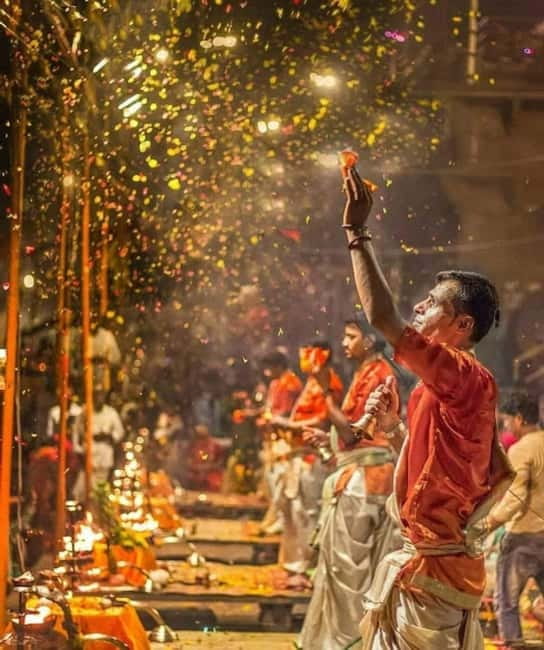
- Ganga Aarti: synchronized chants and fire offerings at the end of the day.
Why Varanasi’s Morning Flow Sets the Tone
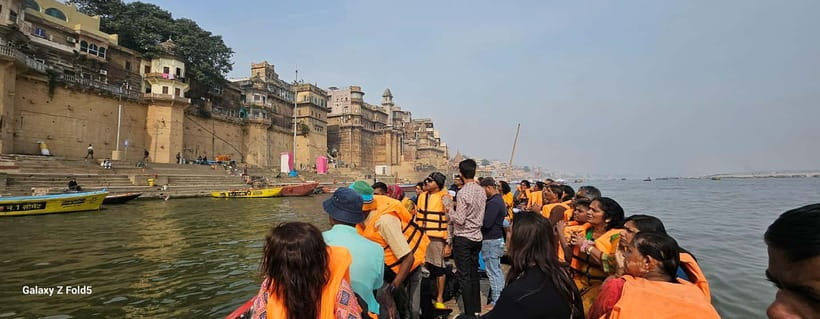
This tour is designed for an early start because Varanasi’s river life changes hour by hour. In the early morning, the city feels less like a destination and more like a living ritual space where people come to pray, bathe, and start the day with the Ganges in the background.
You’ll be picked up from Varanasi railway station or the airport (Lal Bahadur Shastri International Airport) or from another site in town, depending on your option. That matters because mornings in Varanasi can move quickly—get out on time and you see more than you would if you were trying to figure out transport yourself.
You can also read our reviews of more tours and experiences in Varanasi.

The Sunrise Ganges Boat Ride (Own Cost): Make It Clear Before You Go
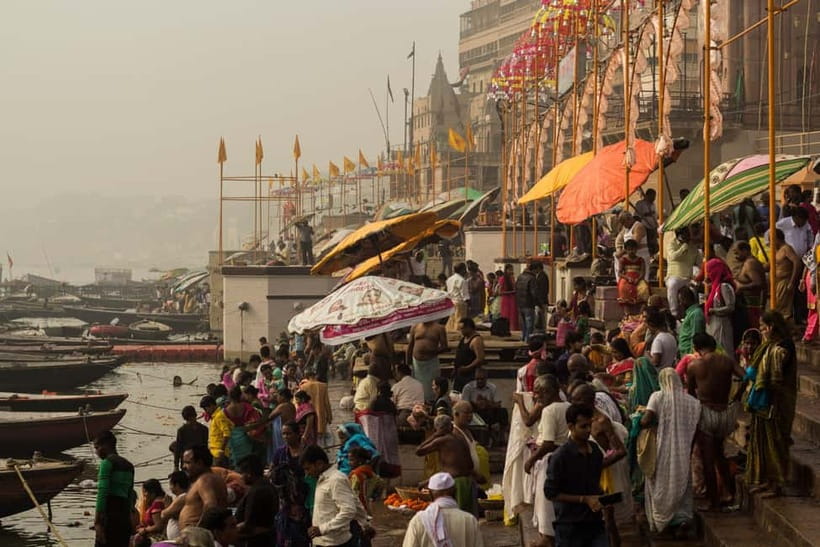
The schedule includes a sunrise boat ride option on the Ganges, guided as part of the morning plan. The key detail: the boat ride is not included, so you should confirm the price and arrangement before you step on the boat.
What you’re likely to experience is the river at dawn—soft light, morning prayers, and a gentler view of the ghats before the day becomes busy. If you’re sensitive to heat, early hours can be a gift. If you’re prone to motion sickness, you’ll want to be smart about your boat comfort and timing.
Also, don’t assume the boat price is automatically obvious. One of the most practical lessons from past experiences with this kind of tour format is simple: ask the cost upfront and get it confirmed through your guide.
Kashi Vishwanath Temple: Lord Shiva’s Pilgrimage Core
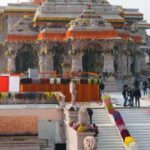
After the river time, you head to Shri Kashi Vishwanath Temple, dedicated to Lord Shiva. This stop is about reverence and ritual atmosphere as much as it is about architecture.
You’ll have a guided visit (about an hour) through the temple complex, which helps because Varanasi temples aren’t just “look and go.” There are crowds, rules, and a rhythm of people moving with purpose. A guide also helps you understand what you’re looking at so you’re not stuck guessing.
Practical tip: dress appropriately and plan for close contact with the flow of worshippers. You’ll be given guidance, but bringing what’s listed—comfortable shoes and a headscarf—sets you up to move without stress.
Dashashwamedh Ghat in Daylight: Priests, Pilgrims, and Everyday Faith
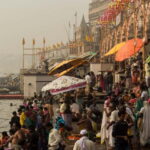
Dashashwamedh Ghat is one of the best places in Varanasi to understand how public faith works. In daylight, you see the “work” behind the spiritual scene: people preparing, chanting, moving with routine, and gathering for what will happen later in the day.
Your guided time here is shorter, but it’s placed so you get a sense of the energy before evening. Expect views of the ghats, activity along the riverfront, and a lot to watch—prayer gestures, offerings, and small interactions that make the whole place feel real rather than staged.
And yes, this is one of the most photographable parts of the day. Still, keep your camera use respectful—don’t block people mid-ritual.
Manikarnika Ghat: The Hard Part You Should Know About
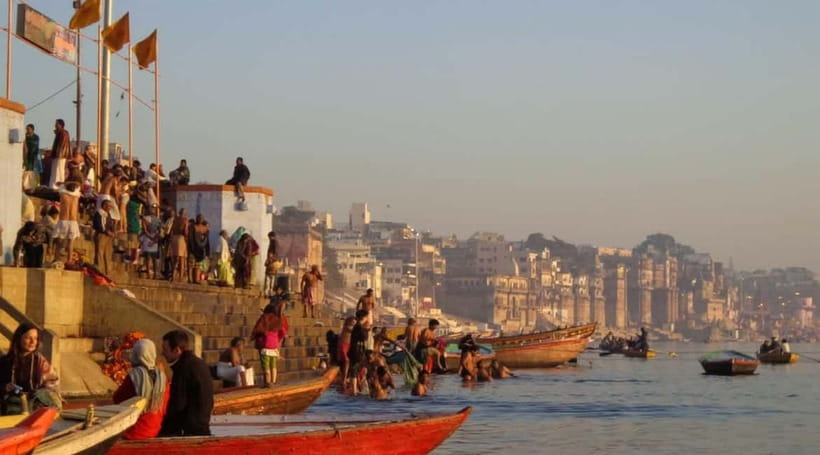
Then comes Manikarnika Ghat, known for cremation rituals. This isn’t a “tourist sight” in the usual sense—it’s a place where life, death, and belief intersect in a way many visitors find intense.
The guide portion is about an hour, with time to understand what you’re seeing and where you should be physically and emotionally. If you’re uncomfortable with death-related customs, this may be the moment that tests your expectations.
If you do go, go with respect and patience. Stand where your guide suggests, keep your movements quiet, and remember that your role is to witness—not to interfere.


Sarnath Excursion: Buddha’s First Sermon, Plus Ancient Ruins
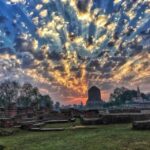
After the ghats, you’ll head to Sarnath, the place associated with Buddha’s first sermon after enlightenment. This is a different emotional tone from Varanasi: more reflective, more archaeological, and often easier to process if you need a mental reset.
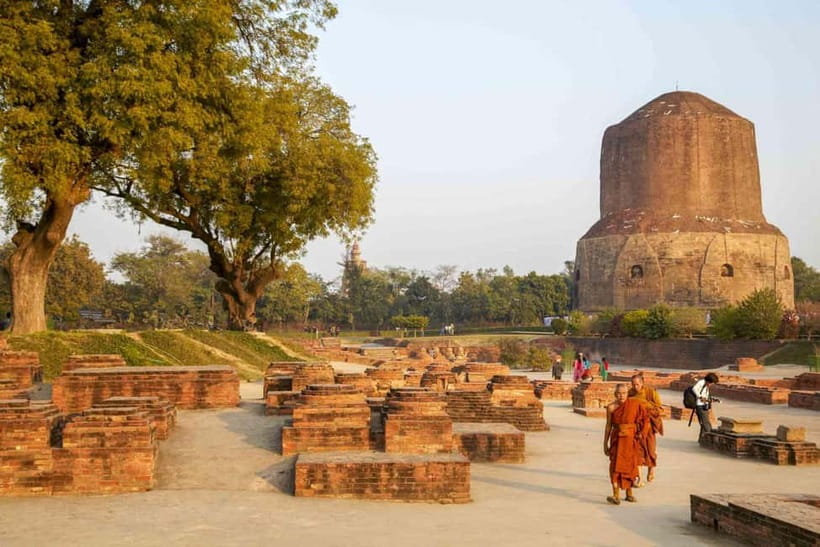
Your guided visit includes highlights like the Dhamek Stupa and the Sarnath Archaeological Museum, plus time for other ancient Buddhist ruins. What makes this valuable is contrast. You see Varanasi’s living religious world on the ghats, then you move to a site that preserves earlier Buddhist meaning in stone and museum displays.
If you’re the kind of person who likes context, this is where the day starts to feel like a bigger story.
BHU and Bharat Kala Bhavan Museum: Art and Artifacts with a Different Pace
Next up is Banaras Hindu University (BHU) and the Bharat Kala Bhavan Museum. This is a welcome change of pace because it’s not only about rituals. It’s about culture—art, sculptures, and historical artifacts presented in a way that can broaden what you think Varanasi is.
Your guided time here helps you connect the dots between religion, learning, and the region’s artistic output. Even if you’re not a museum person, this stop can make the day feel less repetitive because it gives you objects you can study calmly instead of scenes that happen to you in crowds.
If you get overwhelmed by intense spiritual imagery, this is a great “breather stop” built into the itinerary.
Lunch, Alamgir Mosque, and Local Shopping Near Vishwanath Gali
You’ll stop for food in the middle of the day. Breakfast is described as optional, and lunch is planned at a local restaurant with typical Varanasi picks like chaat, kachori, and lassi. Keep expectations realistic: this isn’t five-star dining, but it’s meant to be local and practical for a full day.
Then you’ll visit Alamgir Mosque, an iconic Mughal structure with views toward the Ganges. This is a smart addition because it shifts the focus from temple ritual to Islamic architecture and the way different faiths shaped the city.
Finally, there’s time for local markets around Vishwanath Gali and Chowk where you can look for silk sarees, handicrafts, and spiritual souvenirs. One practical note: in cases where market stops feel more like a curated textile stop (like silk-focused shops), don’t assume you’ll see street-market stalls the entire time. Either way, it’s still useful if you want something made locally—just decide in advance whether you’re there to browse or buy.
Evening Ganga Aarti at Dashashwamedh Ghat: The Moment That Sums Up the Day
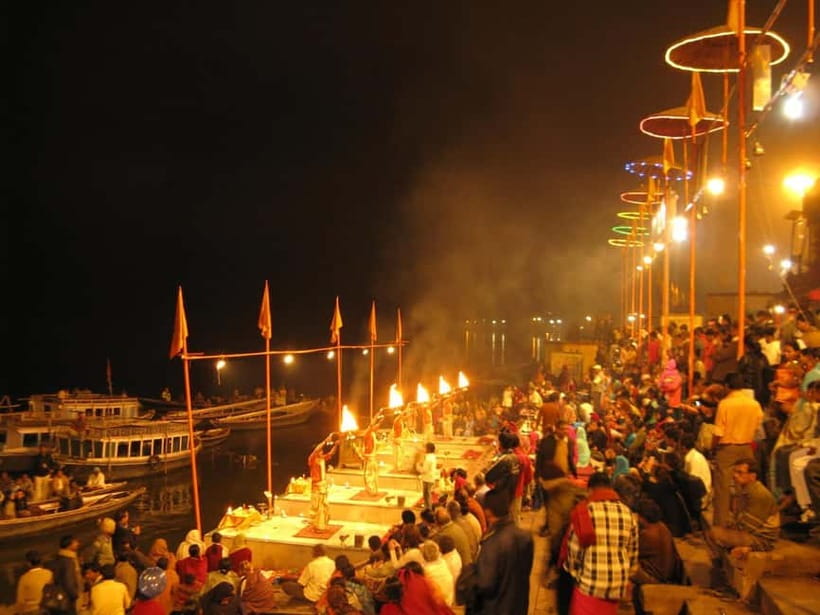
The tour finishes with Ganga Aarti at Dashashwamedh Ghat. This is why a sunrise start matters: you spend the day learning the river’s spiritual role, then you watch the organized ceremony when night settles in.
Expect synchronized prayers, chants, and fire offerings. The experience is powerful because it’s structured—people know exactly what happens and when, and you’re not just standing near something; you’re witnessing a performance of faith that many locals participate in.
Go with warm layers if you run cold at night. You’ll be there for long enough that comfort matters.
Private Driver, AC Sedan, and a Real Human Guide
This tour is private, and that changes how the day feels. A private vehicle (AC sedan/SUV/tempo traveler/bus depending on your group size) plus a chauffeur means fewer stress points: you’re not negotiating transport between stops, and you’re not getting stranded far from the next location.
Your guide also matters here. Past experiences with this provider point to guides like Kishan and Sunny being praised for strong communication (Kishan for arranging a private Ganga boat setup, Sunny for Spanish guidance). Another guide named Veni has been noted for good guiding but also came with an issue where parts of the plan didn’t match the expected details. The lesson: good guidance can turn a hectic day into something smooth—so ask questions early and confirm the paid add-ons and lunch plan.
You’ll also get mineral bottle water included, and the driver is expected to go as far as permitted by local access rules. That can save you from extra walking in tight lanes.
Price and Value: What $38 Covers (and What You’ll Still Pay)
At $38 per person for a full-day private tour, the value is mostly in the structure: pick-up and drop-off, private vehicle, guide time, and transport logistics. For many visitors, the alternative is cobbling together separate taxis, hiring a guide only for part of the day, and losing precious morning time.
But you should plan for extras because several major items are not included:
- Temple entry tickets
- Boat ride (morning)
- Any e-rickshaw needed for narrow street access to temples/ghats
- Anything you choose to spend personally
- If you decide to take part in rituals or prayers that have an associated cost
So think of the $38 as the framework cost. Your real budget is $38 plus what you opt into for the boat and tickets.
Who Should Book This Full-Day Spiritual Heart Tour?
I think this tour suits you if:
- You’re a first-time visitor to Varanasi and want the key spiritual sequence—river to temple to ghats to ceremony.
- You like guided context, not just photos and movement.
- You want contrast in one day: Varanasi spirituality plus Sarnath and museum/art time at BHU.
It may not suit you if:
- You’re not emotionally comfortable with cremation rituals at Manikarnika Ghat.
- You dislike schedules with optional add-ons and you prefer everything clearly included in advance.
- You want total control over lunch and shopping stops without any mid-day restaurant change.
Should You Book This Tour?
If you want a one-day “best route” through Varanasi’s spiritual center—with smart additions like Sarnath and BHU—it’s a strong choice. The timing (sunrise start + evening Aarti) is the real payoff, and the private setup usually keeps the day from turning into a scramble.
Before you book, do two things to protect your day:
- Confirm the sunrise boat ride cost and make sure it’s decided in advance.
- Ask what the market stop means in practice and whether lunch is a fixed restaurant plan or a flexible recommendation.
If you get a guide who communicates well and helps you set expectations early, this can be a memorable day of contrasts: prayer and philosophy, life and death, river and ruins.
FAQ
What’s the duration of this tour?
It runs for one day, with availability based on starting times.
Where can you be picked up and dropped off in Varanasi?
You can be picked up from any site in Varanasi, including the airport or railway station. Drop-off is also available at the airport or railway station.
Is the sunrise boat ride included in the price?
No. The boat ride is listed as own cost.
Are temple and monument entry tickets included?
No. Monument and temple entry tickets are not included.
Do I get a private guide and driver?
Yes. This is a private tour with pickup/drop, a city tour guide (option depends on language), and a private vehicle for the day.
What languages are available for the live guide?
English, Japanese, Spanish, and Tamil are offered.