REVIEW · MUMBAI
Dharavi Slum Tour & Mumbai Sightseeing
Book on GetYourGuide →Operated by Mystical Mumbai · Bookable on GetYourGuide
Mumbai shocks you in the best way. This 6-hour private tour strings together Dharavi’s street life and Mumbai’s iconic landmarks, so you see how the city really works in a single day. I especially like the English-speaking guide angle—stories come with context, not just facts on a sign—and I like that you get both the famous monuments and the working neighborhoods that most people miss.
One thing to plan for: the Dharavi part is real and intense, and the day’s focus means there’s no lunch included. Also, shorts aren’t allowed, so wear something sensible for walking and heat.
In This Review
- Key things worth clocking before you go
- Why this 6-hour Mumbai mix works so well
- Getting picked up in Friends Colony (and why that matters)
- Gateway of India and the Taj Mahal Palace area
- Marine Drive: quick photos, real city energy
- Chhatrapati Shivaji Maharaj Terminus and Mumbai’s British footprint
- Mani Bhavan, Banganga Tank, and the Jain temple stop
- Dhobi Ghat: the open-air laundry you’ll never forget
- Kamala Nehru Park and the Old Woman’s Shoe viewpoint
- Hanging Gardens near the Tower of Silence
- Dharavi Slum Tour: recycling lanes, Kumbharwada, and community spirit
- Driving around Mumbai’s British heritage belt
- Price and value: what $70 buys you in real terms
- Who this tour suits best (and who might not)
- Practical tips so your day stays comfortable
- Should you book the Dharavi Slum Tour and Mumbai Sightseeing?
- FAQ
- How long is the tour?
- What is the tour price per person?
- Does the tour include hotel pickup?
- Is this a private group tour?
- Is there an English-speaking guide?
- What major sights does the tour cover?
- Is lunch included in the price?
- What’s included in the tour besides the guide?
- Are there any clothing restrictions?
- Can I get a refund if I cancel?
Key things worth clocking before you go
- Hotel pickup and an air-conditioned car to cover a lot without feeling frantic
- Dharavi with a local lens, including the recycling yards and Kumbharwada lanes
- Gateway of India to Taj Mahal Palace views, anchored by guided context
- Dhobi Ghat open-air laundry plus Mani Bhavan for the Gandhi thread
- Kamala Nehru Park skyline views, including the famous Old Woman’s Shoe
- No hidden costs for transport items like tolls, parking, and taxes
Why this 6-hour Mumbai mix works so well
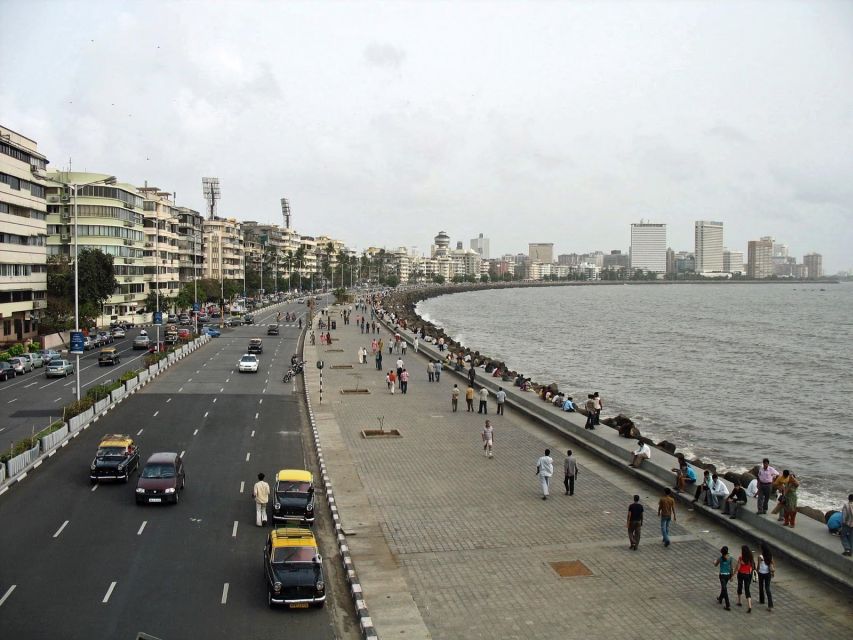
Mumbai can feel like three different cities in one day: grand monuments, colonial-era buildings, and working neighborhoods where life moves at full speed. This tour is built to connect those worlds instead of treating them like separate theme parks. You get big postcard stops, yes—but the real value is that your guide keeps pointing out how those landmarks relate to the daily rhythm of the city.
The pace is brisk, but it’s not “see everything, feel nothing.” The structure is designed for short visits: you’re out for 6 hours, you move by car between key zones, and you get guided walking time at the stops that need it.
You can also read our reviews of more tours and experiences in Mumbai.

Getting picked up in Friends Colony (and why that matters)

Your day starts with hotel pickup in Mumbai, and the listed meeting point is Friends Colony. That pickup detail matters more than you might think. Mumbai traffic can turn a “quick city tour” into a half-day exercise in stop-and-go stress. With a pre-arranged start, you spend your energy on the sights instead of figuring out routes.
You’re in a private group, so you’re not squeezed into a large herd. That also makes it easier to ask practical questions—especially on the Dharavi segment, where understanding what you’re seeing is half the point. The tour includes an English-speaking guide and an AC car, which is a smart comfort factor in Maharashtra’s heat and humidity.
Gateway of India and the Taj Mahal Palace area
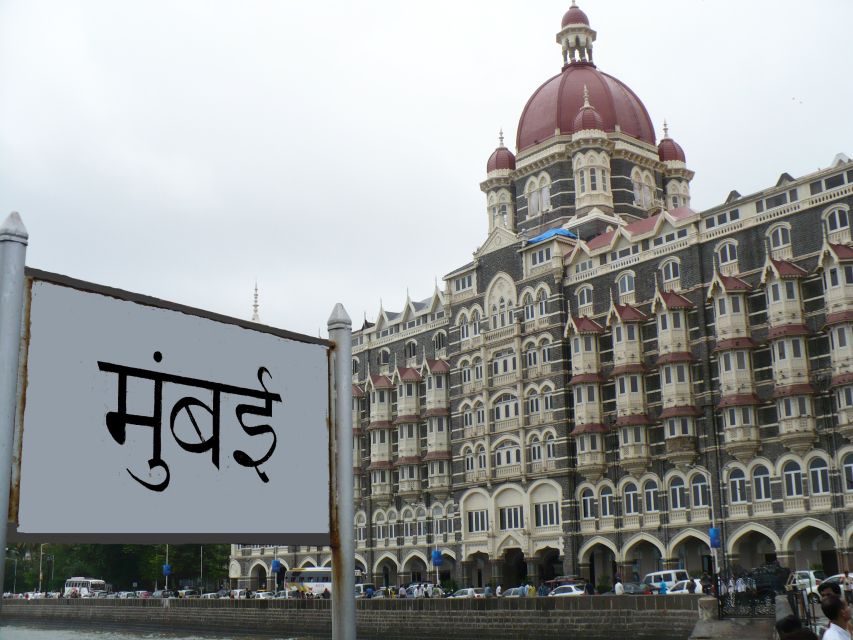
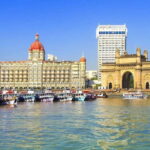
The first major stop is the Gateway of India, with a photo stop and guided walk. This is one of those places you recognize instantly from photos, but the guided context helps you see what you’re actually looking at.
The tour ties the Gateway area to royal-era arrivals—built to welcome King George V and Queen Mary—and it also positions you for the nearby Taj Mahal Palace Hotel. The Taj Mahal Palace’s origin is linked to Jamshedji Tata and the hotel’s first opening to guests on December 16, 1903. Even if you’re not going inside, this gives you a timeline for why this stretch of Mumbai became so symbolic.
A small shopping/walk component is included here. That can be fun if you’re in the mood for quick browsing. If you’d rather keep momentum, you can treat this as a photo and viewpoint stop and let your guide steer the flow.
What to watch for: This area can be busy with foot traffic and vendors. Wear comfortable shoes and keep your phone secure when you’re walking through crowds.
Marine Drive: quick photos, real city energy
From the Gateway zone, you get to Marine Drive for a photo stop and short guided sightseeing walk. Marine Drive is often called the Queen’s Necklace, and even if you’ve seen pictures before, the view hits differently once you’re there and the city noise settles around you.
This stop is short on purpose. The goal isn’t to linger forever—it’s to let you see the shape of Mumbai: the long stretch of coastline, the skyline mood, and the way the city looks from this angle. It’s also a strong transition between the grand monuments and the more working parts of the day.
Tip: If light is in your favor, you’ll usually get better photos earlier or later in the day. Your guide will know the best timing on the day you go.
Chhatrapati Shivaji Maharaj Terminus and Mumbai’s British footprint
Next up is Chhatrapati Shivaji Maharaj Terminus (CSMT), also described as a UNESCO World Heritage Site. You get photo time plus guided time at the station area. This matters because CSMT isn’t just a transport hub—it’s an architectural statement.
From there, the tour also includes several nearby British-era landmarks and viewpoints connected to the same broad slice of Mumbai’s older fabric:
- Mumbai University building (built in 1857)
- Rajabai Clock Towers, often described as the Big Ben of India
- Oval Cricket Ground, tied to how widely India loves cricket
- Bombay High Court, noted as a beautiful British heritage building
What I like about packing these into the same segment is that you start seeing patterns. Your guide can point out recurring design language from the period—how formality shows up in buildings—and then compare it to what you’ll see later in the day in areas that are less built for visiting and more built for living.
Potential drawback: This part is still very “sightseeing.” If you’re hoping for deep museum time, you won’t get it here. The value is in guided orientation and seeing the standout exteriors and street context.





Mani Bhavan, Banganga Tank, and the Jain temple stop
The tour then shifts from architecture to people and ideas with Mani Bhavan, the Mumbai residence connected to Mahatma Gandhi. You get photo stop and guided sightseeing time, with walking time included. Even if you don’t consider yourself a history person, Gandhi’s presence makes the rest of the day feel more grounded.
After that, you visit religious and spiritual landmarks including:
- A Jain temple
- Banganga Tank
These stops are worth your attention because they show Mumbai as more than just an outward-looking city. Tanks, temples, and small spaces like these often act as social anchors. They’re places where locals come back again and again, which gives your whole day more texture.
What to watch for: Religious sites can have rules about movement and clothing. Since shorts aren’t allowed, you’re already ahead of the common issues.
Dhobi Ghat: the open-air laundry you’ll never forget
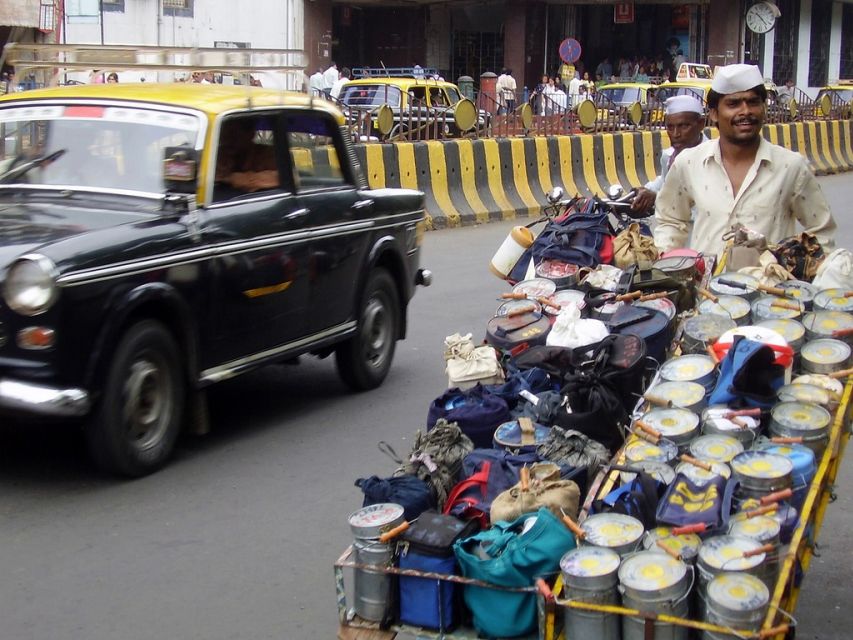
One of the tour’s signature experiences is Dhobi Ghat, described as Asia’s largest open-air laundry. You’ll get photo stop, guided tour, and walking time here.
This is the kind of place where you quickly understand that “tourism” isn’t the center of gravity. The laundry operates in the open, and you see a working system: water, washing, hanging, and the rhythm of people doing a job that keeps the city supplied.
The most valuable part is how your guide frames it. Instead of treating it like a spectacle, you learn how the operation functions in the local economy and why this place matters culturally and practically.
Practical note: It’s an outdoor working area, so conditions can change fast. If you’re sensitive to smells or close quarters, be ready for that reality.
Kamala Nehru Park and the Old Woman’s Shoe viewpoint
After Dhobi Ghat, the tour moves toward Hanging Gardens and Kamala Nehru Park (including the famous Old Woman’s Shoe). You’ll get photo time plus guided sightseeing and walk time.
This is a “breather” stop in the middle of a very intense day. The park is listed for a skyline view of the city, and the Old Woman’s Shoe is a playful landmark that turns your photos into instant stories. You can see this stop as your chance to reset your brain: look up at the city, notice the shape of the skyline, then mentally prepare for the more human-scale scenes coming next.
Why it’s valuable: After working life and religious stops, a viewpoint helps you reorient. It turns the day from a set of disconnected locations into a connected map of where things sit in the city.
Hanging Gardens near the Tower of Silence
The tour includes Hanging Gardens, described as built on top of water tanks near the Tower of Silence, a Parsi burial place. You get guided time and a short walk.
Even though this isn’t a long stop, it’s meaningful. It connects city planning (water tanks used in the built environment) with Mumbai’s layered cultural history. Gardens here aren’t just for strolling—they’re part of a bigger system of how the city evolved around its communities.
What to keep in mind: This is a sensitive cultural context. Treat it respectfully. If you take photos, do it gently and don’t disrupt other visitors.
Dharavi Slum Tour: recycling lanes, Kumbharwada, and community spirit
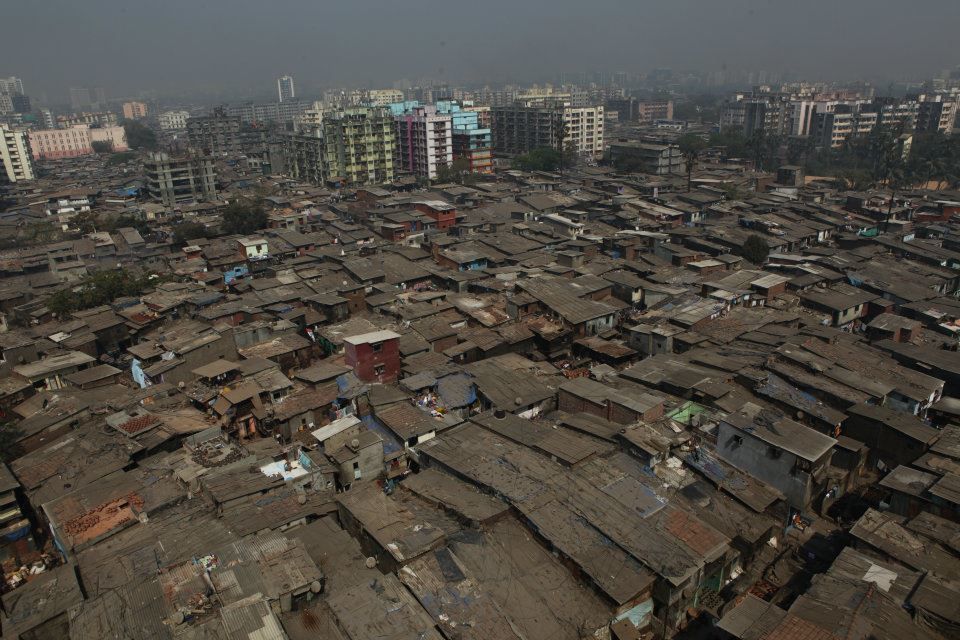
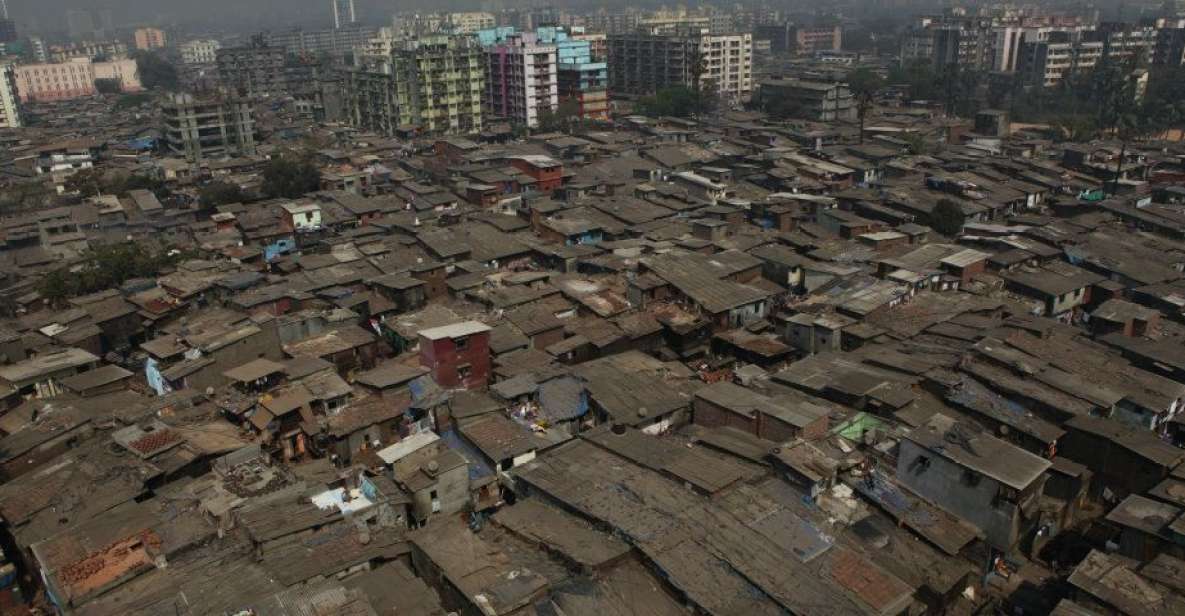
The centerpiece of the day is Dharavi, and the tour spends the most walking time here (with guided exploration through narrow alleys). You start with a focus on the plastic and metal recycling yard, then you move through tighter lanes and by-lanes where local smells and small businesses appear constantly—bakeries and sweet shops, plus soap and cosmetic making units. You may even notice small cyber cafés, locals moving past you, and tailor shops that mass-produce clothing.
Then your guide brings you to Kumbharwada, described as the face of India’s largest slum dwelling in Dharavi. The route through the narrow alleys is framed as an adventure, but the point isn’t shock value. It’s community. You’re meant to feel the strength of everyday connection—how people live close, work close, and share space without the privacy that many visitors expect.
A key element: your guide’s storytelling. That’s what keeps Dharavi from becoming just a difficult photoshoot. You get context about what you’re seeing, and you also hear how the area works as a kind of village inside a major global city.
The guides matter here. One reason this tour gets consistently strong marks is that the guiding style is personal and informed. Names mentioned include Dev, Dhermesh, Siddhi, Anthony, Sunny, Aardi, and Mukesh—and what these names have in common is that your day doesn’t feel like it’s run through a script. Guides adapt to questions and to what you want to prioritize.
Possible drawback to consider: This part of Mumbai can be emotionally heavy, and it’s also physically tight. The best mindset is curiosity with respect. If you’re uncomfortable with close living quarters, constant motion, and the sensory intensity of real workshops and shops, this may be harder than the typical landmark day.
Driving around Mumbai’s British heritage belt
A big chunk of the experience happens as a drive—your guide uses the car time to give you orientation and connections rather than wasting it on transfers.
The tour’s route includes views and passing stops around:
- Marine Drive (again in the driving context)
- Prince of Wales Museum
- Maharashtra Police Headquarters
- Flora Fountain and Hutatma Chowk
- Telegraph Office
- India Post Office Building
- Kala Ghoda area
- David Sasoon’s Library
- National Gallery of Modern Art
This is smart for two reasons. First, it helps you understand where the city’s major public buildings sit relative to each other. Second, it reduces the time you’d otherwise spend crossing busy streets without much payoff.
If you’re a photo person, this part can also deliver quick glimpses that you can later recognize when you’re walking independently.
Price and value: what $70 buys you in real terms
At $70 per person for a 6-hour private tour, you’re paying for three things that add up fast in Mumbai:
- Private guidance in English
- A car with AC, plus transport-related costs like tolls, parking, and taxes
- A route that mixes landmark Mumbai with working neighborhoods, including Dharavi
Lunch isn’t included, so you’ll need to plan for food if you’re sensitive to hunger during long walking windows. But the “no hidden cost” promise matters—especially in a city where extra add-ons can sometimes show up later.
For solo travelers, the price may feel a touch higher than you want, but the private-group structure means you’re not competing with a big schedule. The value is strongest if you want a day that feels efficient and you care about having context for both history and modern life.
Who this tour suits best (and who might not)
This is a good fit if you:
- have limited time in Mumbai and want a lot of key areas covered in one day
- like guided street-level understanding more than museum-only sightseeing
- feel comfortable with the emotional and sensory reality of Dharavi
- enjoy architectural and cultural stops (CSMT, Rajabai Towers, Gandhi sites)
It’s probably not the best fit if you want a relaxed, purely scenic day. Dharavi and Dhobi Ghat are working settings with real-world intensity. The tour can still be handled well, but your expectations need to match the subject.
Practical tips so your day stays comfortable
This tour moves. Small planning details help a lot.
- Wear clothing that fits the no shorts rule. Light layers and breathable fabric beat heavy cotton.
- Bring water. It’s practical advice that comes up repeatedly for a reason.
- If you’re going in rainy season, be ready to get wet. The city weather can change quickly, and you’ll be walking.
- Keep your phone secure in crowded lanes. Dharavi’s narrow paths are busy spaces.
- Go with respect and patience. Your guide’s job is translation—your job is to keep your curiosity kind.
If you’re the type who likes asking questions, this is one of the better formats for it. A good guide (and the guides mentioned around this tour are known for it) can answer what you’re seeing without turning it into a lecture.
Should you book the Dharavi Slum Tour and Mumbai Sightseeing?
I’d book this tour if you want a one-day Mumbai snapshot that doesn’t stay trapped in tourist-only corners. The pairing of Gateway of India, British-era landmarks, Mani Bhavan, Dhobi Ghat, and the viewpoint stops makes the day feel complete. Then Dharavi adds the weight and humanity that most “standard city tours” miss.
I’d hesitate if you need a low-intensity day, you dislike close quarters, or you’re sensitive to the sights and smells of working neighborhoods. In that case, consider a more monument-focused itinerary.
Best move: if you book, show up ready to walk, bring water, wear appropriate clothing, and let your guide shape the day around questions. That’s where this tour turns from sightseeing into understanding.
FAQ
How long is the tour?
The duration is 6 hours.
What is the tour price per person?
The price is listed as $70 per person.
Does the tour include hotel pickup?
Yes. Pickup is included, and you provide your hotel details so the guide can meet you there.
Is this a private group tour?
Yes, it’s described as a private group.
Is there an English-speaking guide?
Yes, the guide is listed as English-speaking.
What major sights does the tour cover?
It includes stops such as Gateway of India, Marine Drive, Chhatrapati Shivaji Maharaj Terminus, Mani Bhavan, Dhobi Ghat, Hanging Gardens, Kamala Nehru Park (Old Woman’s Shoe), and Dharavi.
Is lunch included in the price?
No, lunch is not included.
What’s included in the tour besides the guide?
Included items are an air-conditioned car, English-speaking guide, toll, parking, and tax. It also states no hidden cost.
Are there any clothing restrictions?
Yes. Shorts are not allowed.
Can I get a refund if I cancel?
The tour lists free cancellation up to 24 hours in advance for a full refund.