REVIEW · KOCHI
Fortkochi Heritage Walking tour with a local guide
Book on GetYourGuide →Operated by Biju's Tours · Bookable on GetYourGuide
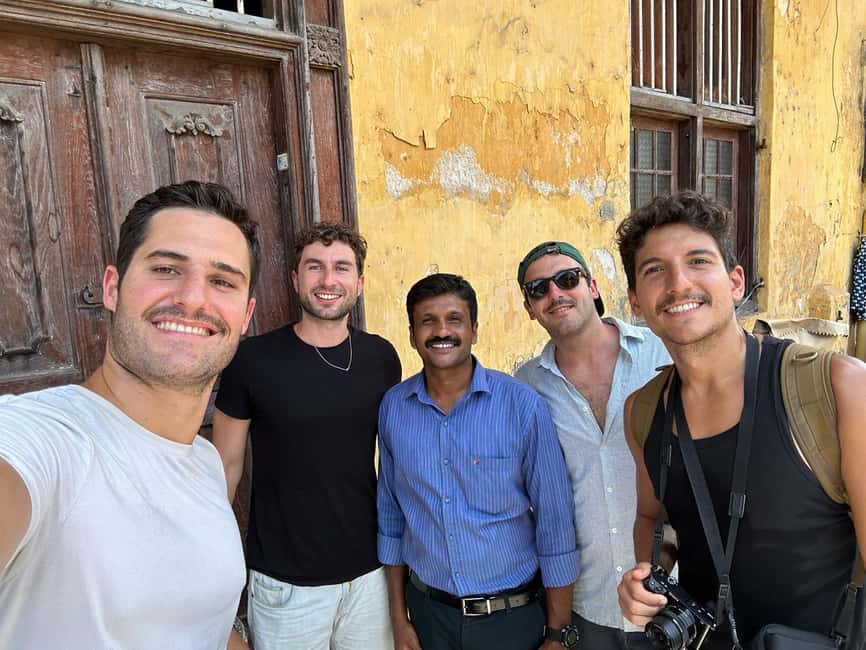
Old Kochi tells stories on every corner. This Fort Kochi heritage walking tour (with a local storyteller, Biju) is built around living details—colonial streets, spice-trade leftovers, and community memories across Fort Kochi, Mattancherry, and Jew Town. I especially like the storytelling guide born and raised in Old Kochi, and I love that the route includes working, hands-on stops like papadam and candle-making, plus Dhobi Khana laundry and ginger warehouses.
One thing to plan around: it’s a walk with some short tuk-tuk rides, and the outdoor timing can get rough. If you book a hot 2pm–5pm slot, you’ll feel it in the humidity, so earlier mornings are the safer bet.
In This Review
- Key highlights I’d prioritize
- Meeting Biju at Kashi Art Café and Getting Oriented Fast
- Fort Kochi, Mattancherry, Jew Town: How the 3-Hour Loop Really Feels
- Portuguese and Dutch-Era Landmarks, Plus a Freedom Fighters’ Stop
- Ginger Warehouses and Spice Processing: The Trade Legacy You Can Taste
- Papadam, Candles, and Dhobi Khana Laundry: Daily Life Worth Slowing Down For
- Chinese Fishing Nets Up Close: More Than a Landmark Photo
- Jew Town and the Paradesi Synagogue: A Community Story With Specific Details
- Price and Value: Why $25 Can Make Sense Here
- Who Should Book, and Who Should Skip
- Final verdict: Should you book Biju’s Fort Kochi Heritage Walk?
- FAQ
- How long is the Fort Kochi Heritage Walking tour?
- Where does the tour meet?
- Is the tour guided in English?
- What areas will we visit during the tour?
- What’s included in the tour price?
- Is Paradesi Synagogue entry included?
- Is Dutch Palace open every day?
- Will there be tuk-tuk rides during the tour?
- What should I wear or bring?
- Is the tour suitable for kids?
- How does cancellation work?
Key highlights I’d prioritize
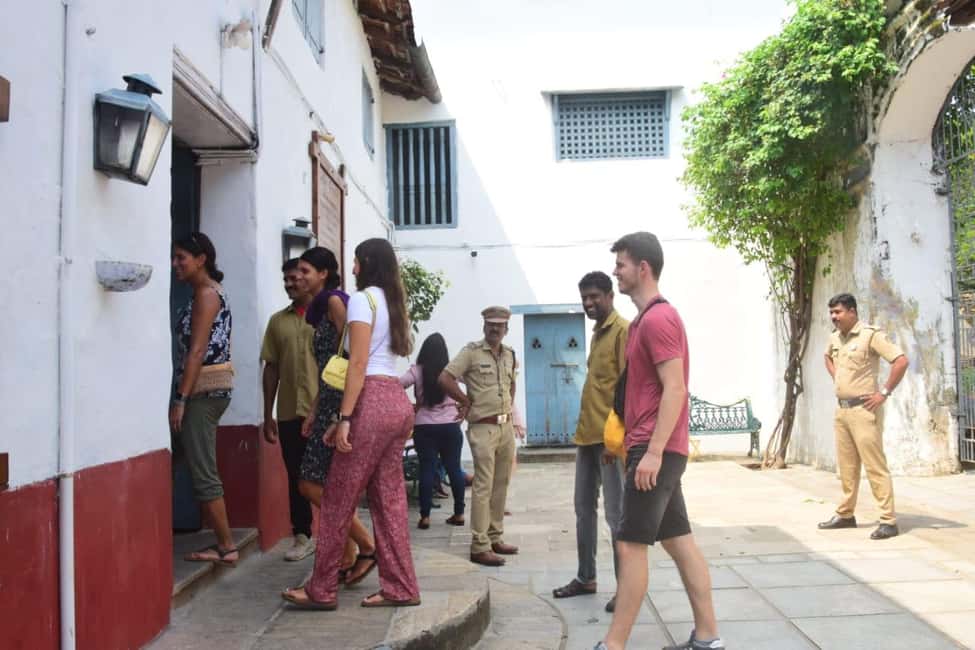
- A guide like Biju, born in Old Kochi, turning landmarks into real stories
- Fort Kochi + Mattancherry + Jew Town in one smooth 3-hour cultural loop
- Spice trade legacy with ginger warehouses and spice processing stops
- Crafts you can still see in action: papadam-making, candle-making, and laundry at Dhobi Khana
- Chinese fishing nets up close, not just a photo spot
- Paradesi Synagogue and colonial-era landmarks with context on past coexistence and power
Meeting Biju at Kashi Art Café and Getting Oriented Fast

The tour starts in Fort Kochi at Kashi Art Café on Burger Street, Fort Nagar, Fort Kochi (Kerala 682001). Arrive about 10 minutes early. Your guide will ask your name, then you’ll fall into step with a group that’s small enough to feel personal.
Before you go, you’ll receive your guide’s details by WhatsApp or email. The handoff is simple, but it matters: once you’re with the right person, the whole walk clicks. This is not the kind of tour where you just “see” buildings. The guide links the streets to the people who lived there—Portuguese-era influence here, trade politics there, and everyday life in between.
English is the working language, and the pacing is built for a mixed day: you’ll walk for about 3 to 3.5 hours total across the route, plus short tuk-tuk rides to keep you moving between areas without turning the day into one long slog.
Tip: wear shoes you can handle on uneven pavement. Fort Kochi streets can be charming and also a little unforgiving. If you want photos, keep your hat and sunglasses handy—sun comes and goes fast near the water and along open lanes.
You can also read our reviews of more walking tours in Kochi

Fort Kochi, Mattancherry, Jew Town: How the 3-Hour Loop Really Feels

On paper, it’s a 3-hour tour. In real life, it’s a sequence of neighborhoods with different moods. Fort Kochi feels coastal and old-world at the edges. Mattancherry shifts into palace-and-heritage territory. Jew Town becomes the story of a community—religious, commercial, and social—shaped by centuries of connection.
You’ll get a guided path that includes stops tied to multiple waves of influence: Arab, Chinese, Portuguese, Dutch, and British. What I like is that you’re not treated to a dry timeline. You get explanations that connect those influences to what you can actually see—architecture, food habits, and local customs you’d otherwise miss.
The tour design also helps you avoid the biggest problem with self-guided wandering: you can easily walk right past the meaning. Here, every pause is a chance to understand why a building sits where it does, why certain crafts became important, or why trade brought outsiders and brought wealth.
Because it’s a walking tour, consider what you’ll do with your energy. If you’re sensitive to heat or you don’t like extended walking, pick a morning time. The walk is not an all-day marathon, but it is long enough that comfort matters.
Portuguese and Dutch-Era Landmarks, Plus a Freedom Fighters’ Stop
Colonial-era Kochi is the backdrop you’ll keep noticing, even when you aren’t trying. The tour takes you through landmark points associated with Portuguese and Dutch presence, including a visit to Dutch Palace (Mattancherry Palace).
Dutch Palace is included with entry, so you aren’t scrambling for tickets at the last minute. Just note the operating pattern: it’s closed on Fridays. If your day falls on Friday, you’ll see alternative sights instead, but you’ll still get the colonial thread that holds the walk together.
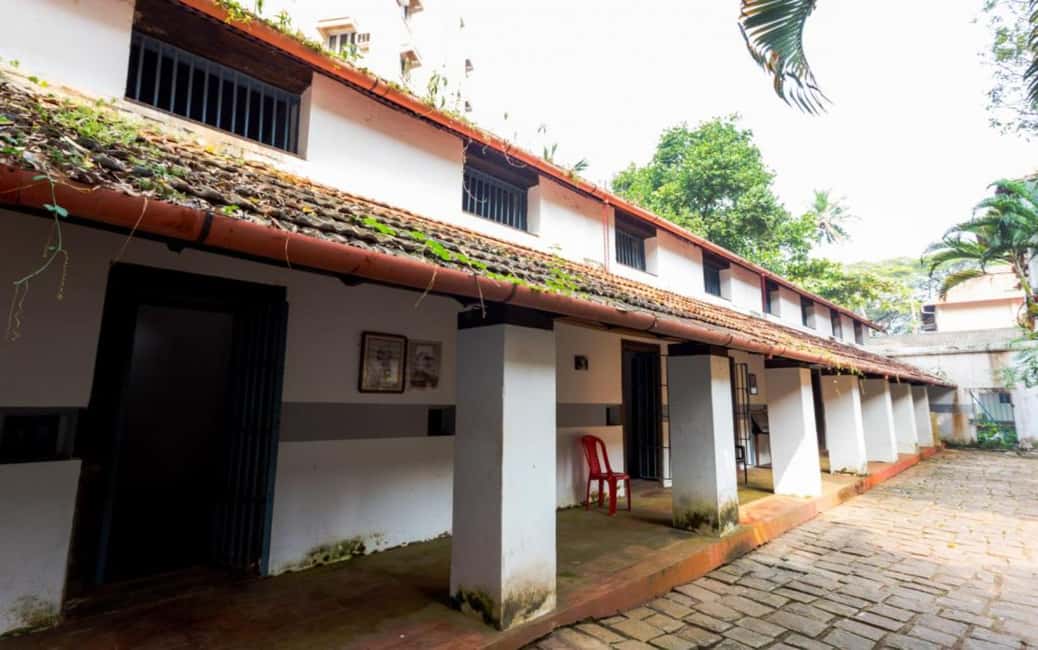
Another highlight is the Freedom Fighters’ Jail. The tour includes a visit to it if it’s opened. That conditional part is worth understanding: sometimes sites operate on local schedules, and your guide will adjust so you still get worthwhile storytelling during the time you have.
If you like architecture, this section pays off. You’re not just looking at old stones—you’re learning how European power showed up in places people still use as landmarks today.
Practical note: in areas tied to churches and other heritage buildings, you’ll want clothing that fits the local expectation—avoid sleeveless shirts and short skirts. A scarf can help, not because you’ll always need it, but because it’s the easy fix if you do.
Ginger Warehouses and Spice Processing: The Trade Legacy You Can Taste
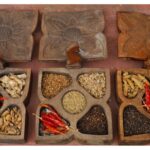
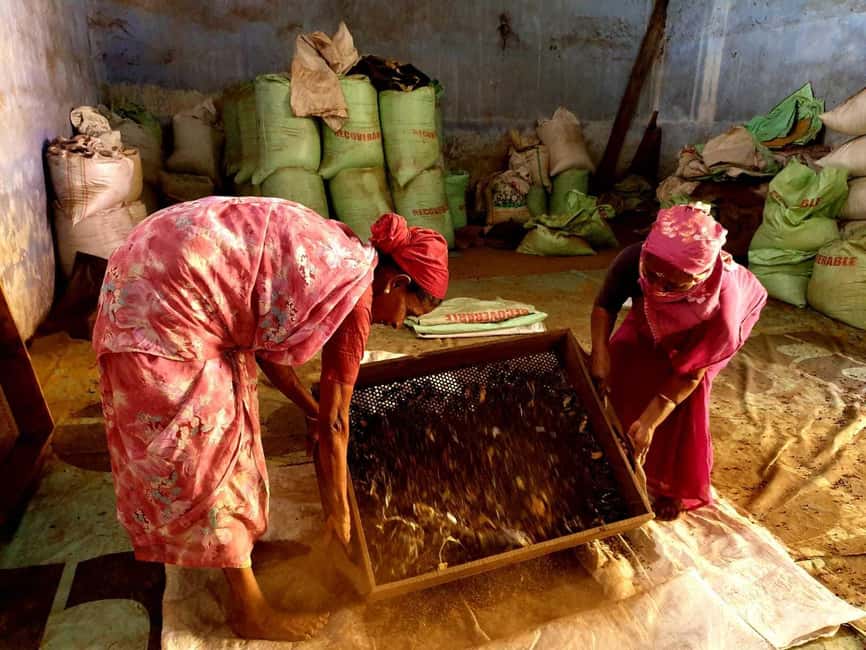
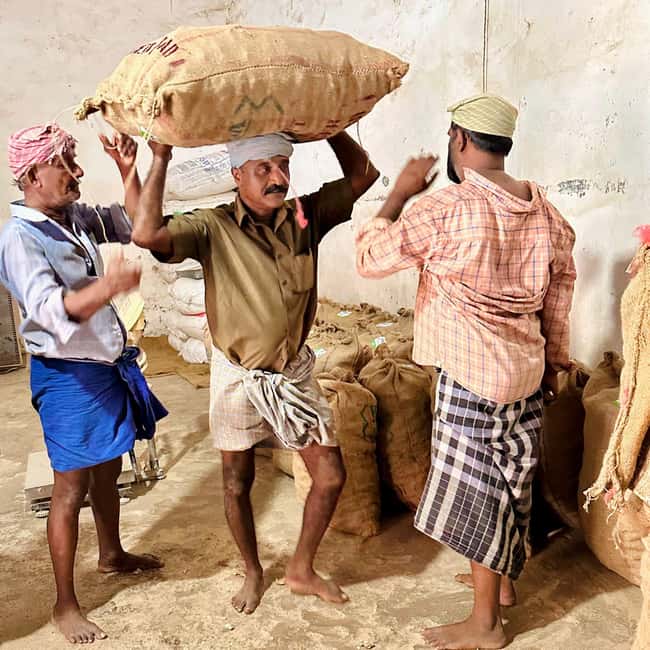
Spice trade is the theme you’ll hear in different forms across the route, but the strongest payoff is the stops tied to spice handling—especially ginger. You’ll visit ginger warehouses and see areas connected to spice processing, giving you a more grounded sense of how trade worked here and why Kochi became part of a wider global web.
This is where the tour shifts from “history as story” to “history as material.” Ginger doesn’t just show up in dishes; it shows up in storage systems, labor routines, and the kind of commerce that shaped neighborhoods.
You’ll also encounter traditional food-related crafts:
- Papadam-making units
- Traditional candle-making
- Stops connected to the spice economy and daily working life
What makes this valuable is that you’re not just hearing about trade. You’re seeing craft and process, and that’s how you start to understand how cultures blend. Portuguese, Dutch, Arab, and Chinese influence isn’t just in coats of paint and street names—it shows up in the way people built businesses, fed families, and organized markets.
Even if your spice knowledge is basic going in, you’ll come away with clearer mental connections: why certain neighborhoods developed specific types of trade work, why certain materials mattered, and how local production stayed important even as foreign merchants moved through.
Papadam, Candles, and Dhobi Khana Laundry: Daily Life Worth Slowing Down For
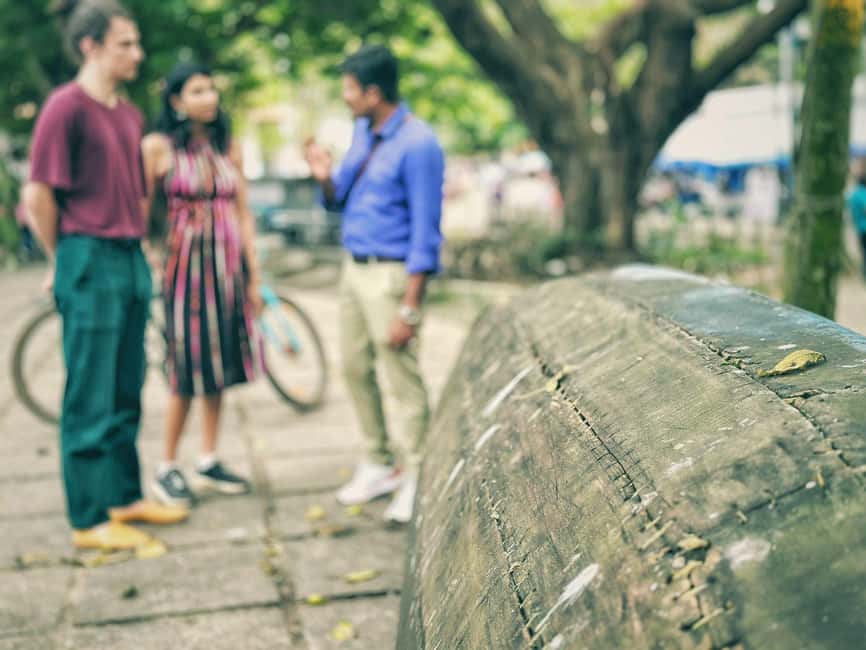
A good heritage tour doesn’t only show monuments. It shows routine. Here, you get to watch or learn about everyday work that locals still connect to the past.
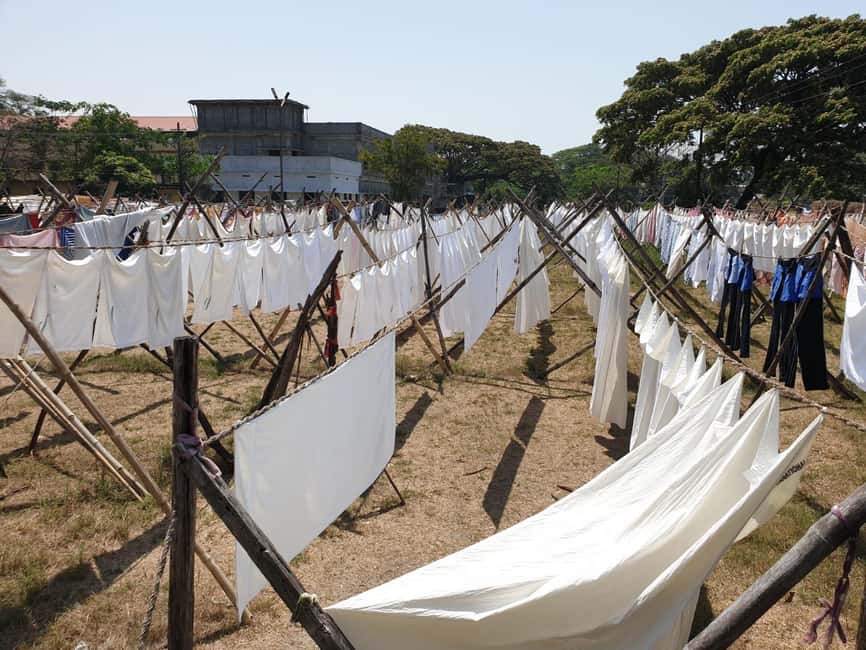
One of the standout stops is Dhobi Khana, the traditional open-air laundry. Even if you aren’t watching every step up close, the explanation makes it feel real: this is labor infrastructure, not just a photo opportunity. You get a view of how communities handled cleanliness and water use long before modern conveniences, and how that daily rhythm became part of the neighborhood identity.
Then there are the food and craft stops like papadam-making and candle-making. These are the kinds of activities that many tourists skip because they look small on a map. In this tour, they’re central. That’s the point. Kochi’s story isn’t only about ships and rulers. It’s also about people producing goods that supported kitchens, prayers, celebrations, and trade.
If you like authenticity over performance, this section delivers. It also gives your brain a break from colonial architecture—just a different lens on the same old city energy.
Comfort matters here too. You might spend time standing near activity points. Wear shoes you can keep on for a while, and bring your scarf if you want an easy way to stay comfortable in sun and dust.
You can also read our reviews of more guided tours in Kochi




Chinese Fishing Nets Up Close: More Than a Landmark Photo
Kochi’s Chinese fishing nets are famous, but they can turn into a postcard if you never get context. This tour brings you close enough to experience them as part of daily work rather than a background prop.
You’ll see them and learn the story behind why they became part of the waterfront. The guide connects the nets to the broader theme of foreign influence—Chinese presence through equipment, technique, and the kind of adaptation trade cultures often bring.
The best part is the immediacy. When you’re close to working nets, you understand motion and timing. It’s a small difference, but it changes how you remember the place.
This also pairs well with the tour’s other storytelling. As you move through colonial and Jewish Quarter territory later, the nets provide an earlier anchor: Kochi was always a port city, always negotiating outside influence with local life.
Jew Town and the Paradesi Synagogue: A Community Story With Specific Details
Jew Town is where the tour turns personal in a different way. You’ll learn about one of the oldest Jewish communities in India and get context around their presence in Kochi.
A major stop is the Paradesi Synagogue. Entry to the synagogue itself has a note: synagogue entrance fees are not included. Your guide can still take you there as part of the experience, but you should be ready to cover that specific ticket if you want to go inside.
The schedule can also affect this stop. Paradesi Synagogue is closed on Friday afternoon, Saturdays, and Jewish holidays. If you visit on those days, the tour includes alternate sights while keeping the overall narrative intact.
The guide’s storytelling includes connections tied to the royal family of Kochi and emphasizes peaceful coexistence and community ties. Even if you’re not religious, the way the guide explains what trade and tolerance meant in daily life helps you read the neighborhood differently.
Practical tip: synagogue etiquette and comfort matter. Bring a scarf if you have one, and dress modestly. You already know the clothing restrictions for the tour, but this is where they can be especially helpful.
Price and Value: Why $25 Can Make Sense Here
At $25 per person for 3 hours, this tour is positioned as good value because it bundles several “costly in time” components:
- A local guide who tells stories tied to multiple neighborhoods
- Entry included for Dutch Palace
- Time saved versus self-planning across Fort Kochi, Mattancherry, and Jew Town
- Stops connected to spice warehouses and traditional craft units
- Short tuk-tuk rides to keep it workable
It’s also good value because the guide is part of the product. Many heritage walks give you facts from a phone. This one gives you a person who grew up in the area—your experience shifts when someone can answer the small questions you didn’t know to ask.
The overall rating is 4.4 with 19 reviews, and the repeated praise clusters around three things: Biju’s storytelling, access to quieter or less obvious parts of the town, and the fact that the tour feels worth the time. Even on days when something is closed or a situation shifts (like closures due to local activity), the guide adapts and keeps the narrative moving.
So if you’re deciding between wandering on your own with a guidebook versus buying a structured walk, this is the kind of tour where you’re paying to save guesswork and get meaning fast.
Who Should Book, and Who Should Skip
This works best for you if you enjoy:
- Story-led sightseeing instead of checklists
- Learning about Arab, Chinese, Portuguese, Dutch, and British influence through real locations
- Spice-trade themes and crafts you can still see in operation
- A mix of heritage sites and day-to-day working spaces
It’s not a good fit if:
- You have limited mobility, severe back problems, heart conditions, or you use a wheelchair
- You’re pregnant
- You want a fully seated experience with minimal walking
The tour is described as family-friendly and suitable for children aged 6 and above, as long as they’re accompanied by an adult. If you’re traveling with kids, it can be a smart way to keep them engaged—there’s enough variety in crafts, nets, and community stories to stop the monotony.
Timing choice also matters. If you can, pick a morning slot. One review experience highlighted that 2pm–5pm could feel incredibly hot and humid in February. Even if weather varies, planning for comfort is the easiest win.
Final verdict: Should you book Biju’s Fort Kochi Heritage Walk?
If you want a Fort Kochi experience that goes beyond “look at this building,” I’d book it. The tour’s value is in how it connects trade, colonial architecture, community life, and working crafts into a single 3-hour story you can actually walk through.
Choose it if you want ginger and spice trade context, you’d enjoy Dhobi Khana laundry and papadam/candle-making, and you like seeing the Chinese fishing nets with explanation instead of just a quick stop.
Skip it if you can’t handle 3 to 3.5 hours of walking, or if your day needs more comfort and less outdoor time. And if you’re booking around Friday or the times when specific religious sites close, remember you’ll get alternate stops—still worthwhile, but you may miss your preferred entrance.
FAQ
How long is the Fort Kochi Heritage Walking tour?
It lasts about 3 hours.
Where does the tour meet?
Meet your guide in front of Kashi Art Café, Burger Street, Fort Nagar, Fort Kochi, Kerala 682001, India.
Is the tour guided in English?
Yes, the live tour guide speaks English.
What areas will we visit during the tour?
You’ll cover Fort Kochi, Mattancherry (including Dutch Palace), and Jew Town.
What’s included in the tour price?
The price includes the guided walking tour with a local expert, storytelling-based heritage stops across the areas, entry to Dutch Palace, a visit to Freedom Fighters’ Jail if opened, and stops tied to spice warehouses and artisan units such as papadam-making, candle-making, and Dhobi Khana laundry.
Is Paradesi Synagogue entry included?
No. Synagogue entrance fees are not included.
Is Dutch Palace open every day?
No. Dutch Palace is closed on Fridays.
Will there be tuk-tuk rides during the tour?
Yes. It’s mainly walking, but it’s combined with short tuk-tuk rides.
What should I wear or bring?
Bring comfortable shoes, sunglasses, a hat, umbrella, sunscreen, insect repellent, and a scarf. The tour has clothing rules: avoid short skirts and sleeveless shirts.
Is the tour suitable for kids?
Yes, it’s family-friendly and suitable for children aged 6 and above, as long as they are accompanied by an adult.
How does cancellation work?
You can cancel up to 24 hours in advance for a full refund.