REVIEW · JAIPUR
Jaipur: Interactive Cooking Class with a Local Family
Book on GetYourGuide →Operated by Ultimate Urban Adventures Pvt. Ltd. · Bookable on GetYourGuide
Cooking with a family, not a classroom. This Jaipur experience turns a meal into an interactive evening of spice lessons, hands-on cooking, and chat in a real home with Monty, Harshita, and their daughter Gina. You get to work in their kitchen and learn how their family makes the classics, including older recipes passed down over time.
What I love most is how hands-on it feels. You don’t just watch chapati and curry happen—you make round breads and a vegetable curry yourself, then sit down with the family for the meal. The whole thing feels intimate and casual, not staged, and that matters more than people think.
My only real drawback is logistics. The class uses stairs to the first floor (F-2) and it is not suitable for wheelchair users, so plan accordingly if mobility is an issue. Also, if you’re in the old town, I’d strongly consider arranging a taxi or pickup, because navigating local streets can be slower than you expect.
In This Review
- Key highlights you’ll care about
- A Jaipur kitchen meal you actually help cook
- Meet Monty, Harshita, and Gina: a family-run class, not a show
- The menu: chapati rounds, vegetable curry, and North Indian comfort
- How the cooking class flows in their home
- Spice lessons that translate to your kitchen at home
- The meal experience: conversation, comfort, and real hospitality
- Price and value: why $24 can feel like a steal
- Transportation and timing: plan for a smooth arrival
- Who this experience suits best (and who should skip it)
- Practical tips before you go
- Should you book this Jaipur home-cooking class?
- FAQ
- How long is the cooking class?
- What dishes do I get to cook?
- What’s included in the price?
- Is pickup available?
- Are there private or small-group options?
- Is the class wheelchair accessible?
- What about allergies or dietary restrictions?
- Are pets allowed, and is smoking permitted?
Key highlights you’ll care about
- Chapati you make yourself (not just a demonstration)
- Vegetable curry from scratch, guided step by step
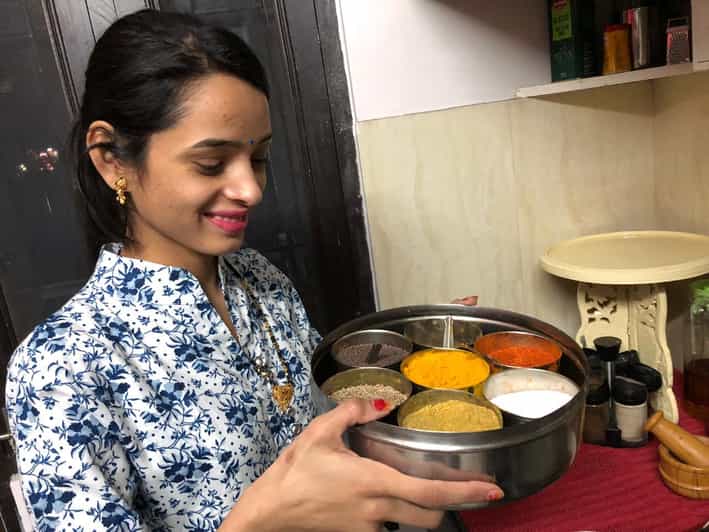
- Spice and ingredient intro so you understand what you’re doing
- Family recipes shared alongside everyday cooking tips
- Welcome drink, dessert, and a proper sit-down meal
- English instruction with a team that answers questions clearly
A Jaipur kitchen meal you actually help cook
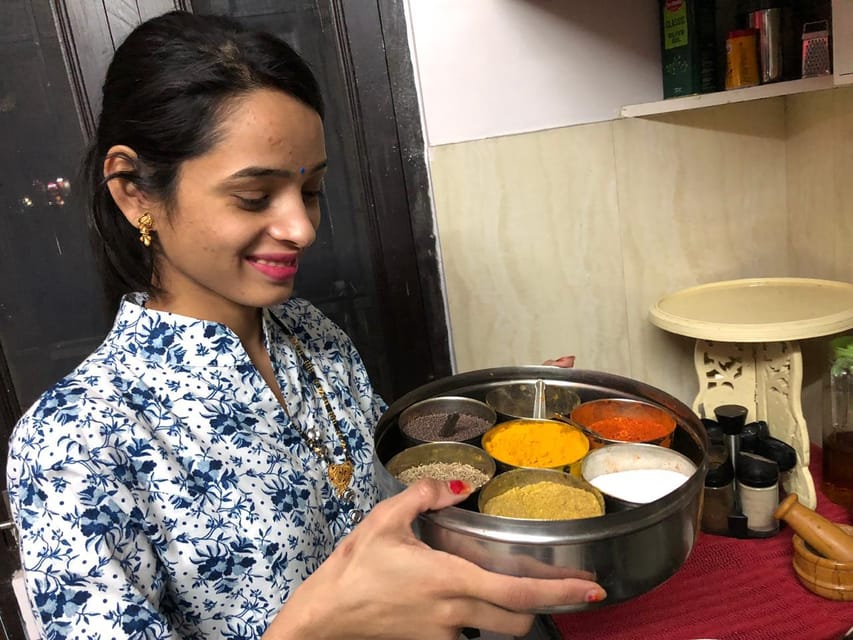
If you want one experience in Jaipur that feels like real life, this is it. The setup is simple: you join a local family in their home, you cook alongside them, and you eat what you helped make. It sounds obvious, but most cooking classes don’t deliver the same feeling.
I like that you get the fundamentals of North Indian cooking in a practical way. You work with the dough, the pan heat, and the rhythm of adding spices—then you taste the results right after. That feedback loop is what helps the lessons stick.
You should also know this is focused on North Indian comfort food. Expect a mix of breads (including chapati and paratha-style technique), seasonal vegetable curries, and other staples that go well with what you’ll be cooking.
You can also read our reviews of more cooking classes in Jaipur

Meet Monty, Harshita, and Gina: a family-run class, not a show
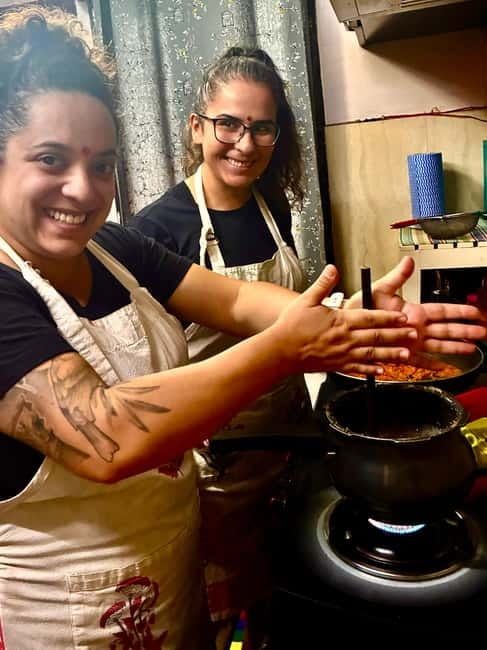
This experience is hosted by Monty and Harshita, and their daughter Gina often adds a warm, human touch to the evening. One of the best parts is how welcoming they are right away—there’s a welcome drink first, and you get introduced to what’s coming before anyone starts rushing through steps.
What makes the hosting work is the combination of styles. Monty brings a structured, detail-heavy approach to cooking and spices, while Harshita contributes that local, home-style know-how that comes from daily cooking. You don’t just learn a recipe; you learn how they think about flavor and technique.
And Gina isn’t treated like a token extra. She’s part of the atmosphere—friendly, playful, and clearly comfortable around guests. That matters because you’re not walking into a sterile classroom; you’re joining family dinner culture.
The menu: chapati rounds, vegetable curry, and North Indian comfort
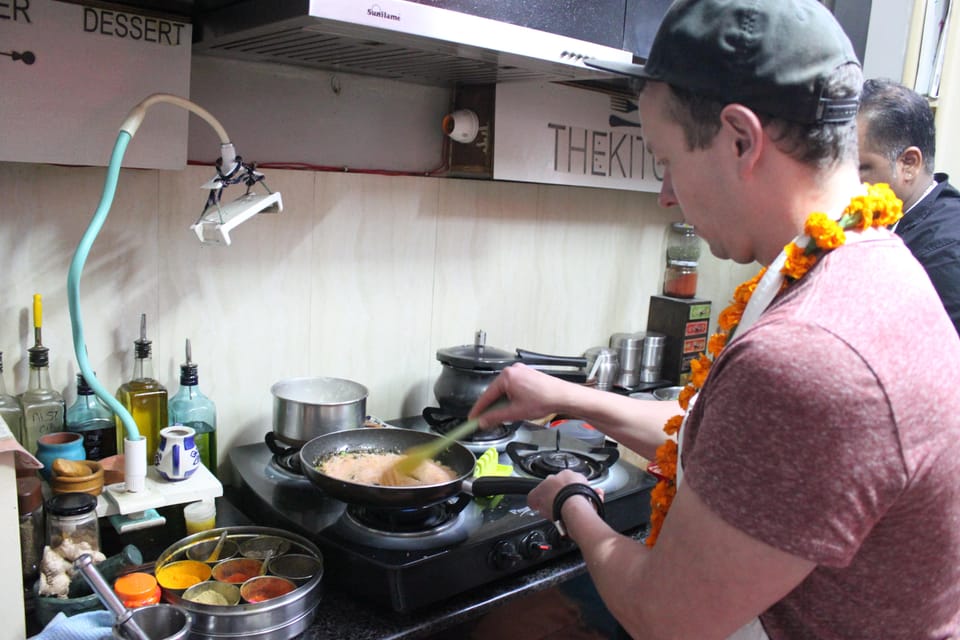
The core of the class centers on chapati and a vegetable curry you make yourself. You’ll start by learning the spice and ingredient basics for the dishes, and then you’ll move into hands-on cooking.
In addition to the main cooking, you’ll typically have a meal that includes sides and a broader spread of North Indian dishes. Based on how the class is described and the examples people have shared from different sessions, you might see dishes like:
- Chapati (and possibly paratha-style technique)
- Seasonal vegetable curry
- Fried rice or similar comfort sides
- Desserts that wrap up the meal
The exact menu can vary, and the session is set up around North Indian staples rather than a single rigid script. That’s a plus if you’ve already eaten at Indian restaurants and want something that still feels fresh.
How the cooking class flows in their home
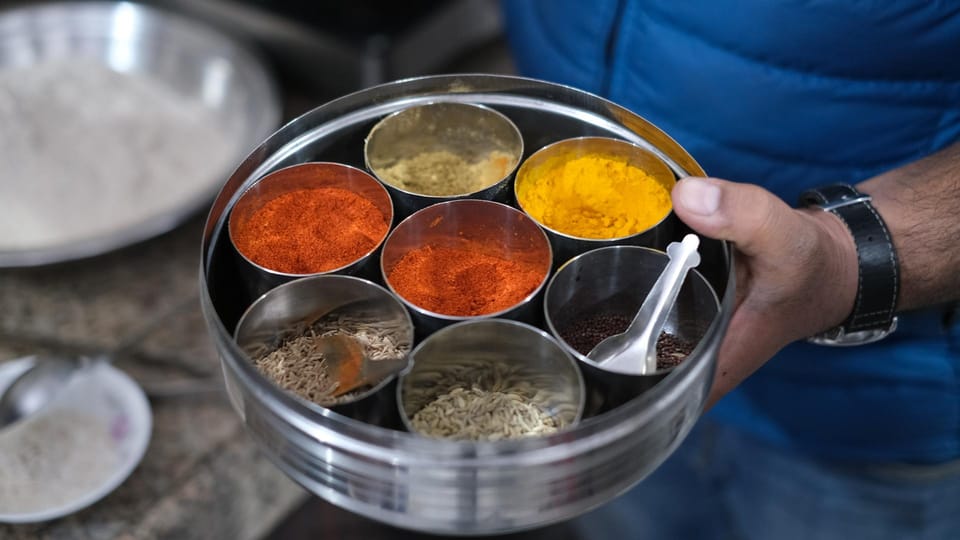
The timing is 2.5 to 3 hours, so you’ll get enough time to learn without feeling trapped at a table too long. The structure usually goes like this:
First, you arrive and are served a welcome drink. After that, you get an intro to the ingredients and spices and herbs used in the recipes. This part is more than background—it gives you a roadmap so you understand why certain spices go in at certain moments.
Next comes a demonstration. You watch how the dough is handled and how the curry base is built. The key difference from many classes is that you’re not treated like a spectator—you’re encouraged to ask questions before you take over.
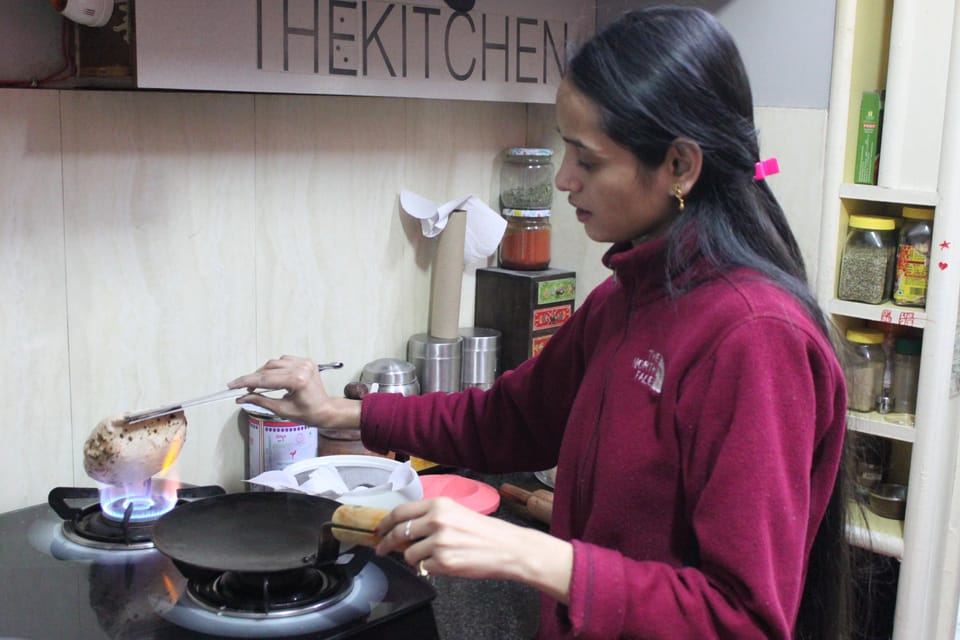
Then you get your turn. This is where you’ll make round chapati breads and cook the vegetable curry yourself. You’ll follow along with the family’s rhythm, learning how to adjust as things cook—heat level, timing, and the point where spices change from raw to fragrant.
Finally, you eat. You’ll have the meal together and add on a traditional Indian drink and dessert to round it out. Plus, you receive e-recipes for everything you cooked.
Spice lessons that translate to your kitchen at home
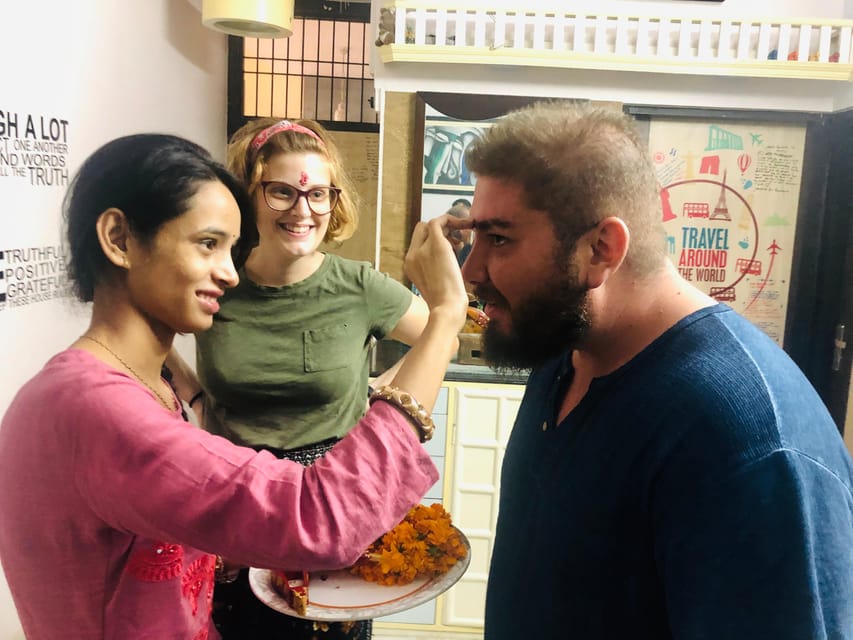
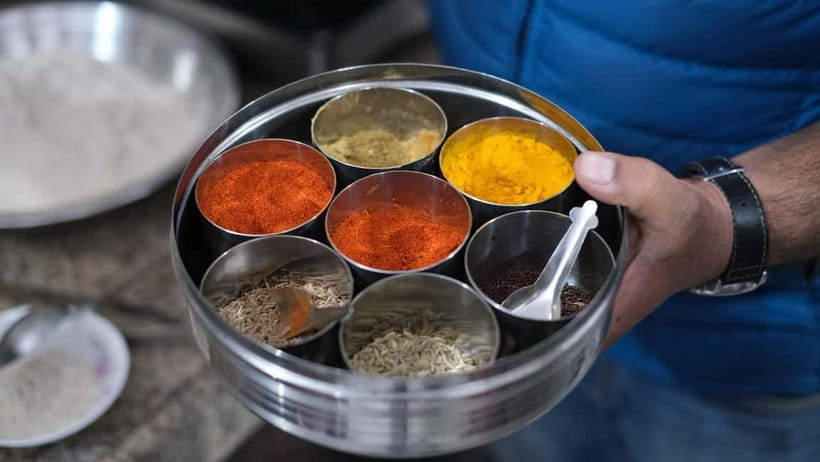
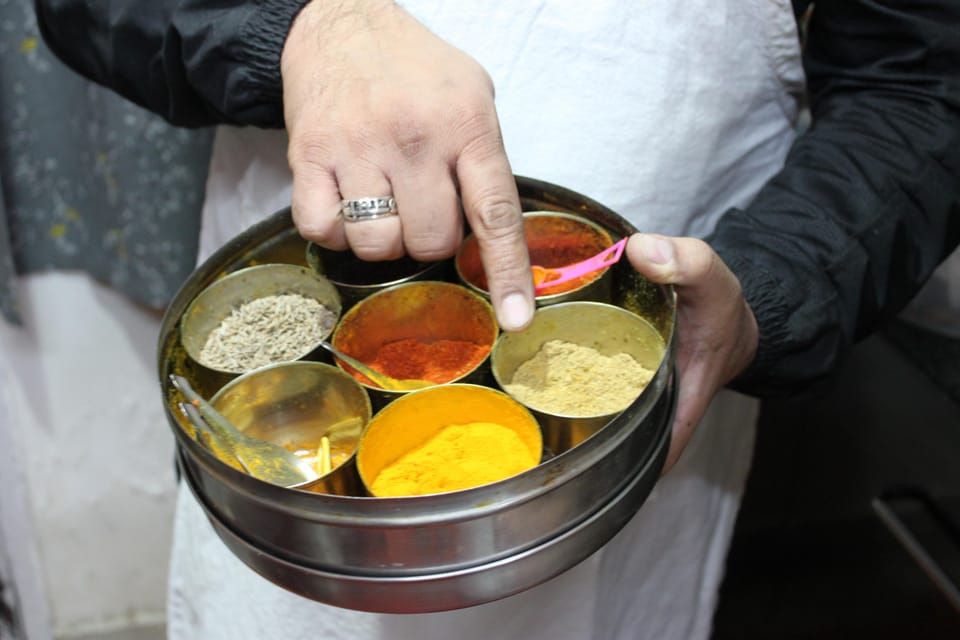
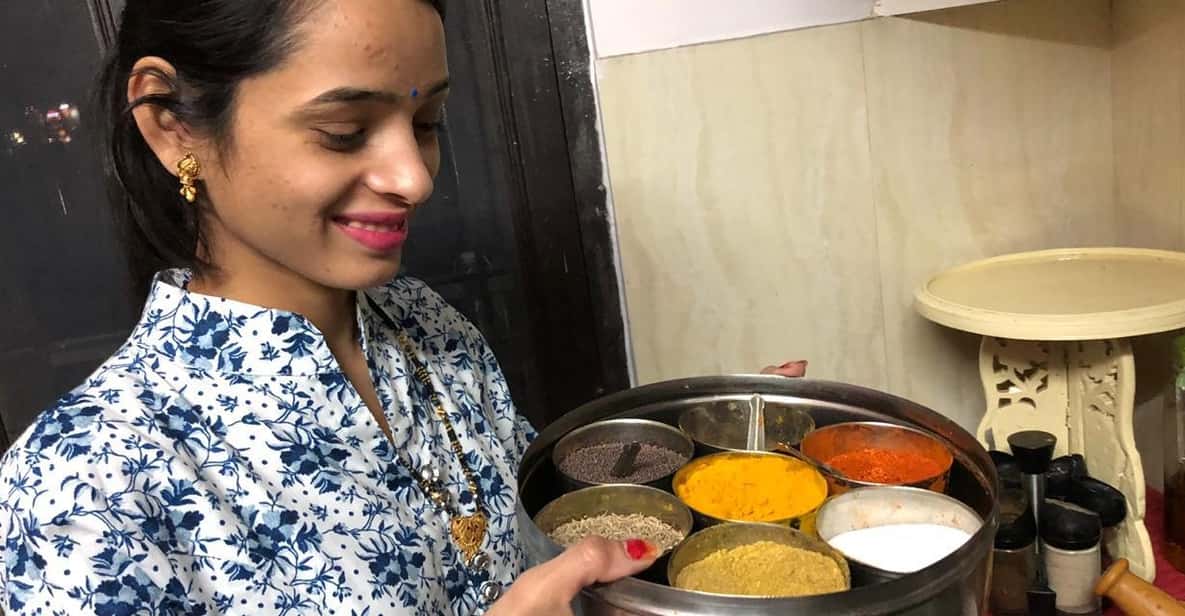
This is one of those experiences where the value isn’t only the food you eat. It’s the way spices are taught. Instead of treating spices as a mystery blend, the family focuses on when to use them and how each one behaves during cooking.
You get practical guidance like:
- what spices are for (flavor vs aroma vs heat)
- how to combine them so they taste balanced, not chaotic
- what to pay attention to as they cook and change in the pan
That matters because Indian cooking can feel intimidating when you only follow restaurant descriptions. After a class like this, you’re more likely to replicate the flavors because you understand the logic, not just the steps.
You can also read our reviews of more tours and experiences in Jaipur





The meal experience: conversation, comfort, and real hospitality
Let’s be honest: the best part of these home experiences is the shared table. Here, you don’t just eat your own plate and leave. You sit down with the family, talk, and enjoy the food in their home setting.
People often mention how much they valued the conversation—travel stories, curiosity about spices, and questions that go beyond cooking. If you like learning through dialogue, this is built for you.
And the meal is not an afterthought. You’ll taste dishes you worked on, so the flavor feels earned. One of the most common takeaways is that the food can taste different from what you get in restaurants and takeaways, because home cooking is tuned to everyday preferences and older family methods.
Price and value: why $24 can feel like a steal
At $24 per person, this class competes with cooking tours that only offer a short workshop. Here, you get a full, shared meal experience plus hands-on cooking time, guided by an English-speaking instructor and a family team that takes questions seriously.
Here’s where the value comes from:
- You cook the main dishes (chapati and vegetable curry), not just assist
- You eat what you made in the same session
- Welcome drink, Indian drink, and dessert are included
- E-recipes are provided afterward, so you can repeat the dishes later
- The atmosphere is small and personal, especially with private or small-group options
That combination makes the price feel fair even if you’re comparing to restaurant meals, because you’re paying for instruction and access to a home kitchen—not just food.
Transportation and timing: plan for a smooth arrival
Pickup is optional. If you want it, the driver will meet you in your hotel lobby or another location in Jaipur where you’d like to be collected. If you’re staying in the older parts of the city, I’d plan extra time and consider arranging a taxi anyway—getting in and out can take longer than you expect, even when you’re close on a map.
The class duration is 2.5 to 3 hours, and it runs at different starting times depending on availability. There’s also a note that an Indian breakfast menu is cooked at the 9:00 AM time slot, so you might find the session menu shifts based on when you go.
Who this experience suits best (and who should skip it)
This works especially well if you:
- want a hands-on cooking class where you truly cook
- like North Indian flavors like flatbreads and vegetable curries
- enjoy casual conversation and learning through questions
- want practical spice guidance you can use later
It’s also a strong choice for couples and small groups because the home setting supports an informal pace. Private experiences are available upon request, which is a good option if you want more attention and fewer group dynamics.
You might want to skip it if:
- you rely on wheelchair access (it’s not suitable)
- you prefer a hands-off food tour style (this one expects participation)
- you need to avoid stairs entirely
Practical tips before you go
A few details will help you have a smoother experience:
- Stairs: You use stairs to the first floor (F-2). Wear comfortable shoes and don’t assume an elevator will be an option.
- Allergies: Inform the hosts about any food allergies or intolerances ahead of time. This is specifically requested, and it’s the right move for safety.
- Pets: Pets are not allowed on the property.
- Smoking: Smoking is allowed on the balcony (so keep expectations clear), but plan to avoid anything that affects your comfort.
- No personal equipment needed: You don’t need to bring your own cooking gear.
- Instructor language: English instruction is provided.
Small details like this can make the difference between a relaxing evening and one spent worrying about logistics. Get them handled early, and you’ll be free to focus on cooking.
Should you book this Jaipur home-cooking class?
Yes—if you want a real Jaipur evening with cooking that sticks. This is the kind of experience where you leave knowing what to do, not just having a full stomach. Making chapati rounds and a vegetable curry yourself is the main draw, but the spice teaching and the family atmosphere are what keep it memorable.
Book it if you like:
- North Indian food and want technique, not just recipes
- a small, personal setting with friendly hosts
- learning from Monty and Harshita’s different cooking approaches
Consider passing if stairs are a problem, or if you want a more formal, restaurant-style experience rather than a home table. If you’re flexible, curious, and ready to cook, this is one of the best ways to spend a few hours in Jaipur.
FAQ
How long is the cooking class?
It runs about 2.5 to 3 hours.
What dishes do I get to cook?
You’ll have hands-on time to make round chapatis and a vegetable curry. The rest of the menu can include other North Indian dishes and sides.
What’s included in the price?
Included items are welcome drinks, the cooking class with the local family, an introduction to spices and ingredients, hands-on cooking, Indian dessert, and e-recipes of the dishes you cook.
Is pickup available?
Pickup is optional. A driver can meet you at your hotel lobby or another chosen location within Jaipur.
Are there private or small-group options?
Yes. The experience is available as private or small groups, and private experiences are available upon request.
Is the class wheelchair accessible?
No. It is not suitable for wheelchair users.
What about allergies or dietary restrictions?
You should inform the hosts about any food allergies or intolerances.
Are pets allowed, and is smoking permitted?
Pets are not allowed on the property. Smoking is allowed on the balcony.