REVIEW · KOLKATA
Kolkata: Full-Day Spirituality & Temples Tour
Book on GetYourGuide →Operated by Go City Adventures · Bookable on GetYourGuide
Kolkata stacks faiths like stories. In one 8-hour loop, you’ll move from a centuries-old Hindu temple to British church architecture, a synagogue’s memorial plaques, and grand river temples on both banks of the Ganges.
My favorite part is the way the tour shows how Kolkata traditions overlap instead of staying in separate boxes. I also love the ferry moment: you get a slower pace, plus skyline views over the river. One watch-out: this is a religious-day route, so dress rules and shoe removals aren’t optional, and crowd levels can turn some exits into a slow shuffle.
In This Review
- Key moments to look forward to
- Why a single-day route works in Kolkata
- Entering the Kali Temple: where the day starts with energy
- St John’s Church and Job Charnock: British Kolkata in neoclassical form
- Magen David Synagogue plaques: remembering a community
- Nakhoda Masjid: a major focal point for Muslim worship
- Pareshnath Temple and the stained-glass pause before lunch
- Belur Math to Dakhineshwar: the Ganges ferry reset
- Dakhineshwar crowds: what to expect when it’s an auspicious day
- Dress code and shoe rules: simple things that prevent headaches
- Price and logistics: does $69 feel fair?
- Who this tour suits best (and who should think twice)
- Should you book this Kolkata spirituality and temples tour?
- FAQ
- How long is the Kolkata spirituality and temples tour?
- What places are visited during the tour?
- Do I get a guide, and is the tour in English?
- Is hotel pick-up and drop-off included?
- Are meals included in the price?
- Is there a ferry ride during the tour?
- What clothing is not allowed?
- Do I need to remove my shoes at places of worship?
Key moments to look forward to
- A 200-year-old start at Kali Temple that sets the tone fast
- St John’s Church and Job Charnock’s grave in neoclassical surroundings
- Synagogue memorial plaques that connect Kolkata’s Jewish community to the city
- Nakhoda Masjid as a major focal point for Muslim worship in Kolkata
- Pareshnath Temple stained glass before lunch
- Belur Math to Dakhineshwar by ferry across a cool, calm Ganges break
Why a single-day route works in Kolkata
Kolkata is the kind of city where religions don’t live in museum rooms. They share streets, history, and even the same daily rhythms. This tour is built for that reality: you don’t just tick off famous buildings. You connect the dots—how a city can hold multiple faiths in one lived-in landscape.
You’ll have a licensed, English-speaking guide and air-conditioned transport, which matters in Kolkata’s traffic reality. You’ll also get hotel pick-up and drop-off around the city, so you’re not spending your energy hunting rickshaws between temples. One guest even noted their guide (Nemai) met them early outside their homestay—small detail, big relief when you’re planning a full day.
The best value here is timing. The itinerary groups worship stops with breaks built in: lunch mid-way, plus a ferry ride that gives you both comfort and perspective. The possible drawback is crowd control. Religious centers can be very busy on auspicious days, and you’ll feel it most near entrances and exits.
You can also read our reviews of more tours and experiences in Kolkata

Entering the Kali Temple: where the day starts with energy
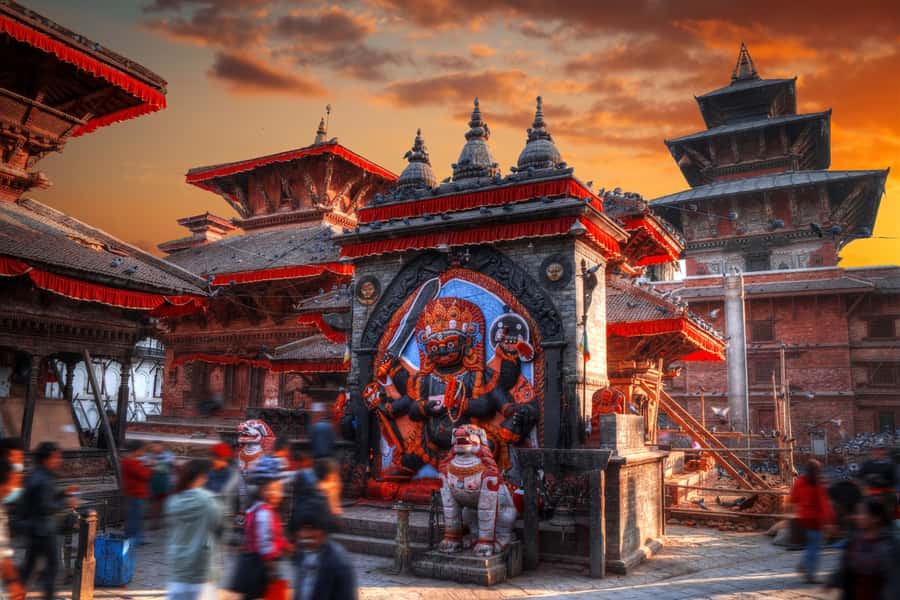
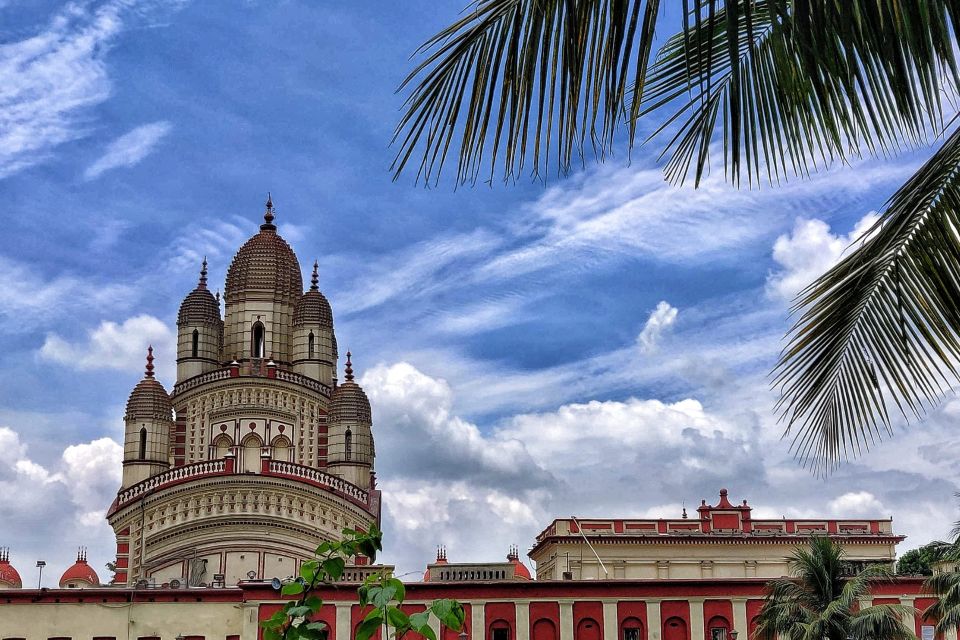
The morning begins at a 200-year-old Kali Temple, and it’s a strong kickoff. This is the moment when you feel the purpose of the day: devotion, sound, ritual focus, and a temple setting that’s older than many modern travel plans.
Because you’ll be inside places of worship, Kolkata’s basic rules apply. You’ll need to plan clothing with covered knees and shoulders, and you should expect shoes to come off in worship areas. It’s not a “maybe” situation—build it into your outfit and your pace.
What I like about this opening stop is the clarity it gives. After you’ve seen one faith space properly, the rest of the day makes more sense. You’re not comparing buildings like trophies; you’re understanding how each community marks reverence and identity.
A practical note: the earlier you are and the more patient you are with rules, the less stressful the start becomes. If you want photos, keep them quick and respectful. This isn’t the kind of day that rewards rushing.
St John’s Church and Job Charnock: British Kolkata in neoclassical form
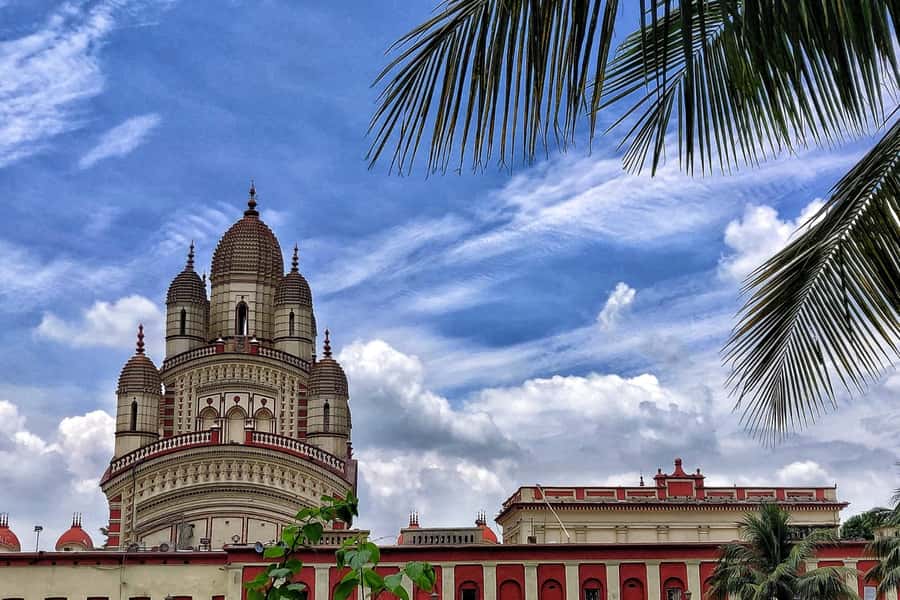
Next you head to St John’s Church, one of the first cathedral churches built by the British in Kolkata. The architecture is neoclassical, which gives you a clean change of scenery from the temple energy.
The highlight here is historical gravity: Job Charnock’s grave is associated with the church. Even if you don’t know the name ahead of time, the guide should help you place it in Kolkata’s British-era story. This stop also adds a useful lens for the whole day. You’re seeing how a port city absorbs outside influences, then adapts them into local identity.
From a traveler’s perspective, this church visit is a nice pacing tool. It’s calmer than the temple bustle, and it gives you time to reset your brain before you step into the next shift of belief spaces.
Magen David Synagogue plaques: remembering a community
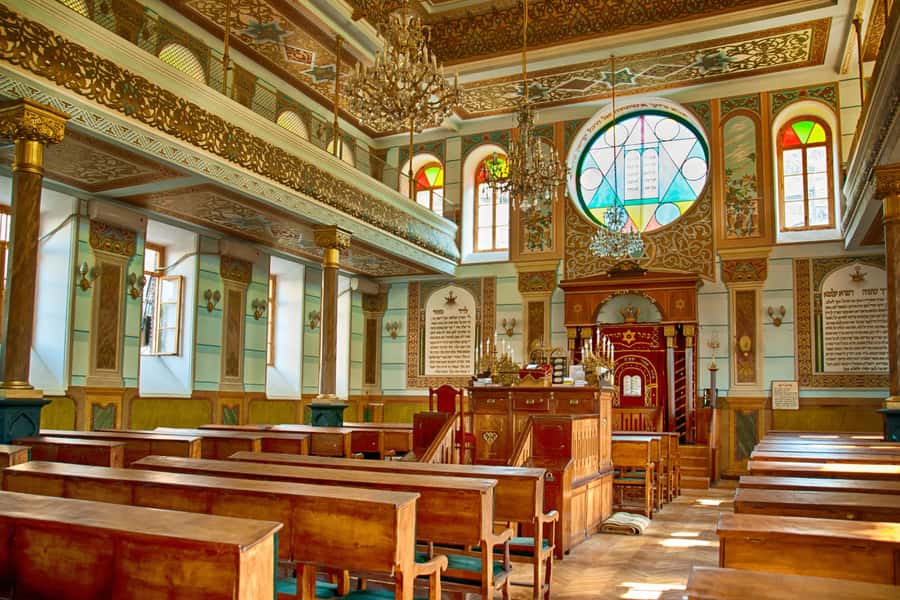
You’ll then encounter the Magen David Synagogue, with interior walls holding memorial plaques dedicated to well-known Jews of Calcutta. This is one of those details that changes a stop from sightseeing to meaning.
Synagogue visits can feel oddly intimate because memorials don’t ask for attention—they hold it. You’re going in to read, notice names, and understand that a city’s story includes communities that may no longer be the majority, but still shape its history.
I like that the tour doesn’t treat the synagogue as a standalone “cool photo stop.” It connects it to the day’s theme: Kolkata’s religions are layered. Even the architecture and the memorial placements tell you how a community wanted to be remembered in the city’s ongoing narrative.
Nakhoda Masjid: a major focal point for Muslim worship
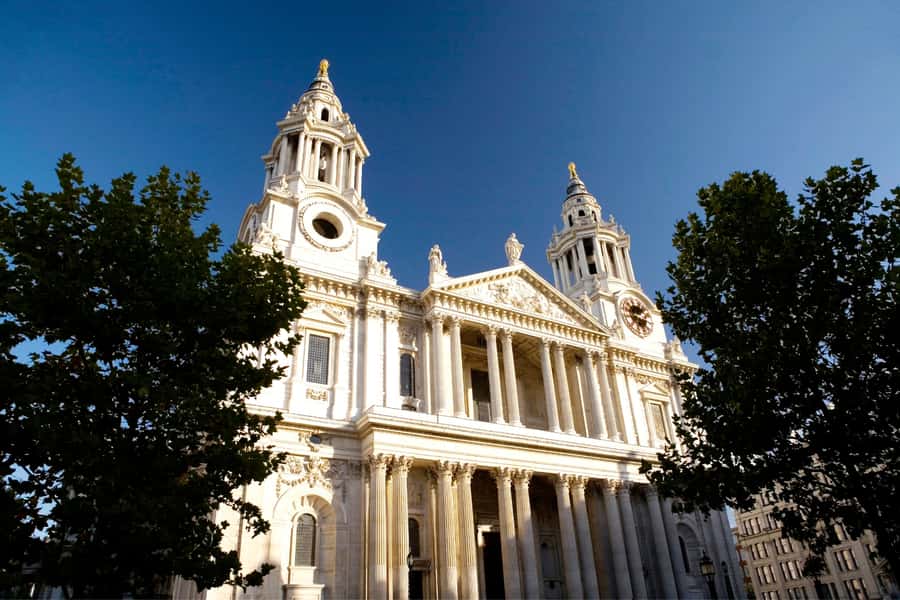
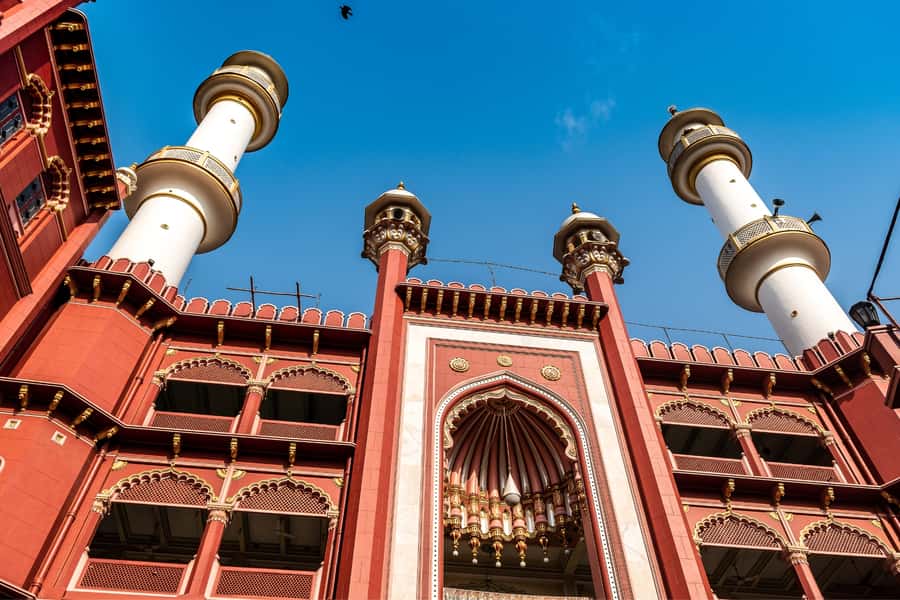
The itinerary moves next to Nakhoda Masjid, described as the principal mosque of Kolkata. As a major worship center, it has that “people are here for a reason” feeling. This is the kind of place where you’ll benefit from your guide’s context, especially for understanding how mosque spaces function for worship and gathering.
Since this is still a visit to a place of worship, keep your preparation consistent. Stick with the no shorts and no sleeveless shirts rule, and remember that shoe removal can happen again depending on where you’re asked to go.
Crowds can be thick at popular prayer times or on special days. If you’re sensitive to tight spaces, keep your expectations flexible. This tour is more about experiencing the city’s spiritual pulse than about moving like a museum line.



Pareshnath Temple and the stained-glass pause before lunch
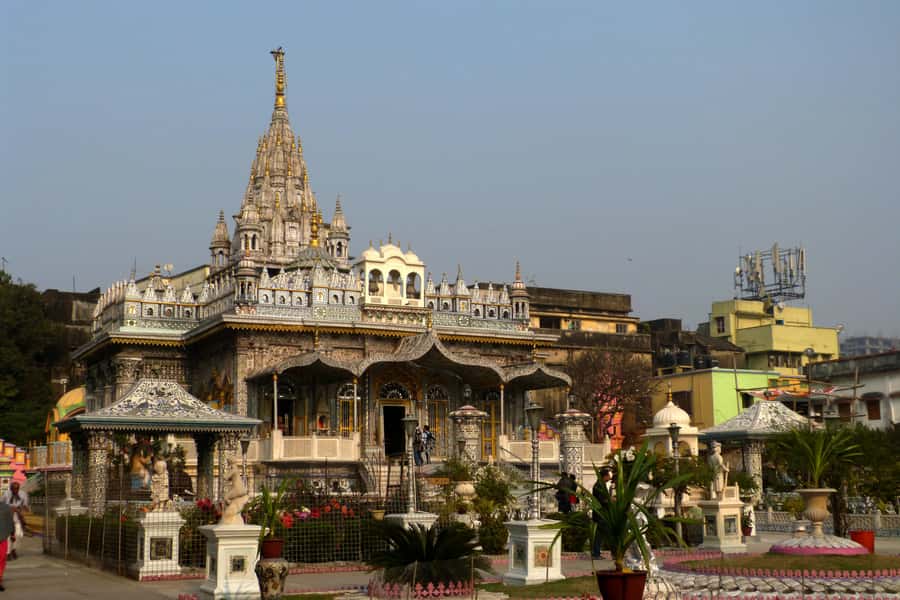
After Nakhoda Masjid, you’ll visit Pareshnath Temple, known for stained glass all over and standout architectural brilliance. Even if stained glass isn’t usually your thing, it’s a great midday “visual palate cleanser.” The colors and light changes can help you slow down for a moment that isn’t just about crowds and footsteps.
Then comes lunch. The good news: having a built-in break means you’re less likely to burn energy in the afternoon rush. The not-so-good news: meals aren’t included, so you’ll need to plan for your own lunch option or follow whatever lunch arrangements are set during the tour day.
If you tend to get hungry between sights, pack a snack option you can carry. The tour data doesn’t list included meals, so I’d treat food as your responsibility and don’t assume a meal stop means the cost is covered.
Belur Math to Dakhineshwar: the Ganges ferry reset
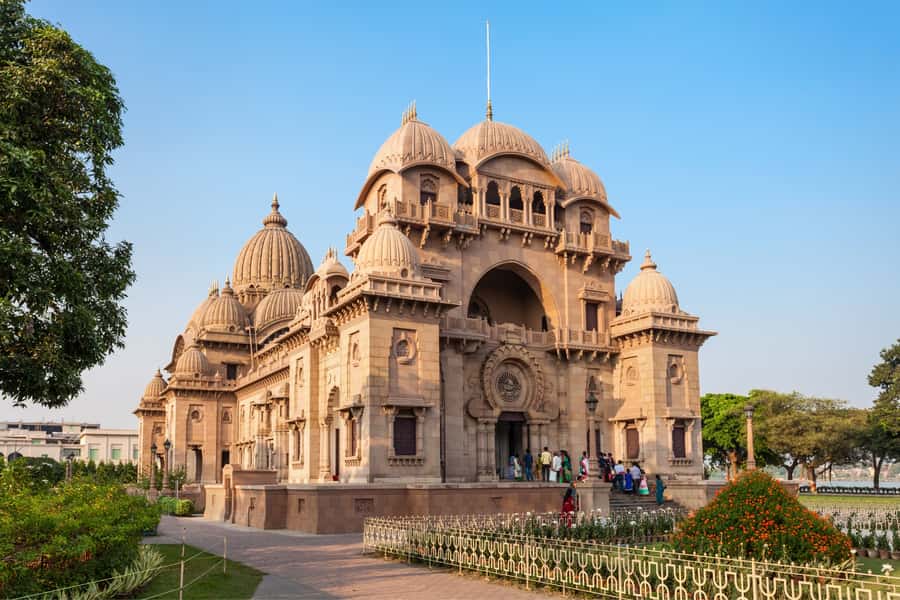
This is one of the most appealing parts of the day. Belur Math and Dakhineshwar temple sit across the Ganges from each other, and you’ll ride between them by ferry.
What makes this special is the break in pace. The ferry ride is described as a great experience with a cool, calm ride over the river, and you also get a glimpse of the city skyline. After temple transitions and urban traffic, it’s a moment where your senses get a breather.
One practical detail: roads around the area can be congested. One guest noted that the drive through Howrah’s tiny, crowded roads could feel like the ride was part of the day’s challenge. The vehicle may be air-conditioned, but older vans can be less comfortable than you’d want for an all-day day.
Still, the ferry itself tends to land well because it’s time you’re not bracing for traffic. You’re watching the river do its thing, with the city slowly shifting behind you.
Dakhineshwar crowds: what to expect when it’s an auspicious day
Dakhineshwar is a major draw, and timing can matter. On a particularly auspicious day, one guide’s crowd management made the difference between a stressful experience and something manageable. The guide (Nemai) helped reduce time spent dealing with heavy foot traffic and got the group in efficiently.
But don’t assume every moment will feel smooth. The same day had a difficult exit—crowds built up and the walk back to parking ended up longer than it sounds on paper.
My advice: keep your energy light and your shoes comfortable. You’re likely to walk more than you expect, especially at exits. Plan for the possibility that the last stretch feels slower than the first half of the tour.
If you get overwhelmed by crowds, focus on the guide’s instructions and keep your pace steady. Staying calm helps you pass through faster.
Dress code and shoe rules: simple things that prevent headaches
This tour has clear rules that you should treat as firm:
- No shorts and no sleeveless shirts
- Cover knees and shoulders at places of worship
- Wear shoes that you can remove quickly when asked
Yes, it can feel a little old-school, but these rules keep the day respectful and friction-free. If you’re tempted to “just wear something light” and hope it works, you’ll likely end up spending the day adjusting clothes instead of enjoying sites.
Bring comfortable walking shoes or slippers you can slip off and on without wrestling. On days with heavy crowds, your feet will feel it, and you’ll want traction and comfort when you’re moving through temple grounds.
Also, remember: the tour is run for religious sites, not just sightseeing. Treat each stop like you’re walking into someone’s place of worship, not a photo set.
Price and logistics: does $69 feel fair?
At $69 per person, this tour has a “value if it clicks” profile. You’re paying for several things at once: a licensed English guide, air-conditioned transport, and hotel pick-up and drop-off around Kolkata. You also get the ferry ride, which is one of the day’s best moments.
Where the value can shift is in the human factor and day-of execution:
- One guest praised their guide (Nemai) and driver (Akash) for smooth routing, good parking, and strong explanations.
- Another guest felt the tour wasn’t worth the price after comparing how much guide/driver were paid versus what the customer paid.
- There were also complaints about communication and pick-up confirmation timing for a follow-on tour.
So here’s my practical take: if you get a great guide and a calm, well-driven day, the $69 feels reasonable because you’re seeing a lot in a structured way. If communication is slow or the driver’s style annoys you, you may feel shortchanged.
My suggestion is simple: line up your expectations for a full day of walking, rules, and crowds. Then the price lands as “pay for structure,” not “pay for luxury.”
Who this tour suits best (and who should think twice)
This is a strong match if you want:
- A fast, guided way to see Kolkata’s major faith landmarks in one day
- A day focused on culture and tradition woven together
- A guide-led approach where explanations make the sites click
It’s also good for first-timers who don’t want to plan a multi-stop route across the city and then negotiate transport all day.
It might be less ideal if:
- You’re very sensitive to crowd crush at religious exits
- You want long stretches of quiet time with minimal walking
- You expect meals included (they aren’t)
- You dislike any personal questions from staff; one guest reported a driver was overly enquiring
If you’re the type who finds meaning in context and values a structured itinerary, this one-day format can be genuinely satisfying.
Should you book this Kolkata spirituality and temples tour?
If you’re curious about how Kolkata’s religions share space and history, this tour is a practical way to experience that in about eight hours. The guide experience can be a big deal here—Nemai in particular was praised for clarity, respect, and crowd-smart handling at Dakhineshwar. The ferry ride over the Ganges also gives the day a calmer rhythm and a skyline moment you’ll remember.
I’d book it if you’re ready to follow the dress and shoe rules, walk at least some crowded areas, and accept that transport comfort can vary on a city like Kolkata.
Before you go, do one thing: double-check your pickup details and keep an eye on messages so you’re not waiting around in the morning. That tiny bit of prep protects your whole day.
FAQ
How long is the Kolkata spirituality and temples tour?
The tour lasts about 8 hours.
What places are visited during the tour?
You visit Kali Temple, St John’s Church, Magen David Synagogue, Nakhoda Masjid, Pareshnath Temple, lunch, then Dakhineshwar temple and Belur Math, with a ferry ride over the Ganges.
Do I get a guide, and is the tour in English?
Yes. You get an English-speaking professional licensed guide.
Is hotel pick-up and drop-off included?
Yes. Hotel pick-up and drop-off are included for hotels located in Kolkata.
Are meals included in the price?
No. Meals are not included.
Is there a ferry ride during the tour?
Yes. You’ll enjoy a ferry ride over the Ganges between Belur Math and Dakhineshwar.
What clothing is not allowed?
Shorts and sleeveless shirts are not allowed.
Do I need to remove my shoes at places of worship?
Yes. Shoes must be removed at places of worship, and knees and shoulders must be covered.