REVIEW · JAIPUR
Jaipur Home Cooking Experience with Authentic Lunch/Dinner
Book on GetYourGuide →Operated by Jaipur tour taxi cab · Bookable on GetYourGuide
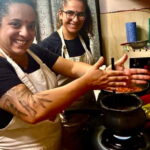
A home kitchen in Jaipur can be a culture shortcut. This experience is built around cooking with a local family and learning the North India basics, right where everyday life happens. I like that you’re not just eating you’re also being shown why dishes are made the way they are, with chat flowing alongside the food.
One of my favorite parts is the chance to make chapatis (round breads) with guidance, plus cook your own vegetable curry instead of only watching. The second big win is the food itself: you’ll eat a proper lunch or dinner with both veg and non-veg options. One thing to consider: if you want a very hands-on cooking class every step of the way, the format may feel lighter than you expect.
In This Review
- Key things that make this experience worth your time
- Cooking at a Jaipur home: what you’re really buying
- The kitchen rundown: breads, curries, and the North-India flavor map
- Your hands-on cooking time: chapatis and one curry
- The meal: lunch or dinner that actually feels complete
- Chai welcome and ingredient sourcing talk: more than food trivia
- Optional henna art in Jaipur: mehndi on your hands
- The timing: how 3–5 hours usually flows
- Transport and comfort: why AC pickup matters in Jaipur
- Price and value: why $13 can actually make sense here
- Who this is best for (and who may want a different style)
- Small details that make the difference
- Should you book this Jaipur cooking + henna experience?
- FAQ
- How long is the Jaipur home cooking experience?
- What does the experience cost?
- Is pickup and drop-off included?
- What language is the host?
- Is it a private experience or shared group?
- Do I cook during the experience or only watch?
- Does the meal include vegetarian and non-vegetarian options?
- Is henna art included?
- What’s the cancellation policy?
Key things that make this experience worth your time
- AC pickup and drop-off included, so you’re not hunting taxis across town
- English host to keep the cooking and cultural notes clear
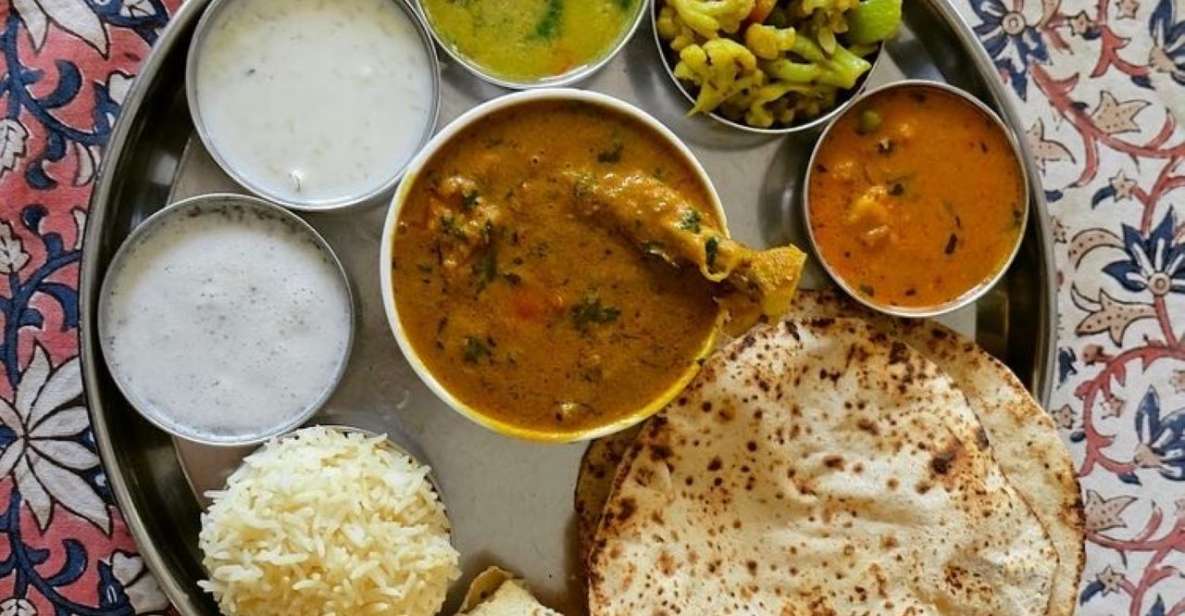
- North India focus with breads (chapati/paratha) and familiar curries like aloo gobhi and dal
- You cook: you’ll make round chapatis and a vegetable curry
- Tea-first welcome with chai and other drink options before the kitchen work
- Optional henna (mehndi) with a local artisan and a short explanation of meaning
Cooking at a Jaipur home: what you’re really buying
This is not a showroom class where everyone follows the same scripted steps. You’re stepping into a working home setup in Rajasthan, where cooking is part of daily rhythm, not a performance. That matters because Indian cooking is heavy on timing, heat control, and taste adjustments. In a home setting, you get a sense of how people actually manage it.
At the start, you’re welcomed with a traditional drink like chai or lassi, or you might have lemon soda or juice—whatever they’ve got ready. It’s a simple touch, but it sets the tone: you’re meeting people first, food second.
You also get a kitchen orientation before you start cooking. They brief you on types of Indian cuisine, then zoom in on North India food. That’s a smart angle. North Indian dishes are widely loved for their breads, dairy-rich gravies, and comfort curries—so even if you’re new to Indian cooking, you can follow along and leave with recipes you can reproduce later.
You can also read our reviews of more cooking classes in Jaipur

The kitchen rundown: breads, curries, and the North-India flavor map
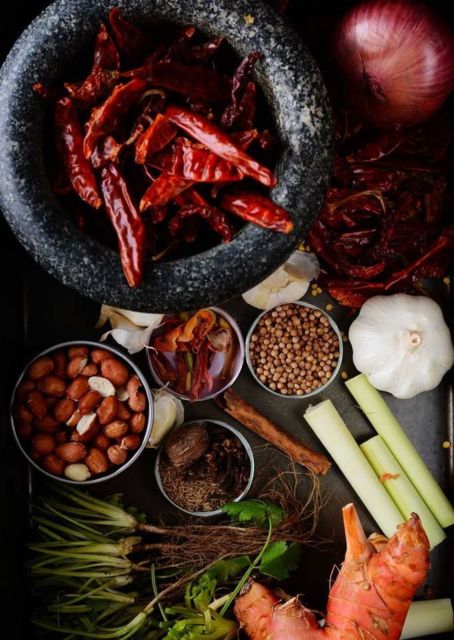
Once you’re in, expect a clear pathway: learn what’s what, then put your hands to work. The lesson centers on staples like chapati and paratha, plus seasonal vegetable curries. The curriculum includes a long list of dishes, and even if you don’t make all of them yourself, you’ll see the logic behind the combinations:
- Garlic bhindi (okra with garlic flavors)
- Aloo gobhi (potato + cauliflower)
- Dal (lentils)
- Pumpkin curry
- Carrot curry
- Paneer masala
- Tinda curry
- Eggplant masala (baigan-style)
- Baigan bharta
- Gutaa curry
- Plus additional vegetable-curry variations depending on what’s in season
What I like about this approach is that it gives you a flavor map. Indian curries often start with a base (aromatics + spices), then shift with the main ingredient—lentils behave one way, while eggplant behaves differently. When you understand that pattern, you can adapt at home without needing an exact copy.
And yes, you’ll get culinary stories and traditions along the way. Cooking is social in a home kitchen, so conversations aren’t an add-on—they’re part of how techniques get explained.
Your hands-on cooking time: chapatis and one curry
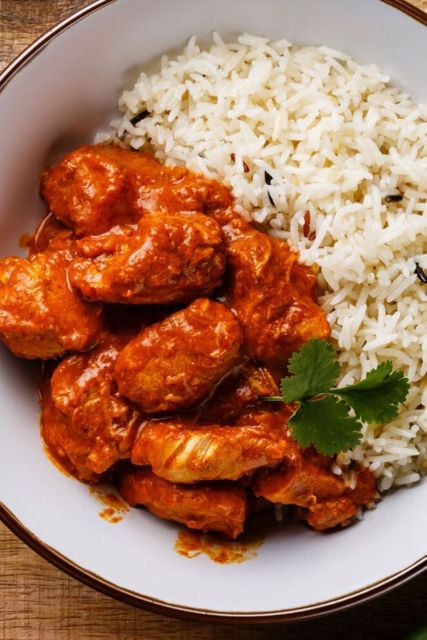
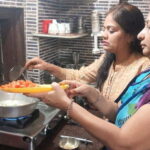
The hands-on portion is the heart of the experience. Before you cook, there’s a demonstration—so you don’t begin with guessing. Then you’re given a real chance to work.
You’ll make round chapatis, guided step by step. The goal isn’t to make you a professional in one sitting; it’s to help you understand the feel: dough consistency, rolling technique, and how to recognize when the bread is ready.
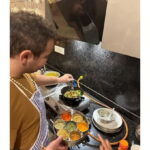
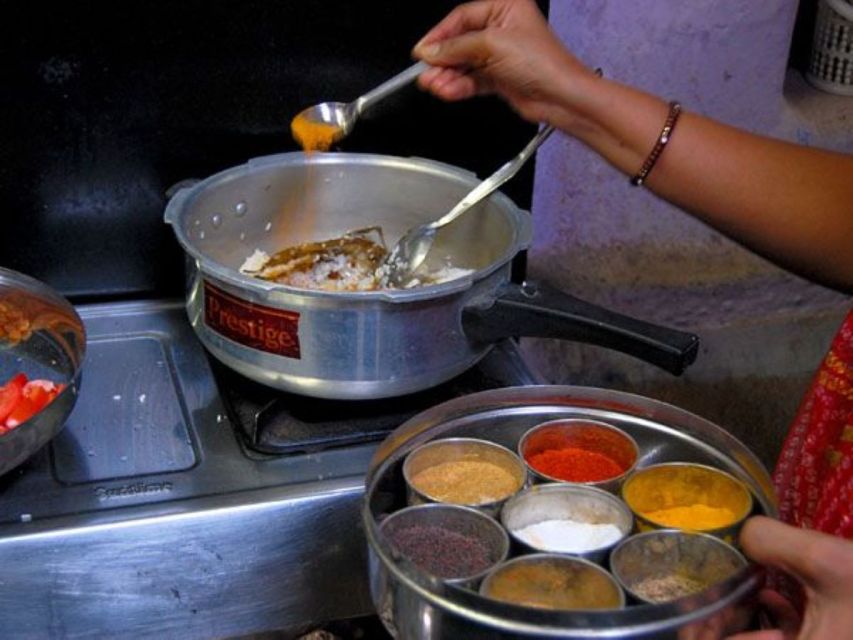
Alongside the bread, you’ll also cook a vegetable curry yourself. You won’t be stuck stirring only once or twice. You’ll be involved enough that you can taste the impact of your decisions—how thick the curry is, how the spices bloom, and how the vegetables soften.
One note based on the format: some parts of the meal might feel more like an interactive cooking experience than a strict class where you do every step from start to finish. If you’re expecting full control of every pot and pan, set your expectations for a shared, home-style rhythm rather than a studio-style workshop. The payoff is that you still come away with practical skills you can repeat.
The meal: lunch or dinner that actually feels complete
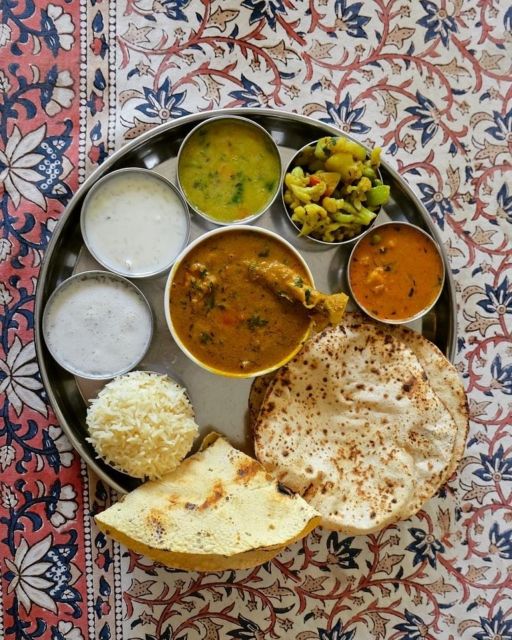
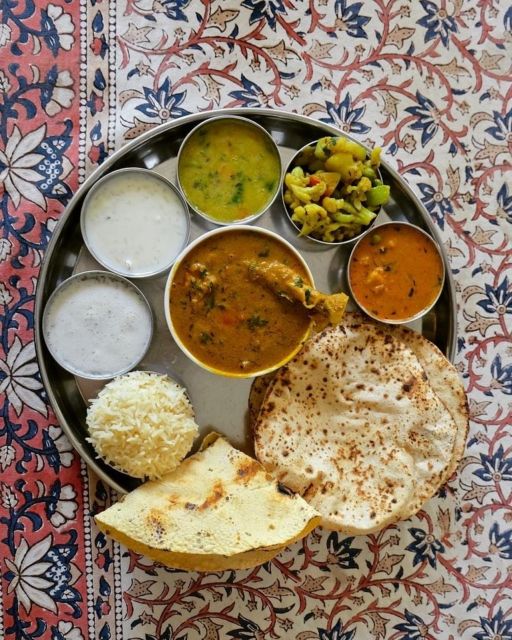
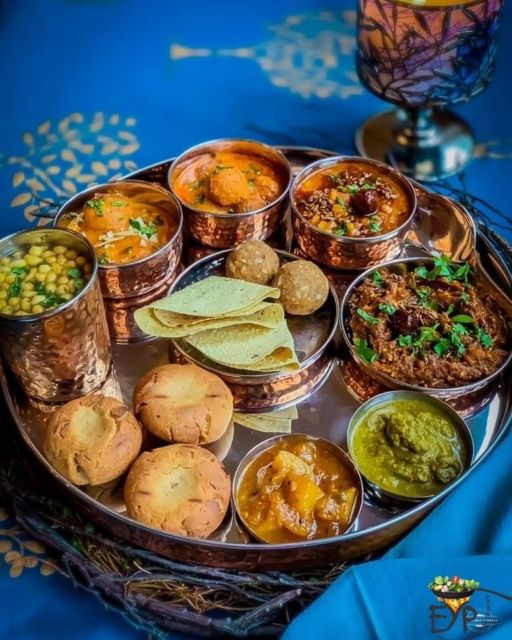
After the cooking comes eating—what you came for, and what they take seriously. The meals include Indian dessert prepared beforehand, so you’ll finish the session the way a home meal ends, not with just bread and curry.
You can expect a spread that typically mixes:
- Multiple vegetable dishes (with curries you likely watched and/or learned)
- And veg and non-veg options, so meat-eaters aren’t left out
- Chapati as a core bread pairing
- A dessert to close
What’s especially valuable here is variety. Indian home meals tend to balance textures: soft breads with thicker gravies, plus lighter sides. Even when you focus on North India staples, you’ll taste how different ingredients behave—how lentils turn creamy, how paneer holds its shape, or how eggplant becomes smoky and soft (when prepared as baigan-style dishes).
If you’re traveling with food questions—like what makes one curry taste different from another—this is a good environment to ask. The host and family are there to help you connect ingredients to outcomes.
Chai welcome and ingredient sourcing talk: more than food trivia
The session starts with a welcome drink and quickly moves into kitchen context. You might learn how ingredients are sourced and why certain spices are used. This is one of those parts that sounds small, but it changes how you cook later.
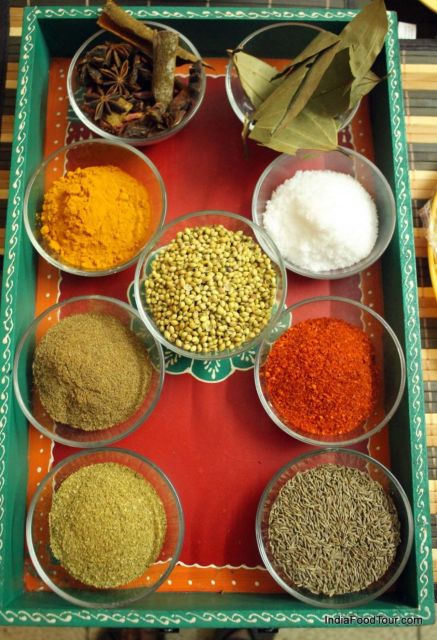
Spices in India are not treated like generic pantry dust. They’re used with intention, and you’ll likely hear about how they’re handled, stored, and combined. Even if you don’t memorize every ingredient list, you’ll leave knowing which spices are doing the heavy lifting and which ones are there for aroma and heat.
It also helps that the host speaks English, so you won’t be stuck guessing. Having a translator-style host matters here because the best parts of Indian home cooking aren’t only in the recipe—they’re in the explanations.
You can also read our reviews of more tours and experiences in Jaipur



Optional henna art in Jaipur: mehndi on your hands
After the meal cooking portion, you can add henna art (mehndi). This is described as optional, and it’s tied closely to Jaipur’s cultural side.
Here’s what to expect:
- You’ll see traditional henna designs explained as part of celebrations
- You’ll watch intricate patterns come to life using natural henna
- Then you get the local artisan touch that makes the design feel authentic, not generic
What makes this worthwhile is that they don’t treat henna like a souvenir add-on. They talk about cultural significance—why mehndi shows up in Indian celebrations, and what the timing and symbolism often represent.
It’s also a fun pairing with the cooking experience. Food is one way to learn a place; body art is another, and it lingers for days as a visual reminder.
The timing: how 3–5 hours usually flows
The whole experience runs about 3 to 5 hours, which is a practical length. Long enough to feel like you did something meaningful, short enough to fit into a busy Jaipur day without wrecking your schedule.
A typical flow looks like:
- Pickup or meeting and welcome drink
- Kitchen intro and North India focus
- Demonstration of key dishes
- Your hands-on time: chapatis + one vegetable curry
- Meal with dessert
- Optional henna with a short cultural explanation
Because it’s a private group, the pace can adapt to you. If you prefer more chatting, you’ll probably get it. If you want to focus on technique and take notes, you can do that too.
Transport and comfort: why AC pickup matters in Jaipur
Jaipur can be warm and traffic can be slow. Having pick-up and drop-off included saves you energy and time. You’re collected from your hotel, airport, or railway station, then returned after the experience.
They include a private vehicle with air conditioning and a chauffeur. Fuel, parking, toll taxes, and interstate taxes are also covered. Bottled water is included, which is another practical win—hydration matters when you’re moving around and spending time outdoors before and after a home visit.
Also, the host guides the experience, so you aren’t trying to coordinate with family members or translate on the fly.
Price and value: why $13 can actually make sense here
At around $13 per person for a 3–5 hour private home experience, the value is strong. The big reason is what’s bundled in, not just the lesson.
You’re getting:
- Home meal experience (lunch/dinner)
- Cooking time with real guidance
- A private English host
- AC chauffeured pickup and drop-off
- Bottled water and government taxes, including GST
Now, one reality check: value doesn’t mean the experience will feel like a high-end, fully choreographed cooking studio. The structure is more home-like. Some dishes will be demonstrated while you do key hands-on tasks, especially breads and one curry. If you want nonstop action at your cutting board, you might feel it’s not as intense as you hoped.
But if your goal is cultural connection plus practical cooking skills, the price is hard to argue with.
Who this is best for (and who may want a different style)
This fits you well if:
- You want authentic Indian home flavors and real conversations
- You’re curious about North Indian cuisine and common everyday dishes
- You want to learn bread basics like chapati technique
- You like experiences with both food and cultural extras like henna
It may be less ideal if:
- You’re specifically searching for a step-by-step “cook everything together from scratch” format
- You expect to do every cooking step alone with full control (that’s not the home rhythm here)
That said, even in the lighter format, you still get hands-on time—so you’re not leaving with only knowledge and no skill.
Small details that make the difference
These are the things that add up to a smoother experience:
- English-speaking host keeps instructions clear
- Private group means you don’t have to share questions or attention
- Tea and other drink options create an easy start
- Dessert is included, so the meal feels complete
- Henna is optional, so you can match it to your schedule and comfort
Also, a name you might hear during the session is Shoaib—mentioned as a key part of making people feel welcome. That kind of warm hosting is a big part of why home cooking experiences work.
Should you book this Jaipur cooking + henna experience?
If you’re choosing between doing another food tour and doing something closer to family life, I’d lean this way. It’s one of the better formats for practical learning: you cook breads, you cook a curry, you eat a full meal, and you have the option to add mehndi that connects food to culture.
Book it if your travel style is:
- hands-on when possible
- chat-friendly
- happy to learn North India staples and take that knowledge home
Skip or reconsider if you want a strict, high-intensity cooking class where you do every single step. The structure is home-style and conversation-led, which is exactly why it can feel so genuine.
FAQ
How long is the Jaipur home cooking experience?
It lasts about 3 to 5 hours.
What does the experience cost?
The price is listed as $13 per person.
Is pickup and drop-off included?
Yes. Pickup and drop-off are included from your hotel, airport, or railway station (or pickup optional from your location).
What language is the host?
The host or greeter speaks English.
Is it a private experience or shared group?
It’s a private group.
Do I cook during the experience or only watch?
You’ll cook. There’s a demonstration, and then you’ll make round chapatis and cook a vegetable curry yourself.
Does the meal include vegetarian and non-vegetarian options?
Yes, you can enjoy both veg and non-veg dishes.
Is henna art included?
Henna art in Jaipur is described as optional, and you can add mehndi with a local artisan.
What’s the cancellation policy?
Free cancellation is available up to 24 hours in advance for a full refund.