REVIEW · KOLKATA
Kolkata: A Sea of Faces and A Thousand Places
Book on GetYourGuide →Operated by Get Local · Bookable on GetYourGuide
Kolkata feels personal on this 6-hour story walk. I love the local guide orientation that helps you read the city fast, and I love the Hooghly ferry moment, including Howrah Bridge in a new light. One consideration: you’ll ride local transport, so traffic and waiting time can stretch the day in real life.
This tour is built around a simple idea: Kolkata doesn’t have to be “explained.” It can be experienced as a sequence of places with a narrator. You’ll move by foot, bus, ferry, and even a classic yellow taxi, ending near College Street for a classic caffeine stop.
In This Review
- Key things that make this Kolkata tour worth your time
- Kolkata by story, not by checklist
- Getting your bearings at Esplanade (and why that meeting spot matters)
- B.B.D. Bagh: Victorian layout meets modern Kolkata
- The food moment: a tea break near the street-food energy
- Howrah Bridge and the ferry: the view you’ll remember
- Hatkhola: old north Kolkata atmosphere with working rhythms
- Kumortuli potter’s colony: where art meets devotion
- Classic yellow cab to College Street and the ideas that built the city
- Group size, timing, and comfort on a hot-city day
- Price and value: why $32 can actually feel fair here
- Who should book this tour (and who might skip it)
- Should you book this Kolkata story tour?
Key things that make this Kolkata tour worth your time
- A small group (up to 6) means you’re not lost in a crowd.
- Smaranika Tram Museum meeting point sets the day up in the center of it all.
- B.B.D. Bagh + Victorian Kolkata context gives you a mental map before you zoom to side streets.
- Ferry on the Ganga/Hooghly for Howrah Bridge views adds motion and drama.
- Kumortuli and Hatkhola show working neighborhoods, not just monuments.
- College Street + Indian Coffee House ending ties history to how people actually think and talk in the city.
Kolkata by story, not by checklist

Kolkata can overwhelm you at first glance. Noise, crowds, traffic, and that constant sense that something is happening. This tour helps you make sense of it without turning the day into a museum sprint.
The tour runs like a film script titled A Sea of Faces and A Thousand Places. Your guide acts as the narrator, linking architecture, street life, and neighborhoods into a single story thread. You’ll hear why places look the way they do, and how daily routines shape the city’s personality.
Also, you’re not just walking past landmarks. You’re riding local transport. That matters because Kolkata is a “moving city.” Roads are part of the story, not just the route.
You can also read our reviews of more tours and experiences in Kolkata.



Getting your bearings at Esplanade (and why that meeting spot matters)
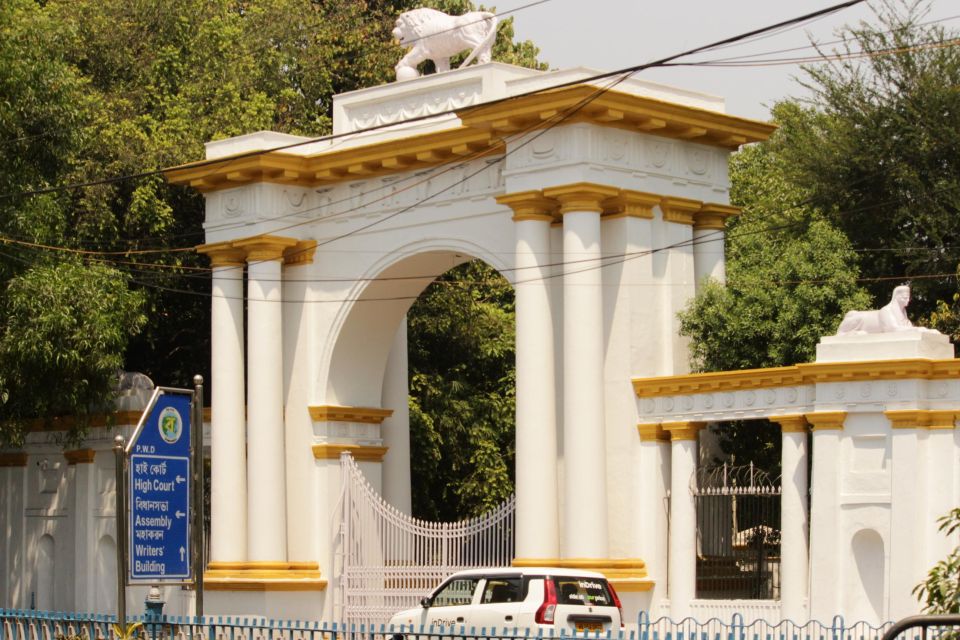
You start in the city core at Esplanade, meeting your guide Shrijit outside the Smaranika Tram Museum entrance. It’s a smart choice because Esplanade is a hub of activity—easy to orient from, and it puts you near the older, central sections of Kolkata without requiring a long commute.
From there, you take a short guided walk (around 30 minutes) through the energy of the area. You’ll get a feel for what Kolkata is like right now: big buildings side-by-side with leafy pockets, and everyday life unfolding in front of you.
What I like here is that you’re not “performing tourism.” You’re watching. A local guide can point out the patterns you’d miss on your own—where people pause, how vendors work, and what kinds of buildings feel tied to the city’s past.
B.B.D. Bagh: Victorian layout meets modern Kolkata

Next comes B.B.D. Bagh, one of the big orientation stops for first-timers. Expect about an hour of guided exploration. This is where the tour turns from street-level observation to city-shaping history.
You’ll learn about how Kolkata grew into the metropolis it is, with a focus on Victorian-era Kolkata and the birth of the city’s modern identity. The guide highlights imperial neo-classical architecture and points you toward the grid-like structure that makes parts of central Kolkata easier to read once you know what you’re looking for.
A practical bonus: B.B.D. Bagh gives you vocabulary. After this, later neighborhoods make more sense. You can spot what’s repeating, what’s new, and what the city keeps rewriting over time.
The food moment: a tea break near the street-food energy
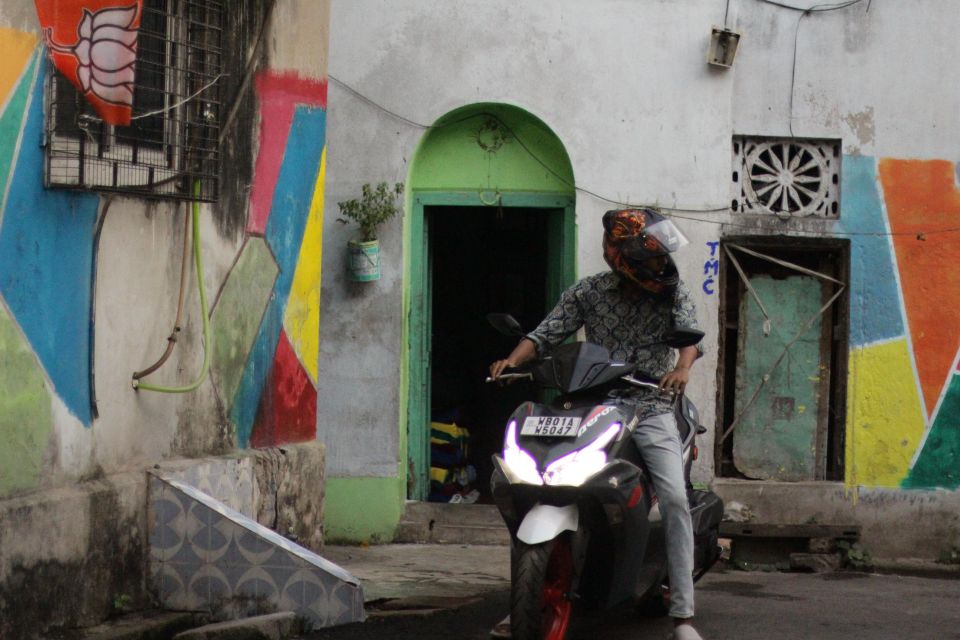
One of the best parts of Kolkata days is eating at the right time and in the right place. After the heritage and architecture, the tour pauses at a street-food alley. Then you get a tea break—usually tea or coffee is included—and you have a chance to snack.
Food isn’t included in the price, so this is partly on you. But the guide’s role is valuable: they help you choose stalls and options that are both delicious and practical, rather than pushing you into tourist traps.
This stop also cools your brain. You stop running from place to place and reset with local flavors. If you’re going in expecting “food as an afterthought,” this day helps you treat it like a core part of culture.
Tip: bring cash. You’ll want it for snacks and anything you decide to buy during the day.
Howrah Bridge and the ferry: the view you’ll remember
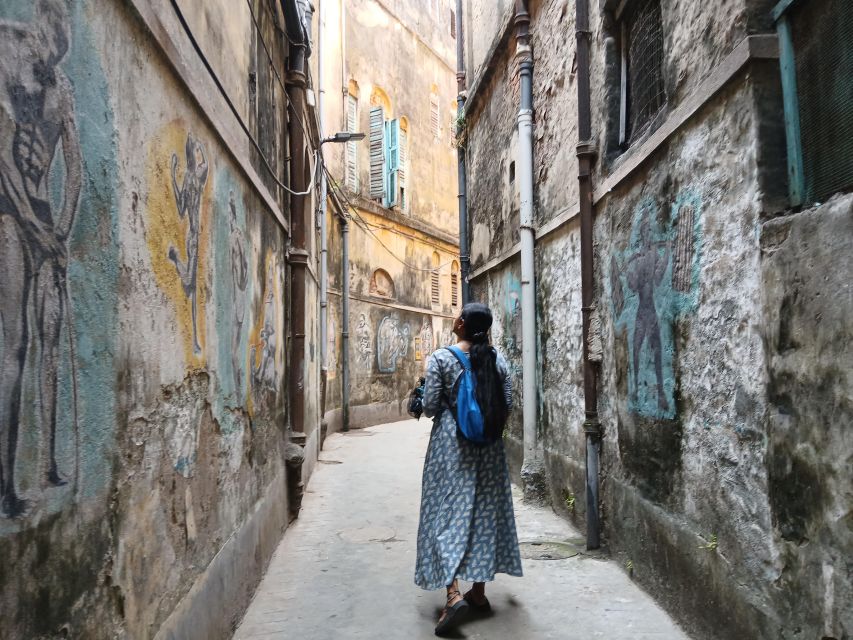
This is the signature stretch. You’ll cross the city by local bus for a short ride, then reach Howrah Bridge for a quick photo stop (about 10 minutes). The bridge is famous, but the tour’s real trick is what comes next: you go to the ferry point and take a ride on the Hooghly/Ganga.
Boarding the ferry is where you get that special Howrah Bridge angle. It’s not just a photo moment from a sidewalk. It’s a moving perspective with wind, river air, and the feeling of time shifting around you.
Plan for at least 20 minutes on the water. Real life includes waiting too, so don’t treat the ferry like an airport gate where everything is exact to the minute. But that’s also why it feels like Kolkata.
If you’re the type who likes cities best when you’re moving through them, this part is for you.




Hatkhola: old north Kolkata atmosphere with working rhythms
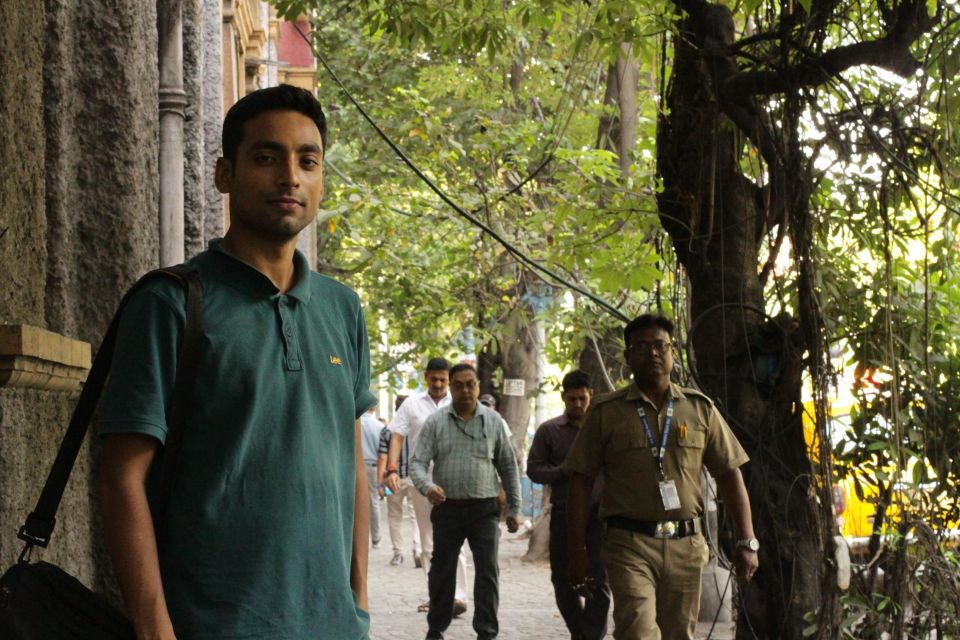
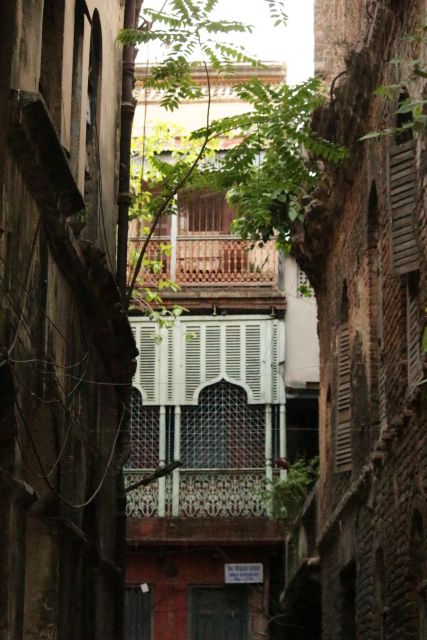
After the river, you head to Hatkhola for a guided look (about 20 minutes). This is where the tour leans into the “old north Kolkata” feel—pre-megapolis life, older occupations, and spiritual threads tied to neighborhood routines.
This isn’t a place built for quick photos. You’ll do better if you slow down and watch. Notice how people move through space, and how daily tasks connect to the city’s identity.
A good guide can also explain what you’re seeing without turning it into a lecture. You’ll get a sense of how community life shapes the look and sound of the streets.
Kumortuli potter’s colony: where art meets devotion
Then comes one of the most loved stops: Kumortuli, the potter’s colony. You’ll have about 30 minutes here, with guided walking and time to see the craft.
Kumortuli is about more than pottery. The tour frames it as the work behind the gods—how artisans build detailed figures using a mix of materials drawn from the river and practical workshop methods. It’s a hands-on kind of cultural experience, even though you’re not doing the work yourself.
What makes Kumortuli valuable is that it shows you the city’s talent and patience. You see the labor behind what you might otherwise only notice during big religious seasons.
If you have limited time in Kolkata, this stop helps you understand the city as a place of making things—not just a place of buildings.
Classic yellow cab to College Street and the ideas that built the city
From Kumortuli, you switch to a classic cab ride (black taxi for about 15 minutes) toward College Street. This is a clever change of pace. You’ve been walking, then riding by bus and ferry. Now you’re in a yellow-and-black Kolkata time capsule, sliding through the city with a local feel.
College Street is where the tour connects Kolkata to freedom stories and intellectual life. You’ll get a guided walk (about 50 minutes) through the neighborhood, listening to how thinkers from the Bengal Renaissance and revolutionary fighters shaped the city’s identity.
This part can feel surprisingly personal if you like ideas—book culture, arguments, student energy, and the long shadow of independence movements.
And the day isn’t just history talk. The story ends at Indian Coffee House, often described as the oldest cafe in India. It’s a fitting finale because it ties together what Kolkata does best: conversation, ideas, and everyday debate.
Practical note: since food isn’t included, you’ll likely pay for what you want to eat or drink here.
Group size, timing, and comfort on a hot-city day
This tour runs for about 6 hours and stays small—limited to 6 participants. That small group size is more than a “nice-to-have.” It helps the guide manage crossings, keep everyone together in traffic, and adjust pacing when someone needs a break.
You should also expect heat and humidity typical of Kolkata. The tour uses short walking segments and frequent stops, but you’ll still be outdoors. Bring water (it’s included as bottled water) and plan to use the tea break and cafe time as recovery points.
One more timing reality: public transit and ferry schedules can be affected by crowding and road conditions. The tour is designed to keep moving, but you shouldn’t schedule anything tight right after.
Price and value: why $32 can actually feel fair here
The price is listed at about $32 per person, and that sounds low compared to many “big city” tours. What makes it make sense is what’s included:
- a local guide
- bottled water
- tea or coffee
You also get a mix of transport modes that you usually wouldn’t combine on your own in a first visit: bus, ferry, and a cab. Transportation costs and food are not included, so you will spend some extra money during the day. But the structure is what you’re paying for: someone local putting the pieces together and keeping the day coherent.
Is it a bargain? For many visitors, yes—because it’s not just about seeing places. It’s about learning how Kolkata works, then getting a confidence boost to explore more on your own afterward.
Who should book this tour (and who might skip it)
This is ideal if:
- you’re visiting Kolkata for the first time and want quick orientation
- you like story-driven guides and city context, not just photo stops
- you enjoy using local transport when it makes the trip better (bus + ferry here is the point)
- you want working neighborhoods like Kumortuli instead of only government buildings
It’s not ideal if:
- you need wheelchair access (the tour isn’t suitable for wheelchair users)
- you’re over 70 (the tour states it’s not suitable for people over 70)
If you’re on the fence, think about your style. If you prefer calm, minimal movement, Kolkata day trips can feel like a lot. If you like energy and learning by watching, this day fits.
Should you book this Kolkata story tour?
I’d book it if you want a Kolkata experience that feels like a guided local day rather than a checklist. The combination of B.B.D. Bagh orientation, the Hooghly ferry with Howrah Bridge views, and Kumortuli’s craft is a strong lineup—especially for a first visit.
Skip it only if your main goal is purely landmark photography or if you need a fully predictable, low-mobility pace. Otherwise, bring cash, wear comfortable shoes, and expect a day that tells you why Kolkata looks the way it does and how people live inside it.