REVIEW · KOLKATA
Kolkata: Guided Heritage Walking Tour
Book on GetYourGuide →Operated by 5 Senses Tours · Bookable on GetYourGuide
Kolkata history hits hardest when you walk it. This colonial heritage tour strings together major British-rule landmarks, so you get the story of how the city took its modern shape. I really like the St John’s Church stop, especially the Last Supper painting, and I also love how the route finishes at the Victoria Memorial, where Victorian architecture feels real against today’s streets. When the guide is strong—like Anirban, who’s known for deep, organized explanations—you’ll come away feeling like you can name what you’re looking at.
One thing to plan for: the walk can be hot, and key sites shift depending on the day. St John’s Church is closed on Sundays (you’ll see St Paul’s instead), and the Victoria Memorial Museum is closed on Fridays.
In This Review
- Key highlights worth knowing
- Writers’ Building: where the colonial bureaucracy starts
- Job Charnock’s mausoleum and the founder story that won’t stay simple
- St John’s Church and the Last Supper painting (with a Sunday switch)
- Governor’s House: where Wellesley’s era shows in the buildings
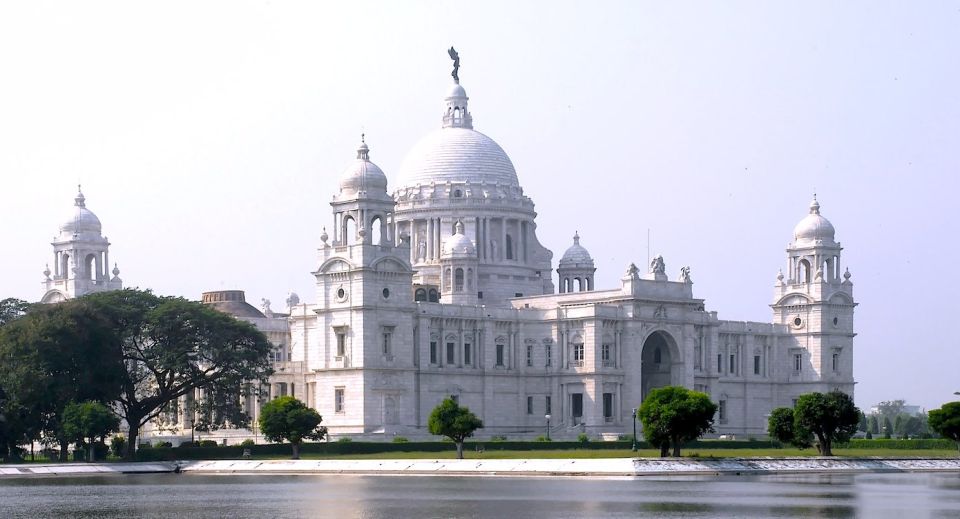
- Victoria Memorial: the Victorian finish you’ll feel immediately
- How long this walk takes, and how to handle Kolkata heat
- The guide makes or breaks the experience
- Price and value: is $63 worth it?
- Meeting point and ending plan: easy to navigate
- Should you book this Kolkata heritage walk?
- FAQ
- How long is the Kolkata guided heritage walking tour?
- What is the price per person?
- Where do I meet the guide?
- Where does the tour end?
- Is hotel pickup and drop-off included?
- Is the tour private or shared?
- What language is the guide?
- What are the key sights on the route?
- Is St John’s Church always open during the tour?
- Is the Victoria Memorial Museum open every day?
Key highlights worth knowing
- St John’s Church Last Supper: a memorable colonial-era artwork stop (with a Sunday swap)
- Victoria Memorial finish: pure Victorian marble energy, then you end right where you’ll want photos
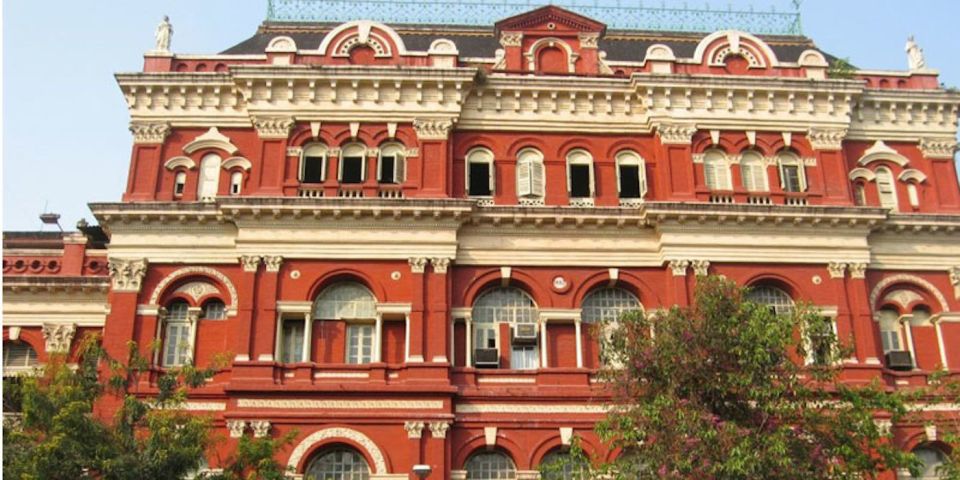
- Writers’ Building context: built in 1777 for East India Company bureaucracy, now a working government seat
- Job Charnock story with a modern twist: the “founder” narrative is challenged by a High Court ruling
- Governor’s House exterior-only feel: a working office, so expect architecture and interpretation more than interiors
- Small-group or private options: English-guided, with light refreshments to keep you going
Writers’ Building: where the colonial bureaucracy starts
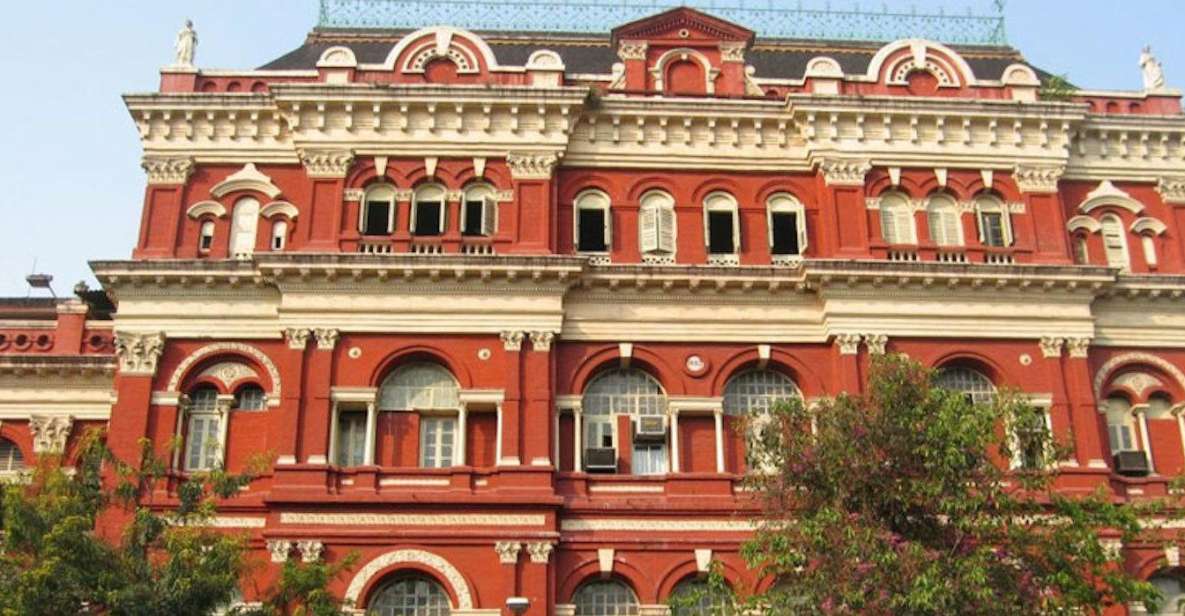
The tour first meets you outside Writers Building, built in 1777. It’s a Greco-Roman-style building, and for a long stretch it served as the lower bureaucracy for the East India Company. Today it still has a job to do: it’s the seat of the West Bengal state government.
That “working office” detail matters. You’re not coming here for a museum-style walkthrough. You’re here to read the building from the outside and let your guide connect the architecture to the machinery of empire. From a practical viewpoint, it’s a great warm-up stop too—your brain starts framing the rest of the city before you move on.
You can also read our reviews of more walking tours in Kolkata

Job Charnock’s mausoleum and the founder story that won’t stay simple
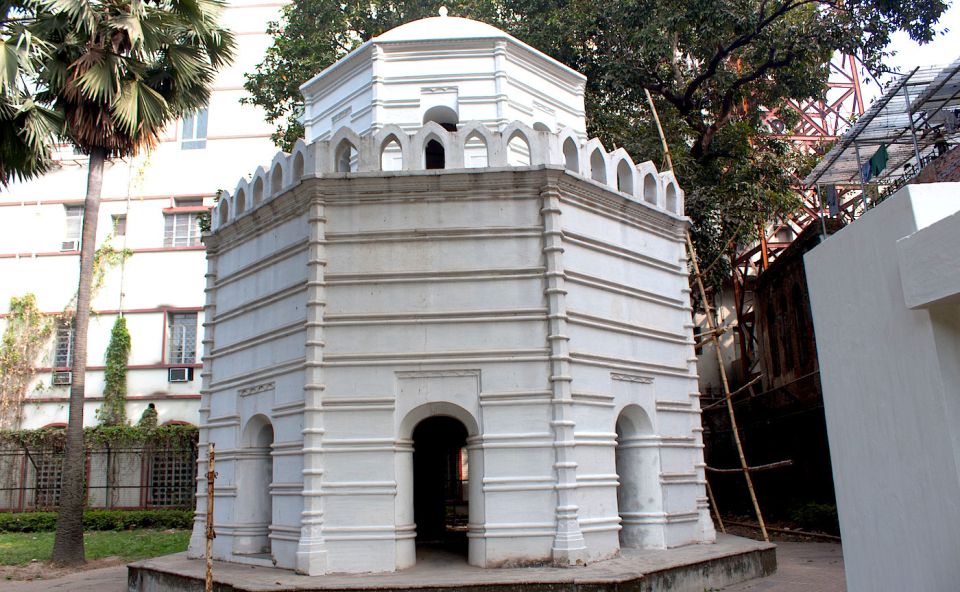
Next you walk to the Mausoleum of Job Charnock. The guide frames Charnock as a key early figure: in 1690 he bought villages including Sutanuti, Gobindapur, and Kalikata, which later grew into the East India Company’s capital in the region.
Then comes the modern correction: a High Court ruling has discredited him as the founder of the city. That’s not just trivia. It changes how you think about Kolkata’s origins—less as a single heroic tale, more as a layered, contested history. If you enjoy history with facts that can be updated, this stop will land well.
St John’s Church and the Last Supper painting (with a Sunday switch)
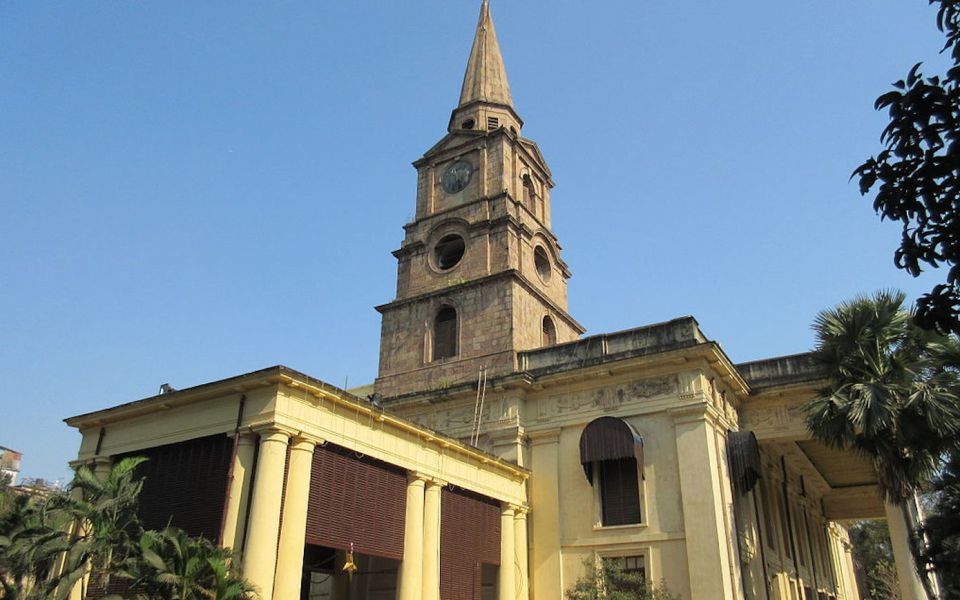
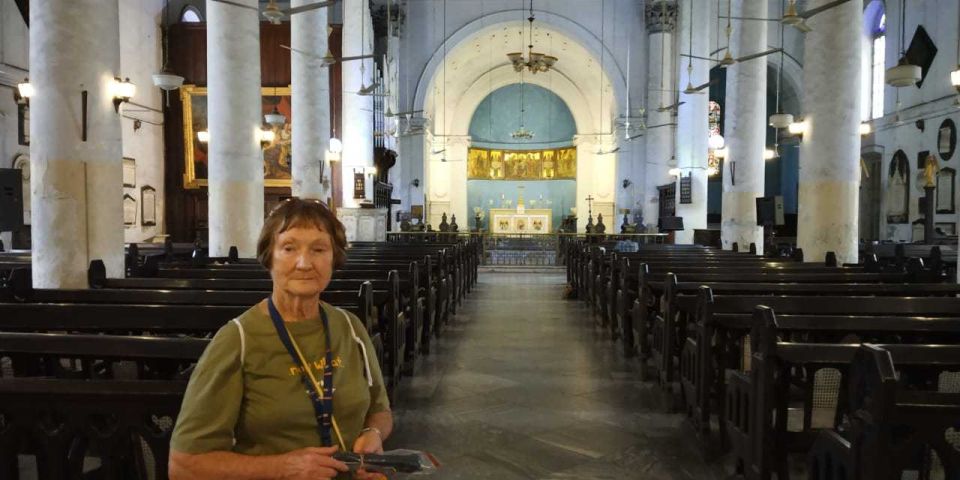
St John’s Church is one of the big wow moments. The stone building dates to 1787, and it became the principal cathedral in the region in 1815. Then there’s the reason many people remember this tour: a painting of the Last Supper on the church walls.
Day-of-week matters. On Sundays, St John’s Church will be closed, and the tour will swap this visit for St Paul’s Cathedral instead. If you’re choosing your travel dates, it’s worth keeping that in mind. You’ll still get a major church stop, but the specific Last Supper artwork point won’t be the same.
Governor’s House: where Wellesley’s era shows in the buildings
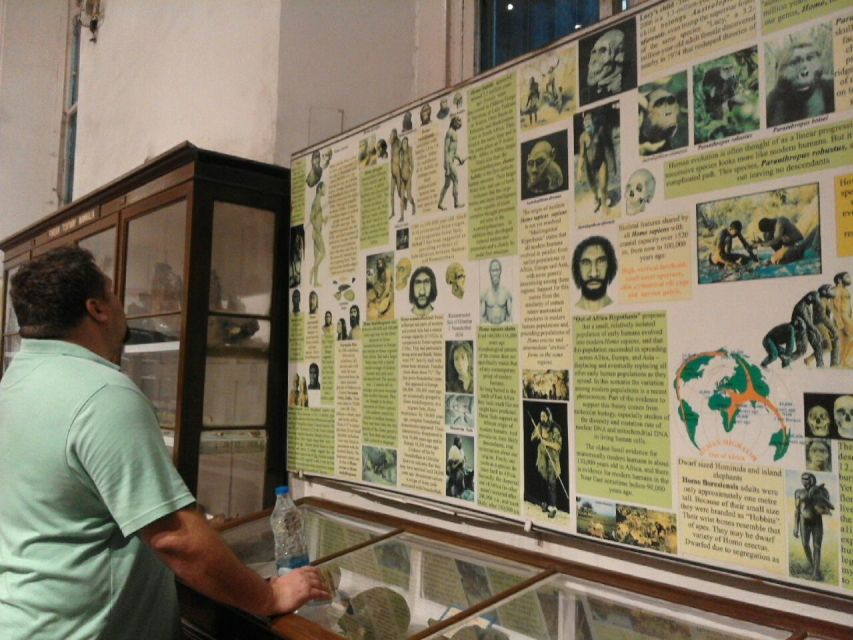
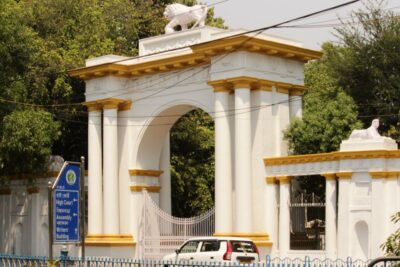
After the church, you head to the Governor’s House, built for the Marquess of Wellesley. Wellesley came to Kolkata as Governor General of the East India Company in 1798, and the building is tied to the period when the British Crown’s control expanded during the colonial era.
Architecturally, it’s described as Neoclassical with Baroque overtones. In plain terms: you’re looking at a structure that mixes formal order with old-world drama. Your guide’s job here is to connect design to power—how government buildings weren’t just offices, they were messages.
Also expect another exterior-first stop. It’s a working office, so you’ll generally see it from the outside, then move on with your interpretation.
Victoria Memorial: the Victorian finish you’ll feel immediately
The last stop is the Victoria Memorial, built from marble and often described as the place where Victorian Kolkata feels most alive. This is where the tour really earns its ending: the site gives you that sense of time and style, sitting in the middle of the everyday motion of modern Kolkata.
It’s also a useful practical location. Your walking tour terminates here. If you picked the hotel transfer option, you’ll be dropped off at your hotel afterward. If you chose to meet at a fixed point, you can ask your guide for help finding local transport or booking a taxi.
One timing detail that affects what you can do on-site: the Museum at Victoria Memorial will be closed on Fridays. If you’re traveling on a Friday, plan your museum time around another day, or just treat the memorial itself as the main event.
You can also read our reviews of more guided tours in Kolkata

How long this walk takes, and how to handle Kolkata heat
The duration is 2.5 to 3 hours, and it’s a true walking route through central sights. That short timeframe is a plus when your energy is limited, but it doesn’t remove the reality of weather. One of the most direct bits of feedback tied to comfort is that the walk can be hot and uncomfortable.
So pack like it’s a half-day in the sun: breathable clothes, water, and shoes that don’t hate uneven sidewalks. The tour includes light refreshments, which helps, but you still shouldn’t rely on that alone.
Two more comfort notes from the logistics side:
- The tour isn’t suitable for people with mobility impairments.
- Many buildings along the route are working offices, so you won’t get a lot of slow inside time to escape the heat.
The guide makes or breaks the experience
This is an English live guide tour, either private or small groups. You’re paying for more than landmark photos—you’re paying for narration that ties the city’s layout to the colonial system that shaped it.
Strong guiding shows up in how smoothly the story flows. One guide example that stands out is Anirban, praised for being extremely well versed and for explaining the British Raj era with real depth. That kind of guide doesn’t just recite dates—they help you connect what you see: the bureaucracy start at Writers’ Building, the early company era through Charnock’s story, the religious symbolism at St John’s (or St Paul’s on Sundays), and the governance message at Governor’s House, before the final Victorian monument.
There can also be a downside if you expect lots of access. Some stops are mainly exteriors, since offices are in use. If you’re the type who wants inside rooms at every stop, set expectations early and focus on architecture plus interpretation.
Price and value: is $63 worth it?
At $63 per person for roughly 2.5–3 hours, this sits in the category of guided city experiences rather than budget free-walking. The question is what you actually get. Here, the value is in the mix of:
- a professional guide
- entrance fees
- light refreshments
- optional hotel pickup and drop-off
Entrance fees matter because you’re not just passing by. The tour includes real stops (not only street corners), and your guide helps you make sense of why they mattered. The light refreshments are also a small but practical touch in warm weather.
Where you might feel the cost less “worth it” is if you’re looking for a lot of interior access. Since several key sites are working spaces, much of the experience is observation and explanation.
Meeting point and ending plan: easy to navigate
You meet your guide outside the entrance of Writers Building, which is easy to reach by Uber or local taxi. Then you finish at Victoria Memorial.
If you choose the hotel transfer option, you’ll be dropped off at your hotel after the tour. If you choose the meeting-point option, you can still get practical help from your guide with transport or a taxi. Either way, you don’t end stranded with only one decision: you end at a major hub.
Should you book this Kolkata heritage walk?
Book it if you want a first-rate orientation to Kolkata’s colonial-era landmarks in just a few hours. You’ll like it especially if you enjoy British-rule context, architectural clues, and fact-based stories that include modern corrections (like the Charnock founder dispute).
Skip or choose a different option if you’re sensitive to heat, require lots of step-free or interior access, or you hate “working office” stops where you’ll mainly see exteriors. Also note day-based changes: Sundays swap St John’s for St Paul’s, and Fridays limit the Victoria Memorial Museum visit.
If your goal is to leave Kolkata able to connect what you see to the city’s evolution, this tour is a strong way to do it without spending your day guessing.
FAQ
How long is the Kolkata guided heritage walking tour?
It runs about 2.5 to 3 hours.
What is the price per person?
The price is $63 per person.
Where do I meet the guide?
Meet the guide outside the entrance of Writers Building.
Where does the tour end?
The walking tour terminates at Victoria Memorial.
Is hotel pickup and drop-off included?
Hotel pickup and drop-off are included only if you select that option.
Is the tour private or shared?
You can choose private or small groups.
What language is the guide?
The live guide speaks English.
What are the key sights on the route?
The tour includes stops at Writers Building, the Mausoleum of Job Charnock, St John’s Church (or St Paul’s on Sundays), the Governor’s House, and Victoria Memorial.
Is St John’s Church always open during the tour?
No. St John’s Church is closed on Sundays, and the tour instead visits St Paul’s Cathedral.
Is the Victoria Memorial Museum open every day?
The Victoria Memorial Museum is closed on Fridays.