REVIEW · MUMBAI
Dhobi Ghat Laundry and Dharavi Slum Tour with Local Train
Book on GetYourGuide →Operated by India Trip Explore · Bookable on GetYourGuide
Laundry is a city story in Mumbai. You get the sensory overload of Dhobi Ghat and then jump onto a local train to see how Mumbai functions at street level, not in brochure mode.
What I like most is watching the dhobis at work up close, handwashing and drying clothes in open-air troughs while you learn the practical flow of sorting, washing, and ironing. I also like that the guide brings the Dharavi walk down to specifics, with local insight into daily life, workshops, and street-market business.
One consideration: this tour deals with very real poverty and dense living conditions. Go with a respectful mindset and expect that it may feel intense, especially if you’re sensitive to uncomfortable scenes.
In This Review
- Key things that make this tour worth your time
- Dhobi Ghat Viewing Deck: where you start seeing the system
- Dhobi Ghat walk: handwashing, drying, and the rhythm of work
- The Mumbai local train ride: a short hop with big context
- Arriving in Dharavi: the walk is where meaning forms
- Narrow alleyways and workshops: what to watch for
- Photo stops in Dhobi Ghat and Dharavi: useful, not just for Instagram
- Guides, English, and staying comfortable in traffic
- Price and value: what $13 gets you in real life
- Is 3 hours enough?
- Where you end: finishing at a hospital area
- Who this tour suits best (and who might want a different option)
- Quick checklist before you go
- Should you book this Dhobi Ghat and Dharavi local-train tour?
- FAQ
- How long is the tour?
- How much does it cost?
- Where does the tour start and end?
- Is there a local train ride included?
- What’s included in the price?
- Is food included?
- What language are the tours offered in?
- Are there ticket lines to worry about?
- What if I need to cancel?
Key things that make this tour worth your time
- Dhobi Ghat from the viewing deck, with a focused look at how the outdoor laundry system runs
- Guided walking through the laundry area, including photo stops and time to see the work firsthand
- A short local train ride (10 minutes) that ties together two very different parts of Mumbai
- Dharavi on foot for about 2 hours, led by local residents with context on community life and work
- Workshop and street-market views inside Dharavi, not just photos from a distance
- Water included, but no food—plan for snacks if you get hungry
Dhobi Ghat Viewing Deck: where you start seeing the system
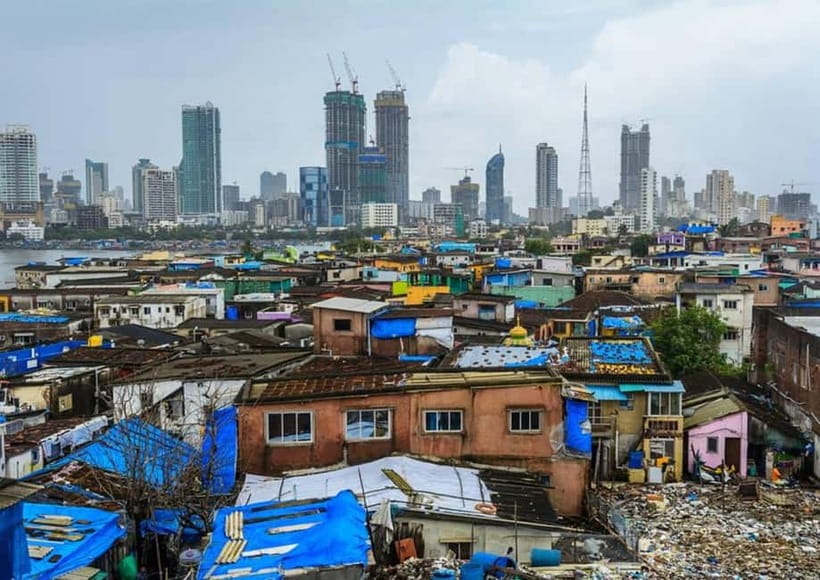
Dhobi Ghat is one of those places where the first minute tells you you’re in a working world, not a set. You start at the Dhobi Ghat Viewing Deck, which is a good way to get oriented before you walk into the action. From there, you can take in the sheer scale: hundreds of washers working with methodical routine, handwashing and drying clothes in open air.
The viewing deck is also useful for managing expectations. It lets you understand that what you’re seeing is organized labor. Clothes aren’t just dumped in water and hoped for the best. You’ll get a guided explanation of how garments are sorted, washed, and then ironed as part of the day-to-day laundry cycle. Even if you only catch parts of the workflow, the overall logic becomes clear quickly: this is how jobs and services move through Mumbai.
You’ll have a photo stop built in early. I like this timing because you’re not scrambling later with your brain overloaded. Take a few pictures, then shift to watching details: hands, water, cloth handling, and the way workers keep moving. That’s where the real story is.
You can also read our reviews of more tours and experiences in Mumbai.

Dhobi Ghat walk: handwashing, drying, and the rhythm of work
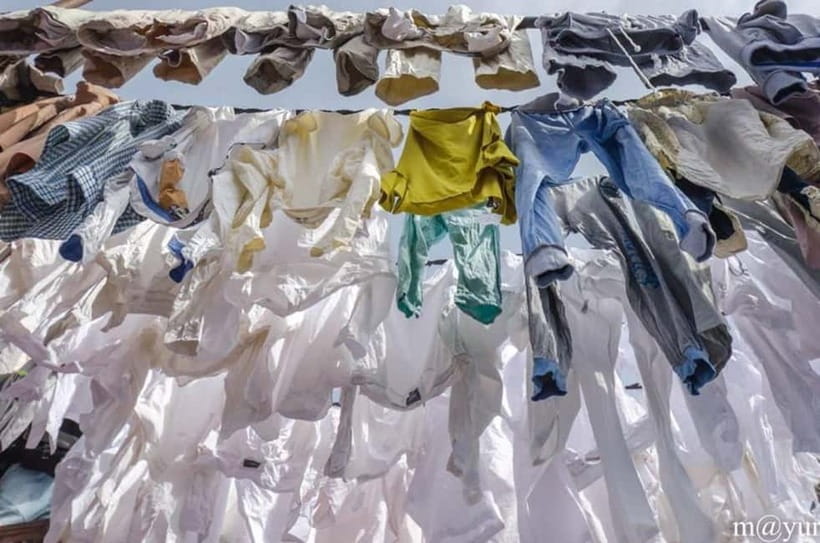
Next comes the time in the laundry area—about 30 minutes of photo stop, visit, guided tour, and walking. You’ll see the dhobis working with a steady pace: clothes handled by hand, dried in the open, and managed as a continuous stream of laundry rather than a one-off project.
The most valuable part here is the guided context. It’s easy to look at the scene and only think, This is intense. The guide helps you interpret what you’re seeing: the sorting process, the washing workflow, and how ironing fits into keeping laundry moving. When you understand the steps, the place stops being just a visual shock. It becomes a functioning service system.
A small but important practical point: this is an outdoor setting with heavy foot traffic around work zones. Wear comfortable shoes you can stand in. Plan to move slowly at first so you can take in what you’re seeing without bumping into people who are working.
If you care about photography, you’ll probably get the shots you want, but still keep your distance when needed. The workers are doing real jobs. Quick questions to your guide before you point a camera can help you avoid awkward moments and keep things respectful.
The Mumbai local train ride: a short hop with big context
Then you transition to the local train ride—just 10 minutes, but it matters. This isn’t a scenic detour. It’s a reminder that Mumbai’s laundry and neighborhood economies sit inside a transportation network that millions rely on daily.
Because the train is part of normal life, the ride gives you a different kind of “tour moment.” You’ll pass markets, taller buildings, and historic landmarks along the way, which helps you connect the dots between what you see in Dhobi Ghat and what you learn later in Dharavi.
What I like about including the train is that it changes your perspective fast. You stop thinking of these areas as separate “sights” and start seeing them as linked through daily movement. Ten minutes isn’t long enough to master the system, but it’s long enough to shift your mental map.
Arriving in Dharavi: the walk is where meaning forms
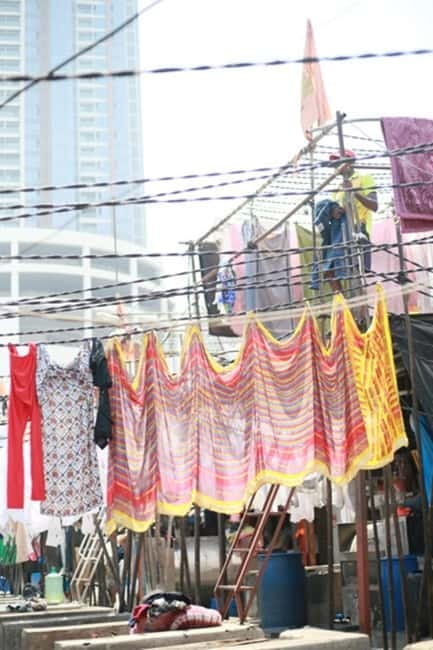
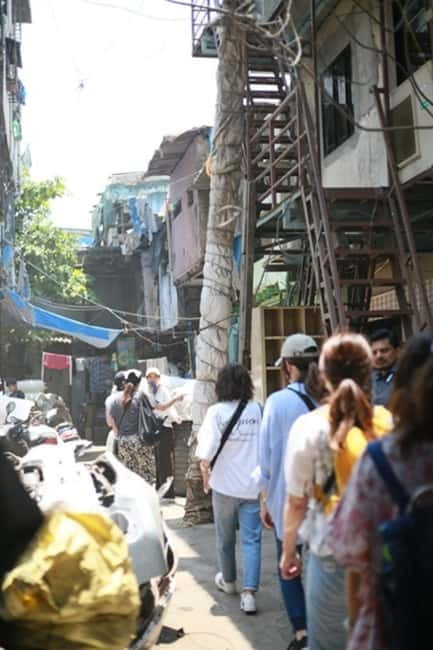
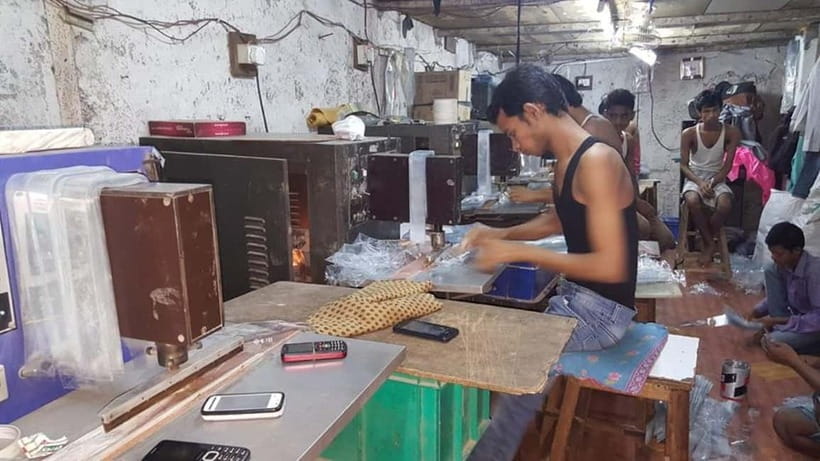
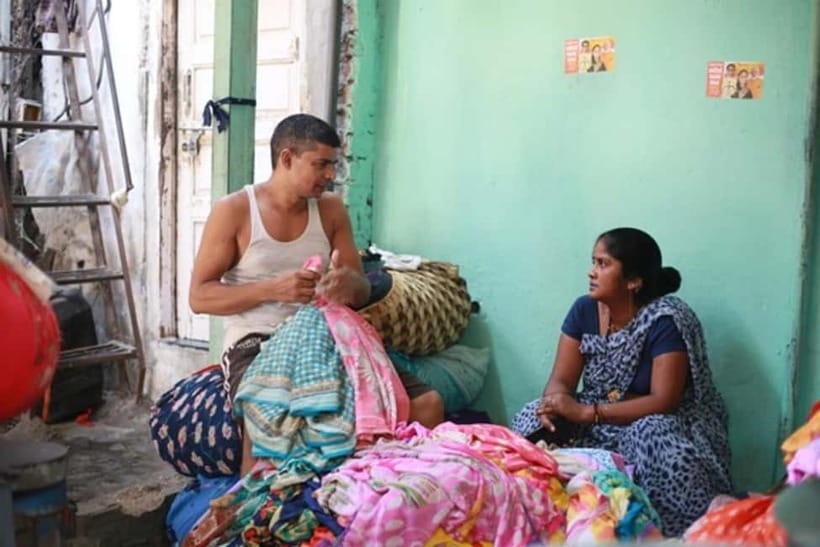
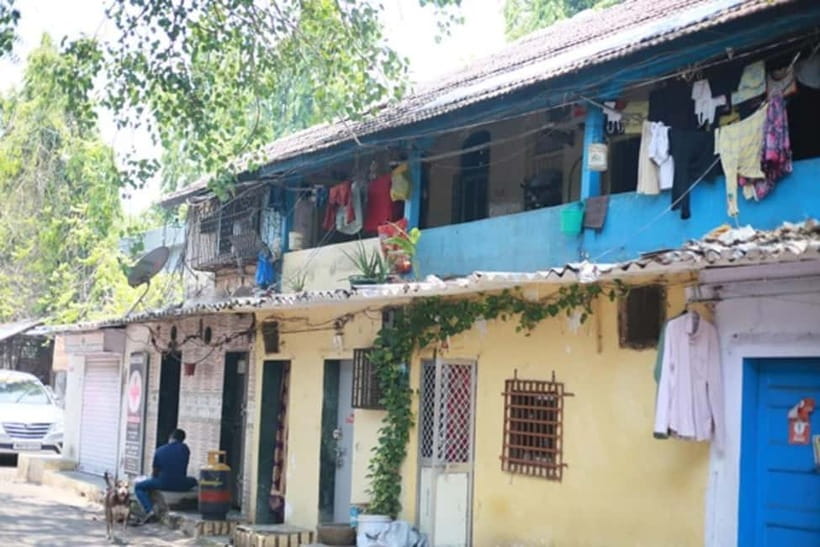
Your Dharavi portion is about 2 hours of photo stop, visit, guided tour, sightseeing, and walking. The difference here is that Dharavi isn’t presented as a single viewpoint. It’s shown through narrow alleyways, workshops, and street-market activity—places where people work, sell, and build businesses right where they live.
A key detail: the guide is led by local residents. That matters because Dharavi is full of nuance that doesn’t translate well if you only look from the outside. With local guidance, you get explanations tied to everyday life—how work is organized, how people adapt, and how local economic activity shapes the neighborhood.
You’ll also likely get some interaction with residents. That’s not just for conversation. It’s part of how the tour challenges simple assumptions. Dharavi isn’t only defined by hardship. It’s also defined by planning, skill, and entrepreneurship—people turning limited space into productive work areas.
Narrow alleyways and workshops: what to watch for
In places like this, the most interesting details are the small ones. Watch the flow: how people move through tight spaces, how small businesses manage customers, and how workshop activity shapes the day. Even if you’re not told every trade name or technique, the overall pattern is visible.
This portion can feel intense. Dense living conditions can be emotionally heavy. If you want a smoother experience, pace yourself. Take breaks when your guide stops for photos or questions. Don’t feel you have to process everything at once.





Photo stops in Dhobi Ghat and Dharavi: useful, not just for Instagram
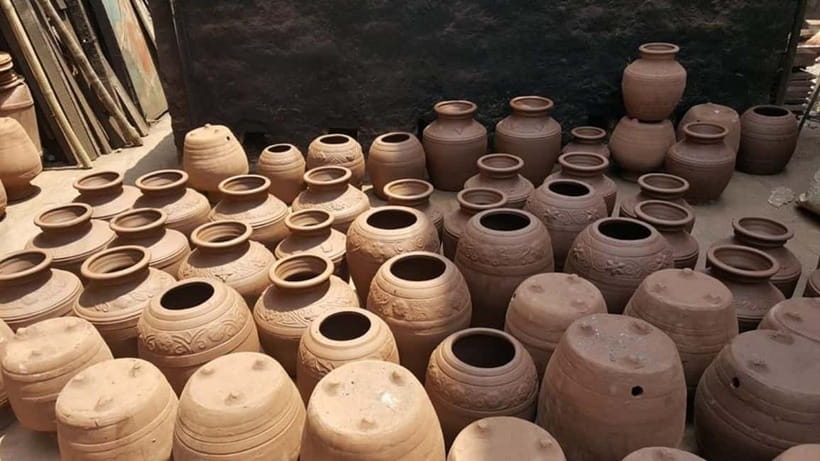
Both locations include photo stops. I like having them because they give you permission to pause and reframe what you’re looking at. Photos also help you slow down later, when you want to remember what you actually saw—especially in Dharavi, where every turn changes the scene.
Still, photos here come with responsibility. You’re dealing with people in daily work and homes. Your best move is to let your guide set the tone, and avoid photographing faces at close range unless you have a clear reason and permission.
A practical tip: take fewer photos, but take them thoughtfully. Capture signage, workshop areas, laundry workflow moments, and wider views that show context. Your brain will thank you later.
Guides, English, and staying comfortable in traffic
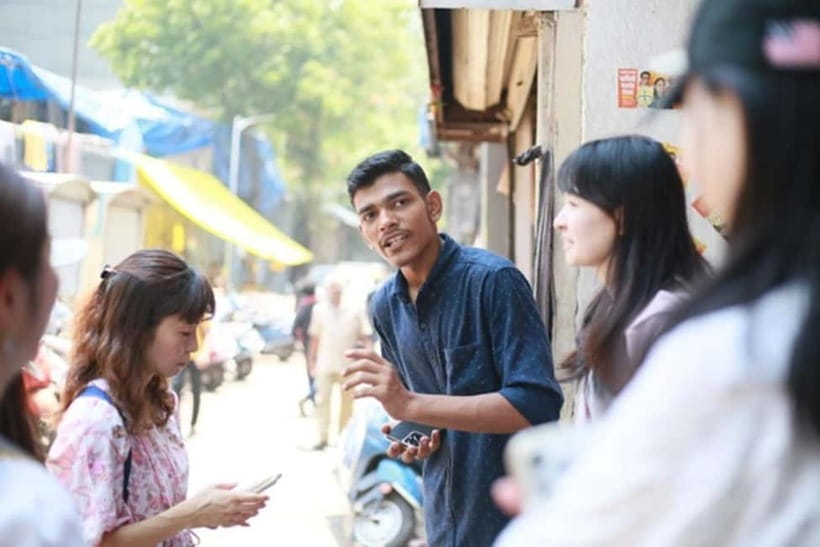
This tour includes a local English-speaking tour guide, and the guide portion is a big part of the value. You’re not just watching. You’re learning how to interpret: what the laundry workflow means, and how Dharavi’s daily life and community economy function.
The tour also includes travelling fees and a local train ride, so you’re not handling transport logistics yourself. In real terms, that reduces stress. Mumbai traffic can be a lot to deal with, and having someone keep the group moving in the right way helps you stay focused on the experience.
In particular, guides like Abhi are known for being friendly, explaining details clearly, and pointing out small observations people might miss on their own. That style matters here. Dhobi Ghat and Dharavi are both places where the meaningful stuff is easy to overlook if you only skim the surface.
Price and value: what $13 gets you in real life
At $13 per person for a 3-hour experience, the value is about what’s included—not just the price tag. You get:
- a local English-speaking guide
- entry tickets
- travelling fees
- a local train ride
- water
For a tour in Mumbai that includes both Dhobi Ghat and Dharavi plus transit, that’s strong value. The local train ride alone can be a reason to book, because it’s not always simple for first-timers to time and navigate confidently.
What’s not included is food and drinks. The tour provides water, so you’re covered for hydration during the session, but you should plan to grab a snack before or after if you need food. If you’re easily distracted by hunger, think ahead—this kind of tour runs on attention and quick impressions.
Is 3 hours enough?
Three hours is tight but doable. Dhobi Ghat gives you the “what you’re seeing” foundation. Dharavi gives you “how to read what it means.” If you want long, slow wandering time, this may feel fast. But if you want a compact, high-impact introduction, it’s well timed.
Where you end: finishing at a hospital area
The tour finishes at Sai Multispeciality Hospital & Research Centre. That ending point can be convenient if you’re continuing your day nearby, but it’s something you should plan around. If you’re planning a later appointment or long commute, check your next transport option before you go.
Who this tour suits best (and who might want a different option)
This is a great fit if you like structured seeing—someone guiding you through two very different parts of the city with enough context to make the experience land. It also suits you if you enjoy public transport as part of the story, not as an annoying necessity.
You might want to skip or reconsider if:
- you’re not comfortable with crowded, close-up urban realities
- you prefer only “lighter” sightseeing
- you want a more leisurely pace with less walking time
On the flip side, if you’re curious and open-minded, this tour has a way of changing your thinking. Not through lectures. Through what your eyes and ears experience in real time.
Quick checklist before you go
Not every detail is provided by the tour itself, so I recommend you show up ready:
- comfortable shoes for outdoor walking in both Dhobi Ghat and Dharavi
- a phone with enough battery for photo stops
- light layers, since Dhobi Ghat is outdoors
- plan to eat before or after since food is not included
Should you book this Dhobi Ghat and Dharavi local-train tour?
Book it if you want a compact but serious look at Mumbai’s working systems: laundry as an organized service and Dharavi as a neighborhood of daily labor and small-scale industry. The local train ride is a practical bonus that connects the two worlds quickly.
Skip it if you want a low-intensity experience or you’re not ready for what you’ll see in a real, dense urban community. This isn’t designed to be comforting. It’s designed to be clear.
If your goal is to understand Mumbai beyond postcards—with a guide who can explain what you’re looking at and help you navigate transit—this tour is a strong choice for the money and the time.
FAQ
How long is the tour?
The tour lasts 3 hours.
How much does it cost?
It costs $13 per person.
Where does the tour start and end?
It starts at the Dhobi Ghat Viewing Deck and finishes at Sai Multispeciality Hospital & Research Centre.
Is there a local train ride included?
Yes. The tour includes a local train ride as part of the experience.
What’s included in the price?
Included are a local English-speaking tour guide, entry tickets, travelling fees, the local train ride, and water.
Is food included?
No. Food and drinks are not included.
What language are the tours offered in?
The tour guide speaks English.
Are there ticket lines to worry about?
The tour includes skip-the-ticket-line handling.
What if I need to cancel?
Cancellation is free up to 24 hours in advance for a full refund.