REVIEW · JAIPUR
Hands-on Block Printing Workshop
Book on GetYourGuide →Operated by Creatis · Bookable on GetYourGuide
Block printing turns ink into wearable art. In this Rajasthan workshop, you’ll get a hands-on lesson, then print your own scarf or sarong with Sanganeri-inspired designs in just two hours.
I especially like how fast you move from a short overview to real printing, and how the process becomes almost meditative once you start repeating the patterns. One thing to consider: the technique has layers and rules, so your first prints may need guidance to look crisp.
In This Review
- Key things to know before you go
- Block Printing in Rajasthan: What You’ll Actually Make
- Your 2-Hour Timeline: From Tools to Your Own Pattern
- The Wooden Blocks: How Gad, Rekh, and Datte Work Together
- Layering With Water-Based Pigments: Making Patterns Look Intentional
- Choosing Your Design: Sanganeri-Inspired Options With Real Artistic Feel
- Meet the People Behind the Prints: Support That Fixes Real Errors
- Studio + Craft Production Nearby: Watching Pros Helps You Print Better
- Price and Value: Why $24 Makes Sense for What You Get
- Who Should Take This Workshop (And Who Might Skip It)
- What to Bring (So You Don’t Worry While You Print)
- Tips to Get Better Prints in Your First Session
- Should You Book This Block Printing Workshop?
- FAQ
- How long is the block printing workshop?
- How much does it cost?
- What is included with the workshop?
- What languages are the instructors available in?
- How many people are in each group?
- Do I need to bring my own materials?
- What should I wear?
- Is free cancellation available?
- Can I reserve and pay later?
Key things to know before you go
- Small group size (up to 10) means you get real attention while you print
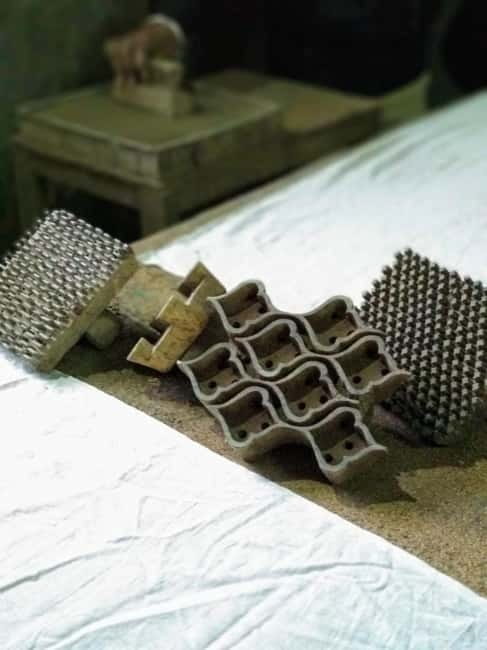
- You learn the building blocks of design: Gad (ground), Rekh (outline), Datte (filler)
- The workshop focuses on layering using water-based pigments for richer patterns
- You take home a pico-stitch scarf or sarong you made yourself
- You can choose from multiple intricate designs inspired by Sanganeri prints
Block Printing in Rajasthan: What You’ll Actually Make
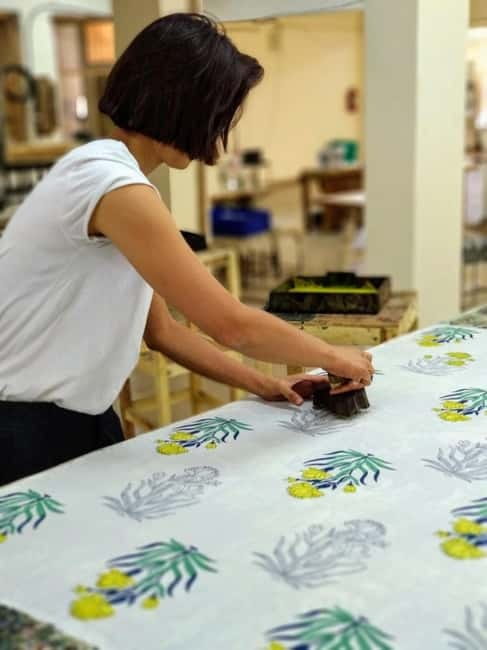
You’re coming to Rajasthan for a workshop that ends with something you can wear or give away. The included take-home item is a pico-stitch scarf or sarong, made from the fabric you print during the class.
The best part is that you’re not just stamping one fixed pattern. You’ll select a design, then apply it with the block-print approach—meaning the end result looks like it belongs to you, not a souvenir made by someone else.
You can also read our reviews of more tours and experiences in Jaipur

Your 2-Hour Timeline: From Tools to Your Own Pattern
This class is structured for momentum. You start with an introduction to block printing—history and cultural significance included—then you move into hands-on practice with the actual tools.
Expect a short demo-style setup, then your turn. The instructor and support team guide you through choosing a design, practicing with the wooden blocks, and working through color and layering decisions so you end with a real finished textile. With a group capped at 10, you’re not stuck watching while everyone else prints.
The Wooden Blocks: How Gad, Rekh, and Datte Work Together
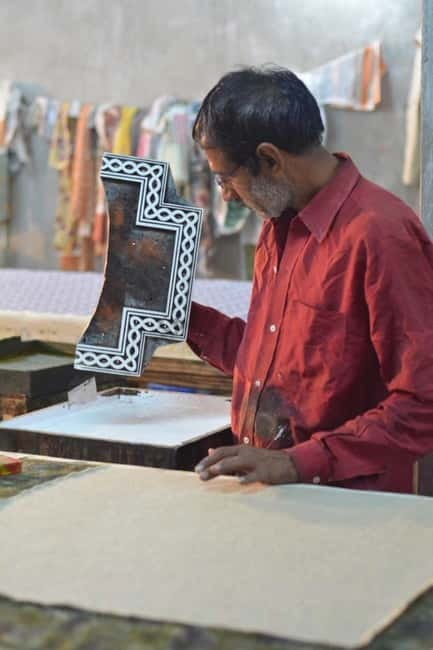
Block printing isn’t magic, it’s math plus art. You’ll learn the core design system behind many traditional prints:
- Gad (Ground): the base fill that sets the overall texture or pattern field
- Rekh (Outline): the lines that define shapes and create clarity
- Datte (Filler): small added motifs that bring rhythm and balance
That breakdown matters because it stops you from thinking you need one perfect stamp. Instead, you build a motif in layers. When you understand what each block role does, you can make smarter choices even if you don’t consider yourself artistic.
It also explains why block printing looks so controlled. The technique creates order without killing creativity.
Layering With Water-Based Pigments: Making Patterns Look Intentional
Your workshop isn’t limited to one color pass. You’ll practice printing with layering—either a motive design (a focal pattern) or an all-over design approach.
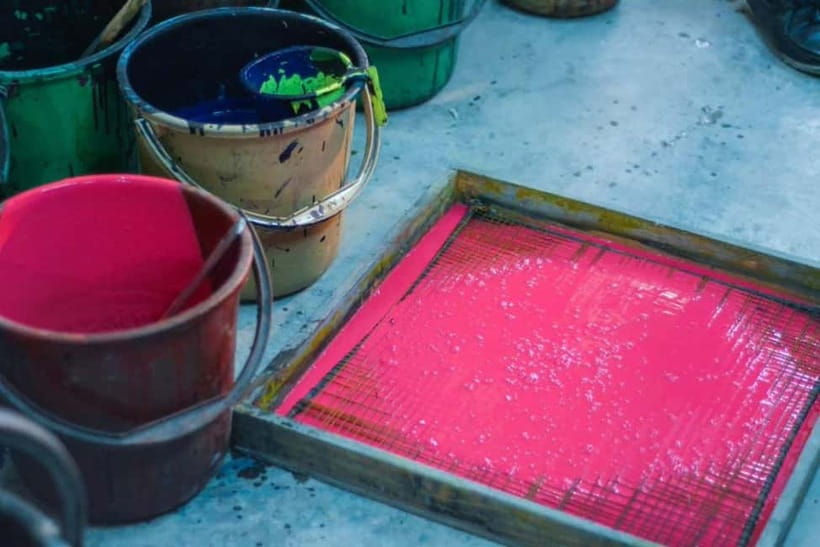
You’ll work with water-based pigments, which is useful for a workshop setting because it supports testing and adjustment during class. You’ll also mix and match colors to create dynamic patterns, rather than being stuck with a single palette.
Here’s the practical payoff: layering helps hide small mistakes and makes the final textile feel richer. Even if your first placements aren’t perfect, you learn how to correct and refine the look as you add outlines and fillers.
Choosing Your Design: Sanganeri-Inspired Options With Real Artistic Feel
You’ll have a selection of intricate patterns inspired by Sanganeri prints. Sanganeri is known for repeating motifs and delicate detailing, and you’ll see that level of thought in the designs you get to choose from.
You also get access to designs from a signature fabric collection (listed as part of the option you can select during booking). That matters because your printing sits on top of fabric choices, and those combinations can change the final look a lot.
In my view, this is one of the main reasons the class works for people who don’t want to leave empty-handed or unsure. You’re given a menu of thoughtful patterns, and you still get to make the creative calls.






Meet the People Behind the Prints: Support That Fixes Real Errors
A big part of the value here is the human help. The guidance during printing is clear, and it doesn’t just sound good—it shows in the way they correct small problems while you’re still in the process.
Names you may hear during the workshop include Mohit and Vivek for expert direction, plus Aftab, who is described as patient and kind when mistakes need fixing. That kind of support is exactly what you want when a technique is hands-on and slightly fiddly.
If you’re worried you won’t get it right, don’t. The workshop is built so you can learn quickly and still end with a piece you’re proud to take home.
Studio + Craft Production Nearby: Watching Pros Helps You Print Better
One detail that makes this experience feel more authentic is that you can watch pros working close by. The studio setup includes being near a small factory area, so you get to see the wider process—not just your small corner of it.
That helps you understand what you’re doing during the class. When you see how others handle blocks, pigments, and repeat work, your own printing starts to make more sense. You stop guessing and start recognizing the rhythm of the process.
Price and Value: Why $24 Makes Sense for What You Get
At $24 per person for two hours, the price is reasonable mainly because the workshop gives you both instruction and materials. You’re not paying for a lecture—you’re paying for time at the work surface, with the tools, pigments, and fabric provided.
You also leave with a physical product: a scarf or sarong you printed yourself. For a short class, that’s the best value equation. You’re buying a skill-adjacent experience plus an immediate, usable result.
If you’re budgeting in Rajasthan, this is also a low-commitment activity. You can fit it into a day without needing a full evening reserved for training.
Who Should Take This Workshop (And Who Might Skip It)
This is a great match if you want something creative that doesn’t require prior experience. The class design suits beginners because you’re guided through key concepts and you’re working from established block designs.
It’s also a strong choice if you travel solo. The small group format helps you connect without forcing awkward group dynamics, and the printing work gives everyone something concrete to do together.
Who might skip it? If you need constant sightseeing and big “on the move” energy, this is more of a stay-in-place craft session. You’re there to print, repeat, and refine. That calm focus is a feature for many people, not a bug.
What to Bring (So You Don’t Worry While You Print)
You don’t need to bring tools. The workshop provides the necessary materials, including wooden blocks, pigments, and fabric.
What you should bring is simple: comfortable clothing suitable for a hands-on workshop. Plan for the fact that craft work can get a little messy, and wear something you won’t mind getting stained during printing.
Tips to Get Better Prints in Your First Session
Since your time is limited, focus on what improves outcomes fast:
1) Choose a design you can tolerate repeating. Intricate patterns are beautiful, but your success comes from steady application.
2) Pay attention to roles: ground, outline, filler. When you treat each pass as a job, your pattern reads better.
3) Work patiently with color layering. Don’t rush every decision; the workshop is set up for experimentation with combinations.
4) If something looks off, ask right away. With support from instructors like Mohit, Vivek, and Aftab, fixes happen before your piece is finished.
Should You Book This Block Printing Workshop?
If you want a meaningful, hands-on Rajasthan activity with a real take-home result, I’d book it. The combination of small group size, guided printing, and a finished pico-stitch scarf or sarong makes it a strong value at $24.
It’s also a good way to learn the logic behind block printing—Gad, Rekh, and Datte—so you don’t just leave with a product. You leave with an understanding you can actually use when you see textiles in markets and workshops later.
FAQ
How long is the block printing workshop?
The workshop lasts 2 hours.
How much does it cost?
The price is $24 per person.
What is included with the workshop?
You receive a pico-stitch scarf or sarong as part of the included experience, along with the materials needed for printing.
What languages are the instructors available in?
The instructor support is available in English and Hindi.
How many people are in each group?
The workshop is limited to a small group of up to 10 participants.
Do I need to bring my own materials?
No. All necessary materials such as wooden blocks, pigments, and fabric are provided.
What should I wear?
Wear comfortable clothing suitable for a hands-on workshop.
Is free cancellation available?
Yes, you can cancel up to 24 hours in advance for a full refund.
Can I reserve and pay later?
Yes, you can reserve your spot and pay nothing today.