REVIEW · MUMBAI
Mumbai: Full-Day Sightseeing Tour of Mumbai
Book on GetYourGuide →Operated by Amaze Tours · Bookable on GetYourGuide
Mumbai changes by the block. This full-day tour strings together big landmarks, working-city scenes, and quiet corners in one smooth 5–10 hour day. You get hotel pickup/drop-off plus an English-speaking guide, so you’re not just taking photos—you’re learning what you’re looking at.
I especially like CST (Chhatrapati Shivaji Maharaj Terminus) for its daily commuter energy, and I like Dhobi Ghat for the sheer scale of how Mumbai runs. Stops are planned so you see colonial-era architecture and then pivot to local life—markets, sea views, and a real sense of the city’s rhythm.
The main drawback to plan for: it’s a fast day. Some stops are short photo or walk breaks, and food isn’t included, so you’ll want to budget time and money for snacks or lunch.
In This Review
- Quick hits before you go
- A fast way to get oriented in Mumbai’s contrasts
- Tour value: what you’re really paying for at about $24
- Gateway of India to Kala Ghoda: colonial Mumbai on foot and from the road
- Oval Maidan, Asiatic Society, and the museum-and-library vibe
- Inside Chhatrapati Shivaji Maharaj Terminus: the UNESCO powerhouse
- Crawford Market: shopping, spices, and the city’s daily energy
- Marine Drive promenade: a sea view between busy stops
- Mani Bhavan and Gandhi’s Mumbai: the human side of history
- Banganga Tank, Hanging Gardens, and the quieter pace on Malabar Hill
- Dhobi Ghat: watching Mumbai work at a massive scale
- The traffic reality check and how guides help you cope
- Pacing and comfort: what the 5–10 hour day feels like
- Where you’ll start, where you’ll end, and the cruise variation
- Who should book this tour (and who should consider something else)
- Should you book this Mumbai full-day sightseeing tour?
- FAQ
- How long is the Mumbai full-day sightseeing tour?
- How much does the tour cost?
- Is hotel pickup and drop-off included?
- What transportation do I use during the tour?
- Is a guide provided, and what language do they speak?
- Are entrance fees included?
- Is food provided during the tour?
- Does the tour include bottled water?
- What if I’m arriving by cruise?
- Where will I be dropped off at the end of the tour?
Quick hits before you go
- A lot of iconic stops in one loop: Gateway of India, Marine Drive, Mani Bhavan, Banganga Tank, and Dhobi Ghat
- UNESCO-level architecture plus real commuting at CST, including a walk inside
- Market time that feels local at Crawford Market (sights, spices, shopping)
- Gandhi sites and calm breaks: Mani Bhavan, Banganga Tank, and Hanging Gardens
- Smart transport for Mumbai traffic with an air-conditioned vehicle and bottled water
- English guides who steer the day well, with names like Ganesh, Abdul, and Imran showing up often
A fast way to get oriented in Mumbai’s contrasts

Mumbai can feel like two cities at once: grand buildings and everyday survival, tourist landmarks and working routines that start before the sun finishes waking up. This tour is built to help you get your bearings fast without spending your whole first day figuring out routes, transit, or opening hours.
You’ll start with a hotel pickup and move through key areas that connect the city’s layers—colonial coastal Mumbai, institutional architecture, old markets, and the hills where people go to breathe a little easier. The pacing is tight, but the route makes sense: you’re not hopping randomly across town.
And yes, there’s a big focus on seeing things you’d likely miss if you tried to DIY it on your own—like how CST looks from the inside, or what Dhobi Ghat looks like when it’s in full operation.
You can also read our reviews of more tours and experiences in Mumbai
Tour value: what you’re really paying for at about $24
At around $24 per person, this is a value deal because the cost includes more than sightseeing. The tour price covers hotel pickup and drop-off, an air-conditioned vehicle, bottled water, parking and road tolls, and entrance fees for the places mentioned.
That matters in Mumbai. If you tried to reproduce this day yourself, you’d pay for multiple admissions, transportation time, and the cost and hassle of arranging everything in the right order. Here, the day is designed as one package: you move between stops by vehicle, then use walking time for the moments that matter.
The one trade-off is simple: food and drinks aren’t included. So think of the tour as your guided sightseeing day, not your all-in meal plan.
Gateway of India to Kala Ghoda: colonial Mumbai on foot and from the road
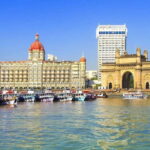
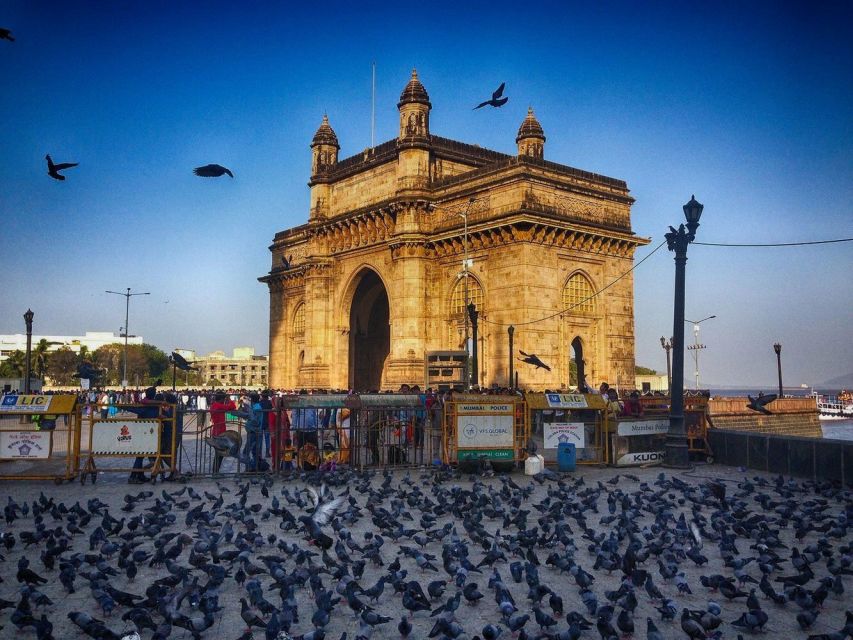
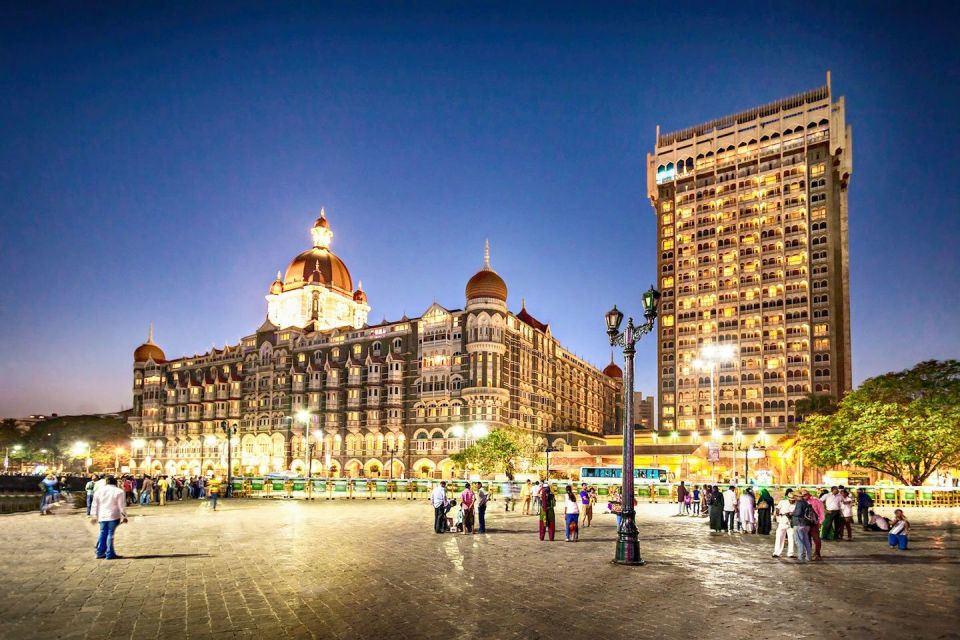
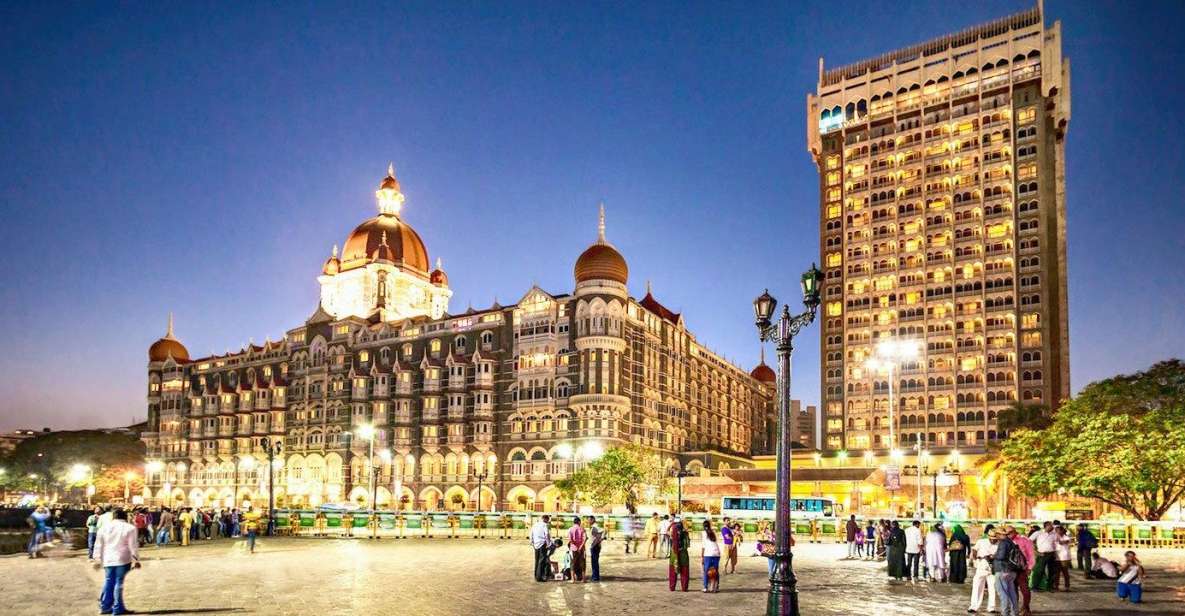
Your first major hit is Gateway of India, usually with a short photo stop and a brief walk. This is the classic coastal landmark you keep seeing in posters for a reason: it sits right by the Taj Mahal Palace Hotel, and it captures the colonial-era presence that still shapes how the waterfront looks and feels.
From there, you’ll head into the Kala Ghoda Art District, a strong stretch for anyone who likes architecture and cultural institutions. The tour passes the area so you can take in colonial buildings, art spaces, and the museum scene. One stop here is the Chhatrapati Shivaji Maharaj Vastu Sangrahalaya (often referenced as a major museum complex), plus time near landmarks like Oval Maidan—a wide, open stretch that helps you understand why this area became the city’s cultural and civic center.
If you’re the kind of traveler who likes explanation more than just thumbnails, this is where the guide’s style really matters. People consistently praise guides (names like Ganesh, Abdul, and Suresh show up frequently) for turning building names into real stories, and for steering you around the places where you can actually see what you came for.
Oval Maidan, Asiatic Society, and the museum-and-library vibe
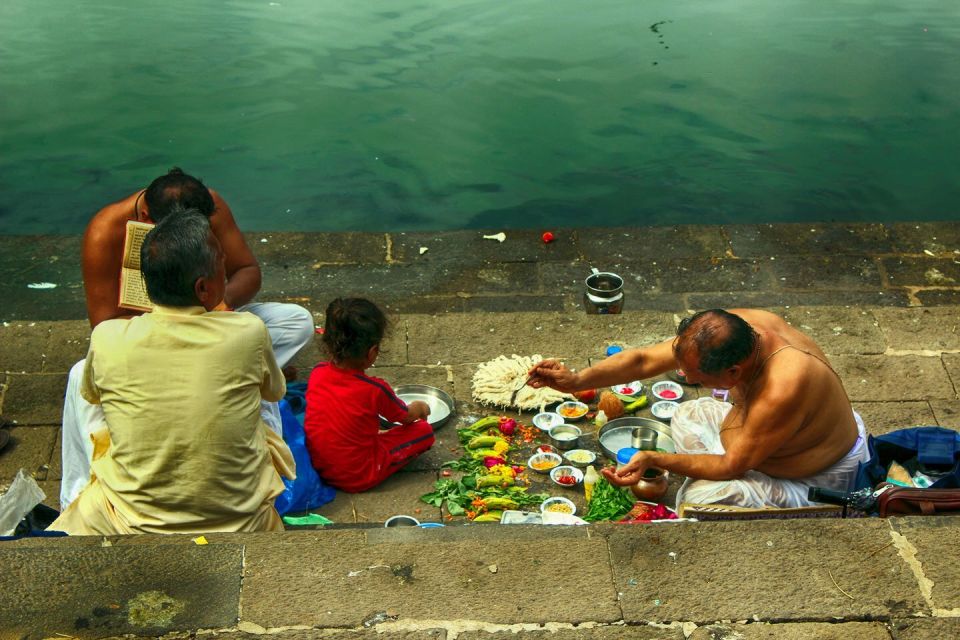
This part of the day is less about one single wow-factor and more about place-to-place context. You get a look at the Asiatic Society Library from the outside, plus the area around Oval Maidan where colonial-era civic design meets the daily life of a city that never fully slows down.
The practical value here: these stops make the rest of the day easier to understand. When you later see CST, Dhobi Ghat, or even Gandhi’s Mumbai, you’ll have more of a mental map of how Mumbai grew—through ports, institutions, and immigrant-era trade routes.
Time is limited, though. Expect that you’ll have a short stop at each place, not hours. If you love museums in general, you might want a second visit later on your own time.
Inside Chhatrapati Shivaji Maharaj Terminus: the UNESCO powerhouse
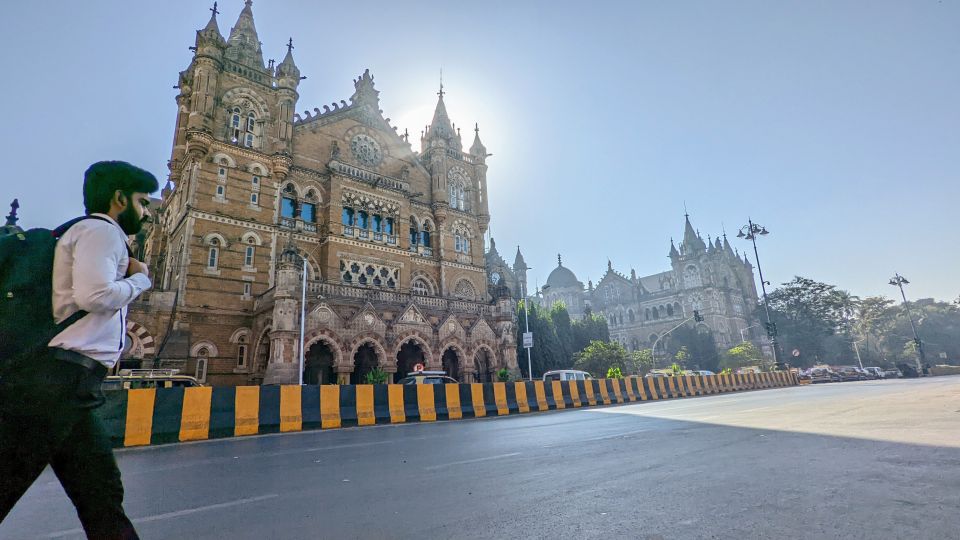
One of the best reasons to book this tour is Chhatrapati Shivaji Maharaj Terminus (CST). You’ll get a photo stop and then walk and sightsee inside, which is the part that most people underestimate.
It’s easy to admire the exterior from a distance. It’s another thing to see the scale and detail when you’re standing in it and imagining how it works with commuters every day. This is where the tour earns its reputation for being more than just a list of famous names.
This stop also tends to create the biggest conversation with your guide. People cite guide explanations here as a highlight—how the architecture connects to Mumbai’s growth and why this station became such a powerful symbol.





Crawford Market: shopping, spices, and the city’s daily energy
Next is Crawford Market, a classic place to see Mumbai the way locals experience it. There’s time for a visit, a walk, and shopping. The sensory cue here is huge: produce, spices, and the constant movement that makes the market feel alive in a practical way, not a theme-park way.
This is also a smart stop for travelers who want a break from pure sightseeing. You get something you can browse, snack on if you choose (since food isn’t included), and pick up small items without feeling like you’re in a rushed shopping sprint.
A good guide will also help you read what you’re looking at—how vendors operate, what to watch for, and where to slow down for the best photos.
Marine Drive promenade: a sea view between busy stops
After the market, you’ll head to Marine Drive for a photo stop, a visit, and a walk. The sea-facing promenade is a useful reset. It gives you a wider view of the city and a sense of how Mumbai’s coastline ties into its story—ports, trade, and the constant flow of people.
If you get motion-sick easily, this is still mostly walking and photos, but keep an eye on how crowded it can feel during peak times. The tour keeps this part to a walk-around so you don’t waste your momentum.
Mani Bhavan and Gandhi’s Mumbai: the human side of history
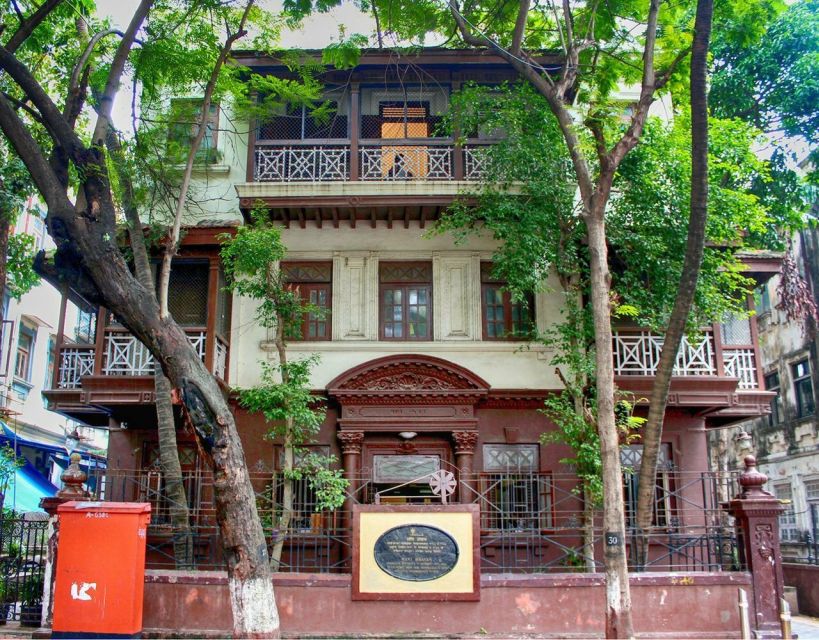
Then comes one of the most meaningful stops on the day: Mani Bhavan, Gandhi’s former residence, now a museum focused on his legacy. You’ll have time to visit and walk through, typically with a longer stop than a quick roadside photo moment.
What makes Mani Bhavan feel different is that it shifts the tour from architecture and markets into ideas, leadership, and personal commitment. The setting matters: a lived-in house turns historical impact into something more concrete.
If you’re traveling with a guide like Abdul or Suresh (names that appear often in guide feedback), this stop usually gets extra explanation—how Gandhi’s presence in Mumbai connected to wider Indian politics and how the city’s identity formed around major movements.
Banganga Tank, Hanging Gardens, and the quieter pace on Malabar Hill
After the museum, the tour moves toward Banganga Tank and then the Hanging Gardens area near Malabar Hill. These stops are short walks, photo moments, and sightseeing time—enough to escape the mental noise of the city center without turning the day into a long nature retreat.
Banganga Tank is a sacred-feeling pause, and the surrounding hill area brings a different visual texture to your day. The Hanging Gardens add viewpoints and a calmer rhythm—good for travelers who don’t just want stops, but also want breath between them.
Practical note: because the tour is still full-day, you won’t have hours here. Use the time you have for photos and for a slow look around, especially if you like architecture and religious spaces.
Dhobi Ghat: watching Mumbai work at a massive scale
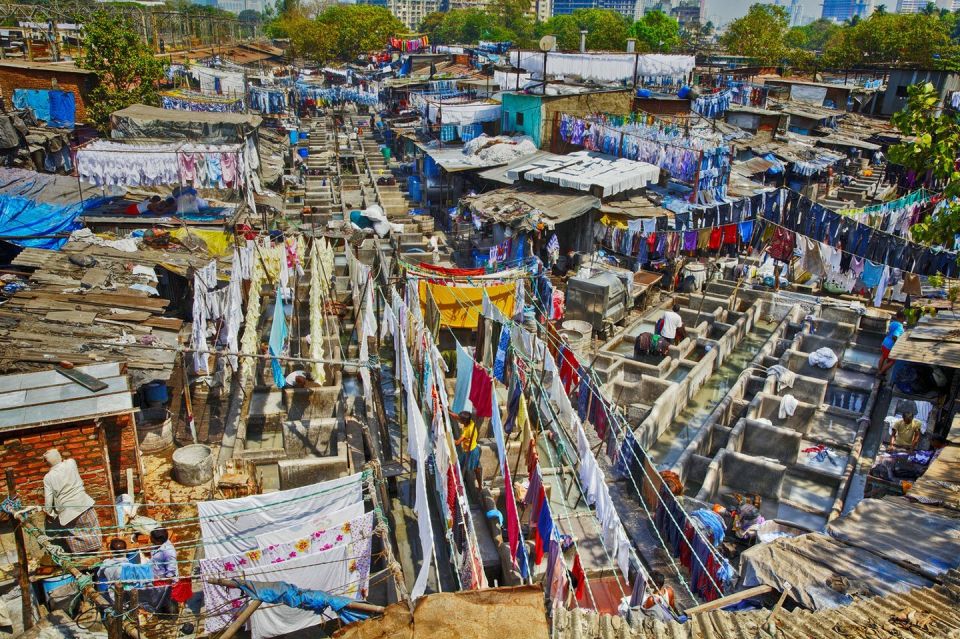
One of the most memorable stops is Dhobi Ghat, the world’s largest open-air laundry area. The tour typically includes a photo stop and brief sightseeing time. Even with limited time, the scale is impossible to miss.
This is not a staged performance. It’s a working routine—people doing daily tasks that keep the city running. If you’re curious about everyday systems, Dhobi Ghat is one of the best examples you’ll see in Mumbai.
A couple of guides are repeatedly praised for handling this stop thoughtfully—helping visitors stay safe, keeping an eye on hygiene, and choosing good restroom breaks. If your guide is that type, you’ll feel like the day is being managed with care, not just moved along.
Also: it’s one of those stops where you should bring patience. You may want to take photos, but you’ll also need to watch your footing and respect people working.
The traffic reality check and how guides help you cope
Mumbai traffic is part of the experience, and it can be intense. One reason this tour gets high marks is the combination of skilled driving and clear guidance about timing.
You’ll be on an air-conditioned vehicle, and you’ll have bottled water during the day. That may sound small, but in a full day of photo stops and walks, it helps a lot.
Timing is still tight, though. Many stops include walk time measured in minutes, so your best strategy is to decide what you care about most. If CST and Gandhi sites matter most, you can spend extra attention there and treat some other stops as “see it, then move.”
Pacing and comfort: what the 5–10 hour day feels like
This is a full-day tour, listed at 5–10 hours depending on the option and start time. That range is important. If you arrive early, you might see more of the day at a calmer pace. If your timing is later, the same stops may feel tighter.
Walking is involved, but it’s not a hardcore trek. Still, you’ll move between neighborhoods, and you’ll do multiple short walks and photo stops. Wear shoes that handle uneven sidewalks and expect that Mumbai’s streets can be crowded at times.
One nice touch from the way guides are described: you can ask for a rest break when needed. Guides like Ganesh and Abdul are specifically praised for listening to requests and adjusting the day when someone is tired.
Where you’ll start, where you’ll end, and the cruise variation
Pickup is typically hotel pickup. The tour includes a range of drop-off points around Mumbai, including areas like Goregaon, Powai, Bandra Kurla Complex, Juhu, Colaba, Andheri East, Dadar East, and even the international airport, depending on your option.
If you’re on a cruise and chose the cruise option, there’s a specific meeting point detail: you have to come to Greengate, about 300 meters from the cruise terminal, and the port provides a free shuttle.
This is one of those moments where reading your meeting instructions closely is worth it. Meeting point can vary by option, so you’ll want to confirm the exact spot you’re given.
Who should book this tour (and who should consider something else)
This tour fits best if you want:
- A first-day orientation to Mumbai with major landmarks and local life
- A guide who can explain why buildings and neighborhoods matter
- An organized day that covers lots of ground without you planning every hop
It might be less ideal if you want long museum time, deep neighborhood wandering, or a slow café-and-photo day. This is built to pack in key sights, so it trades depth-by-duration for breadth-by-structure.
If you’re the kind of traveler who likes humor, watch for the guide styles praised in the feedback. Names like Imran and Loki are repeatedly associated with friendly explanations and a light touch, which can make the day feel easier.
Should you book this Mumbai full-day sightseeing tour?
Yes, if you want a high-effort introduction to Mumbai that balances big-name landmarks with everyday scenes. It’s strong value at about $24, especially because entrance fees, parking, bottled water, and hotel pickup are built in.
You should probably book if you only have one day and you want to see Gateway of India, CST, Crawford Market, Mani Bhavan, Banganga Tank, Hanging Gardens, and Dhobi Ghat without guessing logistics. The guide factor also matters here—multiple named guides are praised for keeping the day moving, answering questions clearly, and handling the practical side of Mumbai travel.
Skip or supplement it if your priority is slow travel, long time inside museums, or a food-focused day (since food and drinks aren’t included). In that case, consider booking this as your setup day, then return later to the places you loved most.
FAQ
How long is the Mumbai full-day sightseeing tour?
It’s listed as 5 to 10 hours, depending on the starting time and option you select.
How much does the tour cost?
The price is $24 per person.
Is hotel pickup and drop-off included?
Yes. Hotel pickup and drop-off are included, and the meeting point can vary by the option booked.
What transportation do I use during the tour?
You’ll travel in an air-conditioned vehicle.
Is a guide provided, and what language do they speak?
Yes. There is a live tour guide in English, and the guide type depends on the option selected.
Are entrance fees included?
Yes. All entrance fees for places mentioned are included.
Is food provided during the tour?
No. Food and drinks are not included.
Does the tour include bottled water?
Yes. Bottled water is included.
What if I’m arriving by cruise?
If you select the cruise option, you meet at Greengate, about 300 meters away from the cruise terminal, and the port provides a free shuttle.
Where will I be dropped off at the end of the tour?
There are multiple drop-off locations across Mumbai, depending on your option, including areas like Colaba and Churchgate, and some airport and neighborhood drop-offs.