REVIEW · MUMBAI
Mumbai: Dhobi Ghat Tour with Dharavi and Train Ride Options
Book on GetYourGuide →Operated by Mumbai Dream Tours · Bookable on GetYourGuide
Laundry tells stories in Mumbai. Mahalaxmi Dhobi Ghat is one of those places where you watch work happen in public, and you learn why it still matters after more than a hundred years. I like the focus on how clothes are handled by hand, and I also like that the tour can add a Dharavi stop and a train ride if you book those options. One thing to consider: a small number of guests report timing issues, so it’s smart to double-check what duration you’re buying.
Here’s the core idea. Mahalaxmi Dhobi Ghat is the city’s largest open-air laundry facility, and it’s often described as the world’s largest open-air laundry. You’ll see bundles of clothing from across Mumbai moving through washing troughs, drying areas, and charcoal-iron pressing, with dhobis working as organized family teams.
In This Review
- Key things to know before you go
- Mahalaxmi Dhobi Ghat: why this place feels real
- Watching the dhobis at work: washing troughs to charcoal irons
- What the guide adds: clarity beats guessing
- Optional add-on: Dharavi tour in the same day
- Optional add-on: train ride for a real Mumbai feeling
- Price and value: when $11 feels fair and when it doesn’t
- Where the day takes you: what to expect from start to finish
- Photography and etiquette tips that actually help
- Who this tour suits best
- Should you book the Mumbai Dream Tours Dhobi Ghat experience?
- FAQ
- How much does the Mumbai Dhobi Ghat tour cost?
- What language is the tour offered in?
- Is the Dharavi tour included?
- Does the tour include a train ride?
- Where does the tour start and end?
- Is pay later available?
- What is the cancellation window?
Key things to know before you go
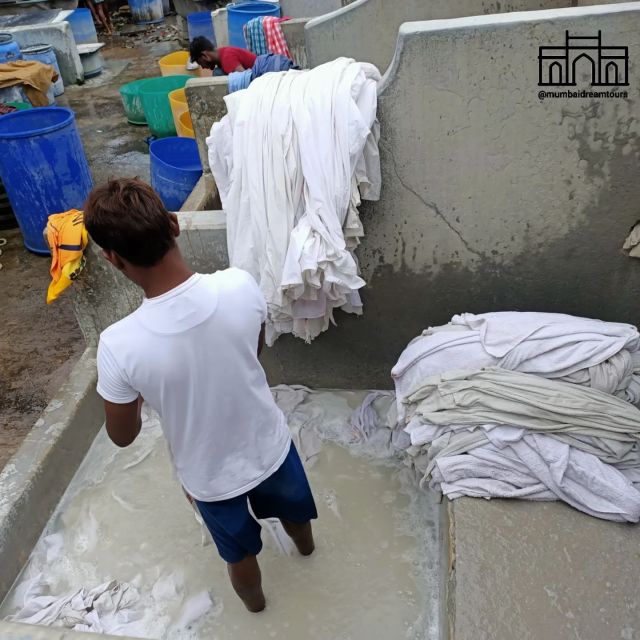
- Mahalaxmi Dhobi Ghat is open-air and still working, not a staged museum.
- Hand-washing and charcoal ironing are part of the process, not just a quick photo stop.
- Optional add-ons can include a Dharavi tour and a train ride.
- A guide named Rakesh is specifically praised for clear answers and taking you through lanes you might skip.
- Expect strong photography scenes, with rows of color from hanging clothes.
Mahalaxmi Dhobi Ghat: why this place feels real
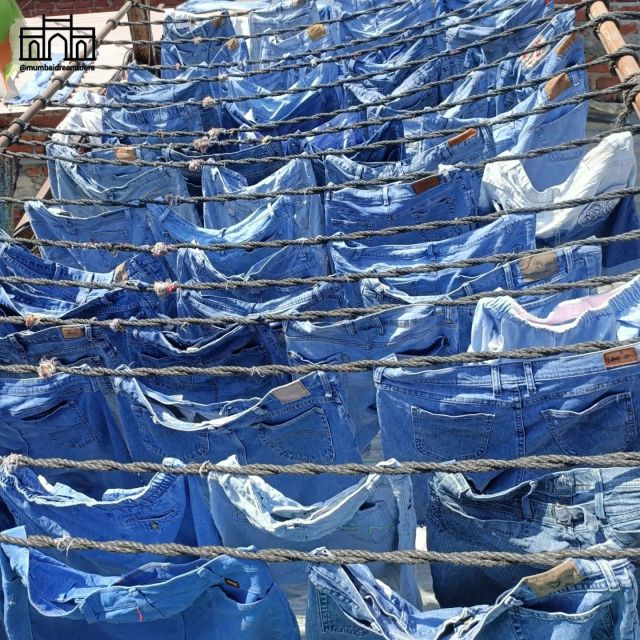
This tour is built around a working landscape of everyday life. Mahalaxmi Dhobi Ghat has been operating for over a century, and you’re shown how the system works when hundreds of washers and families all run their shifts in the same area. That matters because you aren’t just looking at old buildings or artifacts. You’re seeing people doing the same tasks that keep ordinary Mumbai running.
I like that the experience treats the laundry as a whole operation. You get the sense of how clothes move from dirty to cleaned, with different people handling different steps. When you understand the workflow, the place stops being only visually interesting and becomes meaningful.
You should also know what makes it visually striking. Many people come with cameras because the hanging clothes create long rows of color, and the light in the open-air setup makes those colors pop. If you like street photography or documentary-style shots, this is the kind of setting where you can frame a story in one glance.
You can also read our reviews of more tours and experiences in Mumbai.


Watching the dhobis at work: washing troughs to charcoal irons

The Dhobi Ghat portion is where the tour earns its keep. You’ll learn about the history and significance of the Dhobi Ghat, and you’ll also watch the traditional routine that still operates in parts of the facility.
The process you’ll be introduced to looks something like this:
- clothes are washed in troughs where workers handle the scrubbing step by hand
- garments are then hung out to dry
- the pressing phase is done using bulky charcoal irons, part of the traditional toolkit
The key point for you is that this isn’t presented as one worker doing everything. It’s described as a coordinated family operation, with each family member taking a role in the chain. That’s one reason the place feels busy yet structured. Even if you don’t know Mumbai’s laundry world already, the tour helps you understand how the work is organized.
Also, take your time with the “small details.” The charcoal irons, the rhythm of washing and hanging, and the way people pass through their parts of the day add context. You’ll start seeing the ghat less like a single attraction and more like a system that functions daily.
What the guide adds: clarity beats guessing
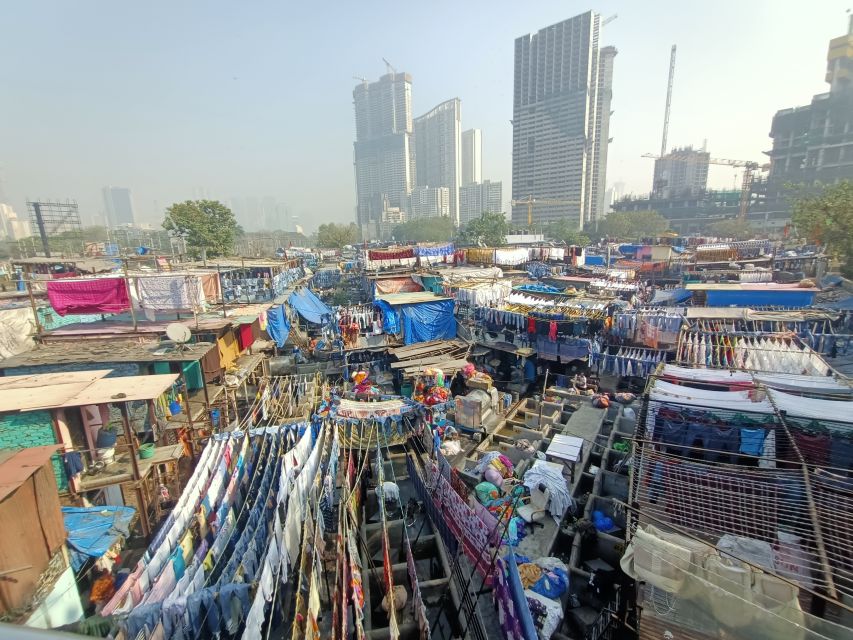
A lot of Dhobi Ghat visits turn into wandering with photos. This tour aims to prevent that by pairing you with a guide who explains the “why” behind the scenes.
One guide name that stands out from the experience: Rakesh. He’s praised for answering questions and keeping a relaxed, easy pace. If you’re the type who likes to understand what you’re seeing, that kind of guidance is worth its weight. It helps you connect the images to the real labor behind them.
I also like that some guides lead you through lanes that you may not pick on your own. Even if you’re staying in Mumbai’s tourist zones, you don’t always stumble into the exact side-streets and in-between spaces where daily life runs. Having someone point out what’s normal here keeps you from turning the visit into a shallow sightseeing loop.
Optional add-on: Dharavi tour in the same day
If you choose the Dharavi option, you’ll add a second layer to the trip: how Mumbai’s communities and industries operate beyond the postcard view. The tour style described here pairs learning with movement, and it can include narrow lanes that feel darker or less obvious than the main roads.
This add-on tends to suit travelers who like context. If you only want the Dhobi Ghat’s open-air laundry scenes, you can skip it. But if you want a fuller sense of Mumbai’s living neighborhoods and local work, Dharavi can help connect the dots between everyday labor systems across the city.
A practical thought: decide what you want your day to do. Dharavi is not “just another stop.” It’s a place where your guide’s explanations matter, and where you’ll likely be moving through tighter spaces than the ghat itself. If your comfort level with crowds or dense streets is low, keep that in mind when choosing this option.
Optional add-on: train ride for a real Mumbai feeling
Some bookings include a train ride, and that can be a smart contrast to the open-air laundry setting. At the ghat, everything is visible and slow enough to process. On the train, Mumbai becomes faster, louder, and more “in motion,” which makes the day feel less like one photo location and more like a sequence of real city moments.
This part is worth considering if you enjoy local transit as part of travel, not as a chore. A train ride can turn the tour from a standalone visit into something that feels integrated with how the city actually functions.
I’d also treat this as an energy question. A train segment can make the outing more active and time-dependent. If you’re sensitive to schedules or you prefer a calm pace, you may want to keep it to Dhobi Ghat only and add Dharavi or the train ride only if you’re feeling up to it.





Price and value: when $11 feels fair and when it doesn’t
The headline price is listed at about $11 per person, which is very good if you get a full guided experience. In places like Mumbai, small differences in time can be a big deal, because a guide’s explanations are often what turn a sightseeing stop into something you remember.
Still, there’s a caution from reported experiences: one guest described a situation where their 1-hour ticket was confirmed, but the tour finished about 10 minutes in. That’s not a small complaint. If your expectation is a longer guided walk, an unexpectedly short visit can feel like poor value.
So how do you protect yourself? Before you go, check what exact duration your booking states and what’s included in that time window, especially if you selected optional Dharavi or train ride add-ons. If you’re paying a low price, you’re smart to confirm that you’re buying a complete experience, not a shortened version.
Also, look at the quality signal, not just the price. The same operator has strong praise in other accounts for guides like Rakesh, and for enjoying both the washing history and train ride. That mix is why I’d treat this tour as a potentially great value, with one important caveat: time accuracy matters.
Where the day takes you: what to expect from start to finish
Your meeting point can vary depending on which option you book, and the tour ends back at that same meeting point. In other words, you’re not signing up for a one-way transfer across town. You’re signing up for a guided loop that returns you to your starting point.
During the Dhobi Ghat portion, the pace likely stays focused on observation and explanation. You’re meant to understand the flow of laundry work and the place’s role in Mumbai life. If you like learning while you walk, this works well because the scenes keep coming and the guide’s context keeps them connected.
If you selected Dharavi, you should expect a second “chapter” with different streets, different energy, and different types of explanations. If you selected the train ride, you’ll feel a shift again: a transport segment that changes the tempo of the day.
One more practical note: because this is a working area, the tour experience depends on what’s happening on the day. That doesn’t mean it changes randomly, but it does mean you should be mentally flexible. Your best results come from focusing on the process you’re seeing, not trying to force a museum-style timeline.
Photography and etiquette tips that actually help

You’ll likely want photos. Mahalaxmi Dhobi Ghat is popular among photographers for a reason: hanging clothes create bold color rows, and you get strong subject-to-background contrast in an open setting.
But do yourself a favor and plan for respectful photography. This is people’s work, not a theme park. Keep your camera use considerate, move with the group, and avoid blocking workers who are doing tasks.
Also, if the guide points out different steps in the process, let that shape your shots. Photos taken after you understand what you’re looking at tend to tell a better story. For example, charcoal irons aren’t just a quirky prop; they connect to the traditional method the tour explains.
Who this tour suits best
This experience fits travelers who:
- want a working, open-air look at Mumbai life
- like guided context more than random wandering
- enjoy documentary-style photography and real human routines
- may appreciate optional add-ons like Dharavi and a train ride for a fuller day
It may not fit you if:
- you need guaranteed long duration and extremely predictable timing
- you prefer polished, low-involvement sightseeing without active street segments
- you’re sensitive to busy working environments
Should you book the Mumbai Dream Tours Dhobi Ghat experience?
I think this can be a strong book, especially for the low listed price and for the fact that you’re not just touring a photo spot—you’re learning how the laundry system works in a place that has operated for generations. The praised guidance from Rakesh suggests that when the tour runs well, it turns into an easy, question-friendly experience.
My decision rule is simple. If your booking details clearly match the time you expect and you’re open to optional add-ons if you chose them, go for it. If time expectations are strict for your schedule, it’s worth double-checking the stated duration before you commit, because at least one reported experience involved a much shorter tour than confirmed.
If you want a real Mumbai contrast day—working life in the morning, local transit and neighborhood context layered in—this is a solid way to get it.
FAQ
How much does the Mumbai Dhobi Ghat tour cost?
The listed price is $11 per person.
What language is the tour offered in?
The tour is offered in English.
Is the Dharavi tour included?
Dharavi is included only if you select the Dharavi tour option.
Does the tour include a train ride?
The train ride is included only if you select the train ride option.
Where does the tour start and end?
The meeting point may vary depending on the option booked, and the activity ends back at the meeting point.
Is pay later available?
Yes, there is a Reserve & Pay Later option, so you can book your spot and pay nothing today.
What is the cancellation window?
You can cancel up to 24 hours in advance for a full refund.