REVIEW · MUMBAI
Jewish Heritage Tour
Book on GetYourGuide →Operated by Mystical Mumbai · Bookable on GetYourGuide
A walk through Mumbai’s Jewish landmarks can feel oddly personal. This Jewish Heritage Tour strings together synagogues, historic community sites, and street-level scenes like Dhobi Ghat so you see connections fast. I especially like the built-in orientation on India’s Jewish communities and the chance to visit the Shaar Harahamim (Gate of Mercy) Synagogue from 1796. One thing to consider: it’s a tight 4-hour run, so if you want long museum-style time in one place, you may wish you had more hours.
I also appreciate the practical logistics: hotel pickup in an A/C car and a guide who explains what you’re looking at as you move. You’ll cover major landmarks too, including the Gateway of India area and towering religious buildings like the Magen David Synagogue. The main drawback is simple—no lunch is included, so plan a snack or eat before/after, and wear clothing that fits the shorts rule.
In This Review
- Key highlights worth your attention
- Why Mumbai’s Jewish story starts before you step outside
- Sassoon Docks: the working waterfront side of history
- Gateway of India area: Kenneseth Eliyahoo Synagogue and David Sassoon Library
- Shaar Harahamim (Gate of Mercy) Synagogue built in 1796
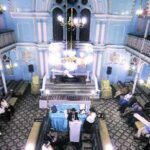
- Magen David Synagogue: the blue Gothic-feel moment
- Victoria Terminus and civic-era contrasts in one drive-by stretch
- Dhobi Ghat: Mumbai’s outdoor laundry system you can actually watch
- Marine Drive to Flora Fountain: seeing more with less time
- What the 4 hours really means for your day
- Price and value: where the $71 makes sense
- Who this tour is best for
- Should you book this Jewish Heritage Tour?
- FAQ
- How long is the Jewish Heritage Tour?
- What is the price per person?
- Where is the tour located?
- Is hotel pickup included?
- What’s included in the tour price?
- Is lunch included?
- Which languages is the live guide available in?
- What are the main places you’ll visit?
- Which synagogue is the oldest on this tour?
- Are shorts allowed?
Key highlights worth your attention
- Shaar Harahamim (Gate of Mercy) Synagogue, 1796: visit the oldest synagogue in Mumbai on this route
- Sassoon Docks: morning activity by Baghdadi Jewish influence, plus a strong sense of “workday” Mumbai
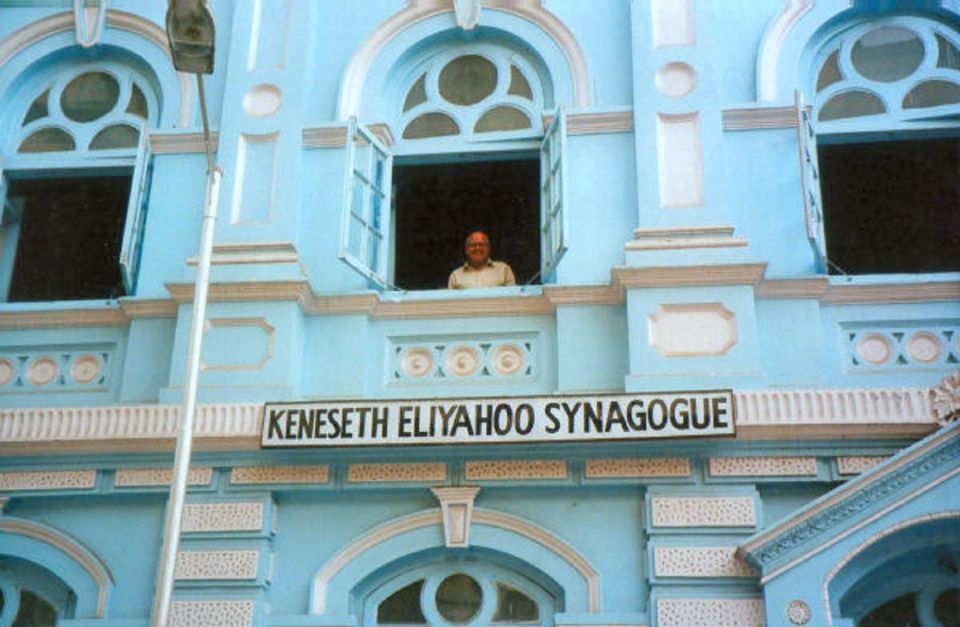
- Kenneseth Eliyahoo Synagogue and David Sassoon Library: a focused stop near the Gateway of India area
- Magen David Synagogue: a tall blue Gothic-feeling presence you’ll notice immediately
- Dhobi Ghat: watch Mumbai’s outdoor laundry system in action
- Curated city-driving sights: Marine Drive/Chowpatty, Oval Maidan, High Court, Bombay University, Flora Fountain, and more
Why Mumbai’s Jewish story starts before you step outside
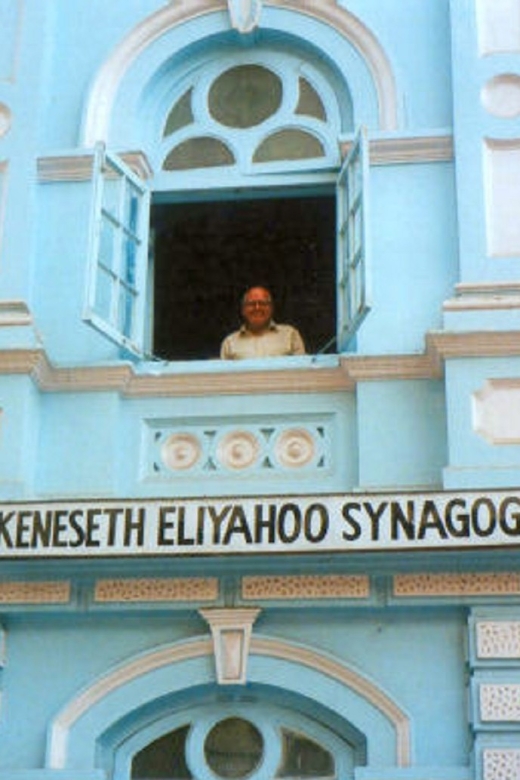
This tour begins with orientation, not sightseeing blur. You get context on India’s Jewish communities, including the broad story of arrival in India about 2,000 years ago, how communities spread geographically, and how different sects developed distinct cultural practices.
I like that the guide uses illustrated handouts and notes. That matters because synagogue architecture and neighborhood geography can look “random” at street level unless someone gives you a map of meanings. With the primer, your brain starts connecting names, buildings, and why certain areas developed around trade and community life.
You can also read our reviews of more tours and experiences in Mumbai.

Sassoon Docks: the working waterfront side of history
The morning focus on Sassoon Docks is a smart choice. It’s not just pretty waterfront views; it’s a real working zone, and it ties to the Baghdadi Jewish community that influenced local commerce. Even from the outside, you can sense why dockside neighborhoods attracted merchants and families who relied on shipping networks.
From here, you’re set up for a day that mixes “history you can read” with “life you can see.” That blend is exactly why this tour works well in a short window. You’re getting community context and everyday Mumbai in the same morning chunk.
Gateway of India area: Kenneseth Eliyahoo Synagogue and David Sassoon Library
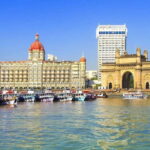
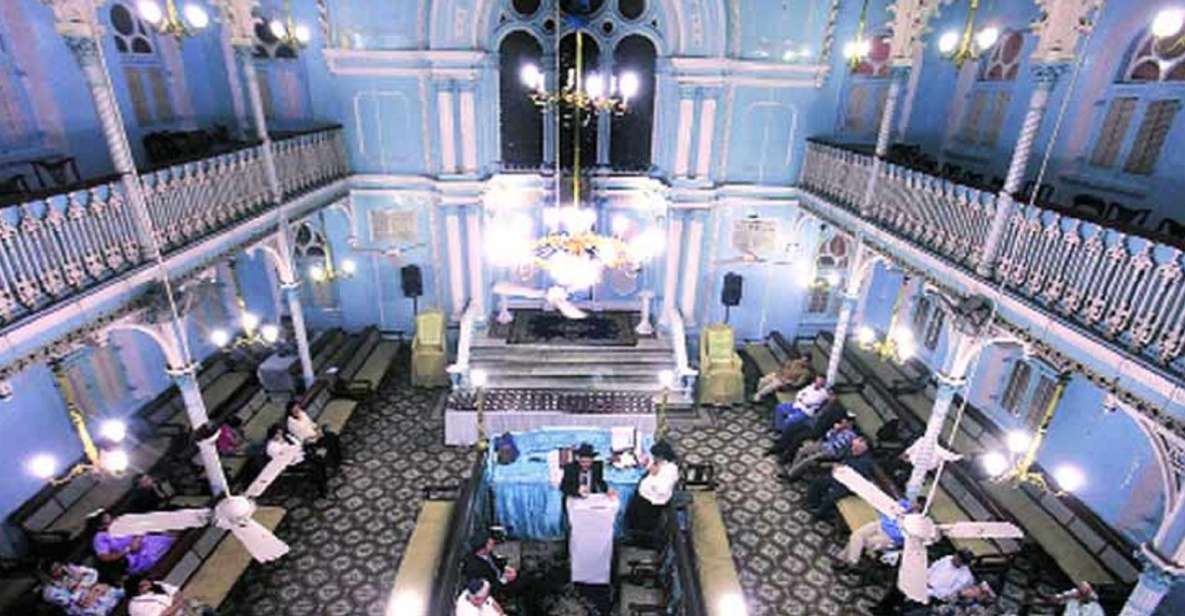
Next comes the Gateway of India area, with stops clustered for efficiency. You’ll see the Kenneseth Eliyahoo Synagogue, noted for its beautiful interiors, and you’ll also get time around the David Sassoon Library.
What I find useful here is the contrast. The Gateway of India area is famous, but a synagogue and library nearby shift the focus from spectacle to identity—faith, learning, and community institutions. If you’re the type who likes a “why does this building exist here” explanation, this stop delivers.
Shaar Harahamim (Gate of Mercy) Synagogue built in 1796
The standout religious stop is Shaar Harahamim, also called the Gate of Mercy Synagogue. It’s described as the oldest synagogue in Mumbai, built in 1796, by Samaji Hasaji Divekar (also linked with Samuel Ezekiel Divekar), identified as a Bene Israeli.
This kind of age and specificity changes how you look at the place. Instead of treating the synagogue as just another landmark, you can understand it as evidence of continuity—community life lasting through centuries, not just visitors taking photos.
Practical note: you’ll want to come prepared to be respectful in a religious space. Shorts are not allowed, so wear something that keeps you comfortable for walking and viewing. If you forget, the restriction can turn into an awkward pause.
Magen David Synagogue: the blue Gothic-feel moment
After Shaar Harahamim, the route moves to Magen David Synagogue, described as a tall blue building with a Gothic feel. This is the kind of structure you spot from a distance, and that visual presence helps anchor the rest of the tour.
I like this stop because it shows how different synagogues can signal different aesthetics, eras, and styles while serving similar communal purposes. It also gives you a “city landmark” feeling, which is good if you’re touring with people who aren’t as focused on architecture but still want memorable sights.





Victoria Terminus and civic-era contrasts in one drive-by stretch
Between synagogue visits, you’ll pass through iconic city landmarks. The tour includes Victoria Terminus, a UNESCO World Heritage site, and the Bombay Municipal Building.
Here’s why this matters: it keeps the Jewish heritage story connected to the broader Mumbai timeline. You’re not just seeing religious sites; you’re seeing a city that grew through global trade, administration, and rail-era engineering. The contrast helps you understand that minority communities didn’t exist in isolation—they were part of the city’s development.
Dhobi Ghat: Mumbai’s outdoor laundry system you can actually watch
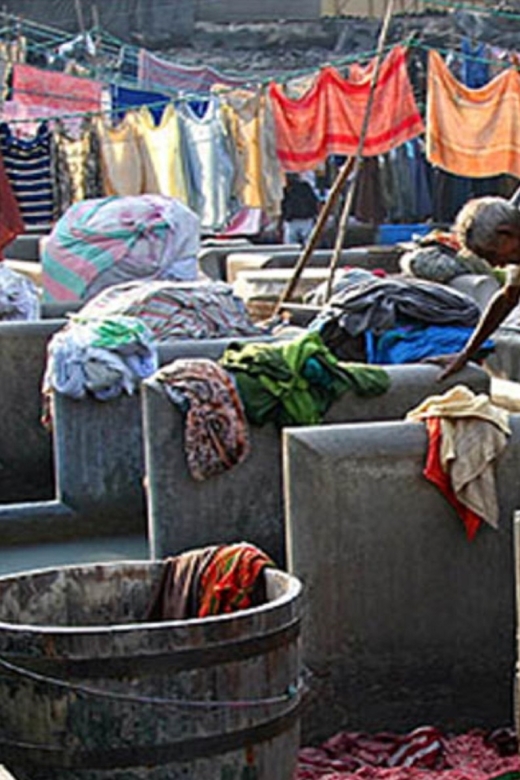
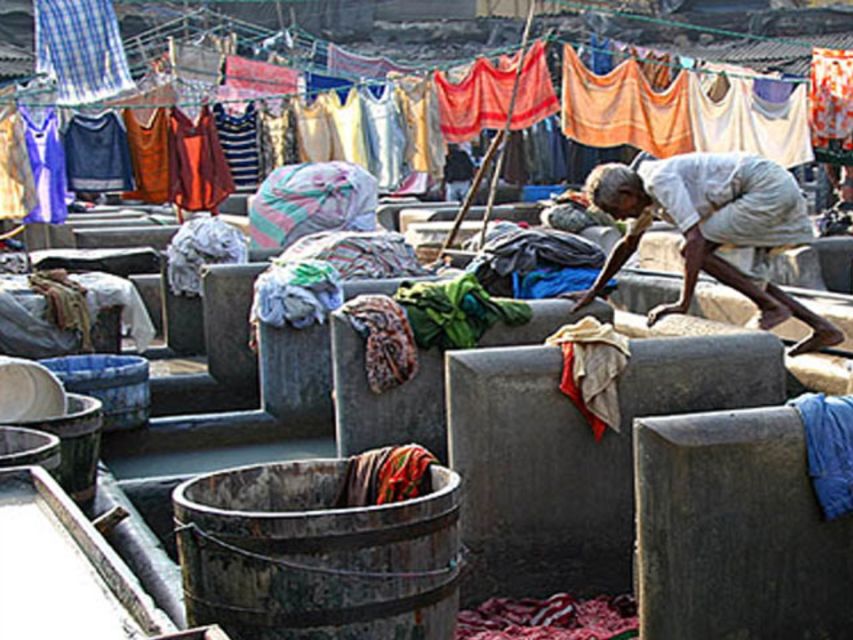
Then you reach Dhobi Ghat, Mumbai’s unique outdoor laundry system. This is one of those places where the “tourist layer” can fall away because you’re watching a working process, not just viewing artifacts.
I like the inclusion because it shifts heritage from buildings to daily labor. Laundry might sound like a side stop, but in a city like Mumbai it becomes a lens on how neighborhoods function and how goods, people, and routines intersect. You also get a different texture than the formal synagogue spaces earlier in the tour.
Marine Drive to Flora Fountain: seeing more with less time
The rest of the route is organized around driving and quick sighting stops. You’ll pass Marine Drive/Chowpatty, Oval Maidan, High Court, Bombay University, Flora Fountain, and other lesser-noted viewpoints around the city.
This “drive-by detail” part is valuable if you want orientation. You get a sense of where major institutions sit relative to the areas you just visited. It’s also a practical use of time: with a 4-hour total duration, you can’t linger everywhere, so the route design aims to give you a broad mental map.
If you’re the type who hates getting stuck in traffic, the A/C car helps keep the experience tolerable. It’s still city driving, but at least you’re not baked on the way to each stop.
What the 4 hours really means for your day
This tour is listed as 4 hours with hotel pickup in Mumbai, and that time structure shapes what you should expect. You’ll see multiple major sights, but you won’t have the kind of slow, long-form time you’d get from a museum deep-dive.
That’s not a negative if you’re intentional. This is a “get oriented fast” tour. It pairs well with later self-guided exploring, because once you know what you’ve seen—Shaar Harahamim, Magen David Synagogue, Sassoon Docks—you can pick a direction for a follow-up walk or photo stop.
Also, the tour includes an A/C car and a live guide. The guide’s job here is more than narration; it’s helping you connect names and places so the city stops feeling like random dots on a map.
Price and value: where the $71 makes sense
At $71 per person for a 4-hour guided city route, the value comes from two things: concentrated sight variety and guided interpretation. You’re not paying just for transportation. You’re paying for the specific heritage framing—especially the introductory overview of Jewish communities in India plus illustrated handouts.
Lunch is not included, so your real cost depends on what you do for food. If you eat before you start, you can keep the trip simple. If you forget, you might spend more later on whatever’s convenient, which can reduce the overall “value” feeling.
In terms of comfort, the included A/C car and hotel pickup are helpful. In Mumbai, that can be the difference between a smooth morning and a more stressful one.
Who this tour is best for
This tour fits best if you:
- Want a short, structured introduction to Mumbai’s Jewish heritage sites
- Like history explained in plain language with notes/handouts
- Prefer seeing city landmarks plus one or two standout experiences (like Dhobi Ghat) rather than only religious buildings
It’s less ideal if you want slow, quiet time inside each synagogue with long stays, or if your schedule needs a full meal built in. And because shorts are not allowed, plan clothing ahead so you don’t have to scramble when you arrive at religious sites.
Should you book this Jewish Heritage Tour?
I’d say yes if you want an efficient, meaningful sampler of Mumbai’s Jewish story. The combination of orientation, major synagogue stops like Shaar Harahamim (1796), and the working-life inclusion of Dhobi Ghat gives you more texture than a standard landmark loop.
Book it if your priority is understanding what you’re looking at, not just collecting photos. You’ll come away with names and places that make the city feel connected, not scattered.
Don’t book it (or at least adjust expectations) if you need lots of free time for lingering, or if you dislike tight schedules. In that case, consider adding a separate day to revisit one site you feel drawn to after the tour.
FAQ
How long is the Jewish Heritage Tour?
The tour duration is 4 hours.
What is the price per person?
The price is listed as $71 per person.
Where is the tour located?
It’s in Maharashtra, India, with the sights in Mumbai.
Is hotel pickup included?
Yes. Pickup is included from your hotel in Mumbai.
What’s included in the tour price?
Included items are an A/C car and a guide.
Is lunch included?
No, lunch is not included.
Which languages is the live guide available in?
The guide is available in German, Spanish, and English.
What are the main places you’ll visit?
You’ll visit Sassoon Docks, the Gateway of India area (including Kenneseth Eliyahoo Synagogue and David Sassoon Library), Shaar Harahamim (Gate of Mercy) Synagogue, Magen David Synagogue, Victoria Terminus, Bombay Municipal Building, Dhobi Ghat, and you’ll also pass landmarks such as Marine Drive/Chowpatty, Oval Maidan, High Court, Bombay University, and Flora Fountain.
Which synagogue is the oldest on this tour?
Shaar Harahamim (Gate of Mercy) Synagogue, built in 1796, is described as the oldest synagogue in Mumbai.
Are shorts allowed?
No. Shorts are not allowed.