REVIEW · MUMBAI
Mumbai: Dharavi Slum Tour with Dhobi Ghat (Open-Air Laundry)
Book on GetYourGuide →Operated by Beautiful Bombay Tours · Bookable on GetYourGuide
Mumbai’s laundry lines have a world of stories. This Dharavi Slum Tour paired with Dhobi Ghat gives you two Mumbai scenes that run on work, skill, and everyday hustle—one turning waste into value, the other handling clothes by hand at scale. I especially like the focus on how people earn a living and the way guides like Pooja, Anushka, and Varsha set expectations with clear, respectful photo guidance; you learn without feeling like you’re staring. The one drawback to plan for: you’ll be on foot through narrow, busy lanes with limited restrooms, and Dhobi Ghat is mainly viewed from a viewing deck, so you may not get the kind of down-in-the-machinery experience you pictured.
The price is also hard to ignore: about $4.94 for 3 hours, and that covers entry to Dharavi and an English-speaking guide. You don’t get food or hotel pickup, so budget for your own meal and water—but for the amount of real, working Mumbai you see, the value feels solid.
In This Review
- Key things that make this tour worth your time
- Meeting outside Third Wave Coffee and what to bring
- Dharavi on foot: lanes, workshops, and an economic view of daily life
- Recycling and small industries: seeing value where you expect waste
- Markets, textiles, and the craft side of Dharavi
- Dhobi Ghat from the viewing deck: watching hand-laundry at scale
- How the guides shape the experience (and why it matters)
- Walking conditions and other trade-offs you should plan for
- Price and value: why under $5 can work (if you’re prepared)
- Who should book this Dharavi + Dhobi Ghat tour
- Should you book it? My honest call
- FAQ
- Where is the meeting point?
- How long is the tour?
- What’s included in the price?
- Is food or drinks included?
- Is photography allowed?
- Is the tour wheelchair accessible?
- What should I bring?
- Is there a restroom during the tour?
- Does the tour run in bad weather?
Key things that make this tour worth your time
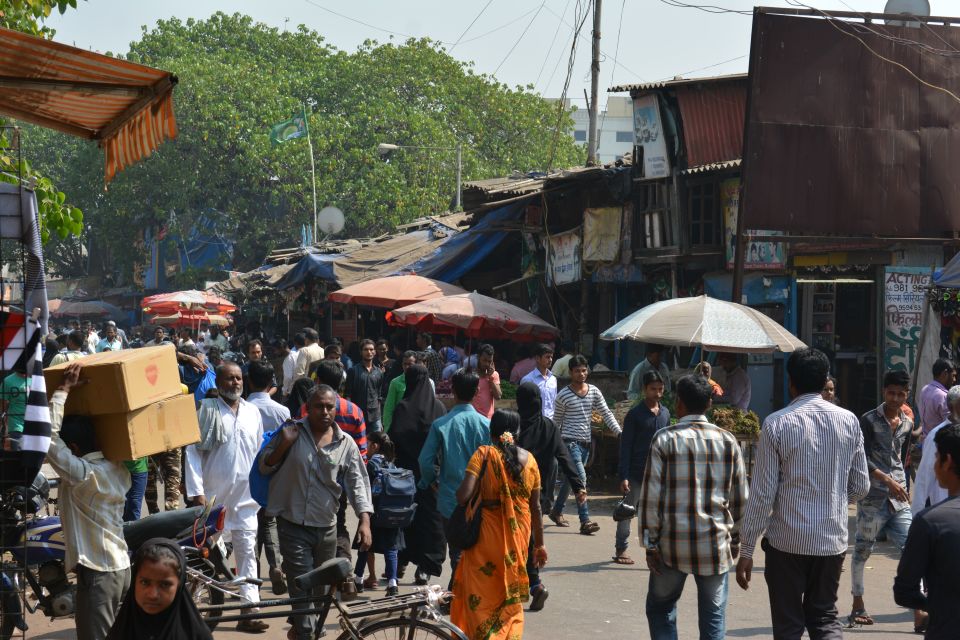
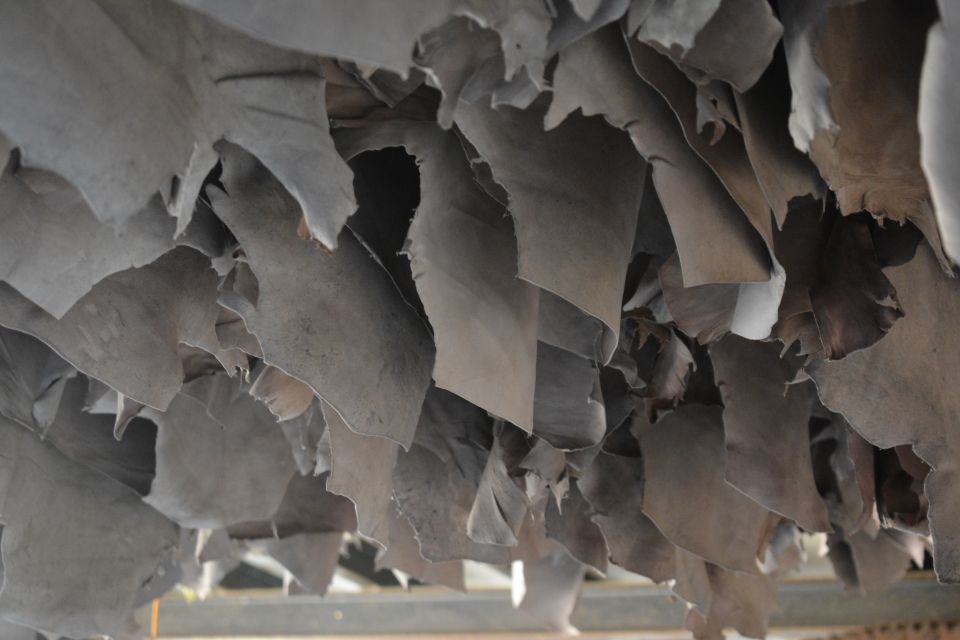
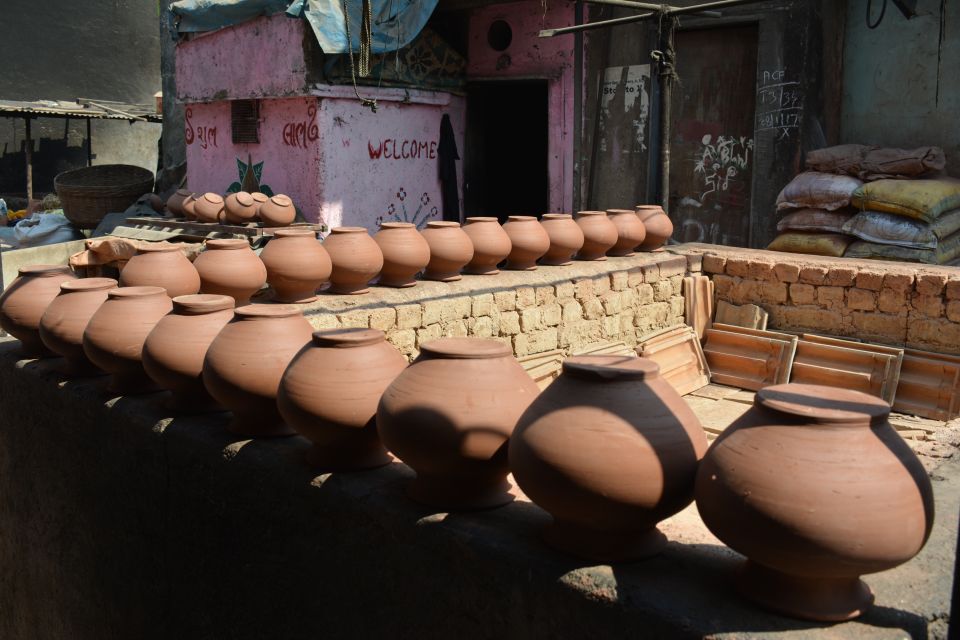
- Dharavi’s economy first: you’ll spend real time on industries like pottery, leatherwork, textiles, bakery units, and recycling.
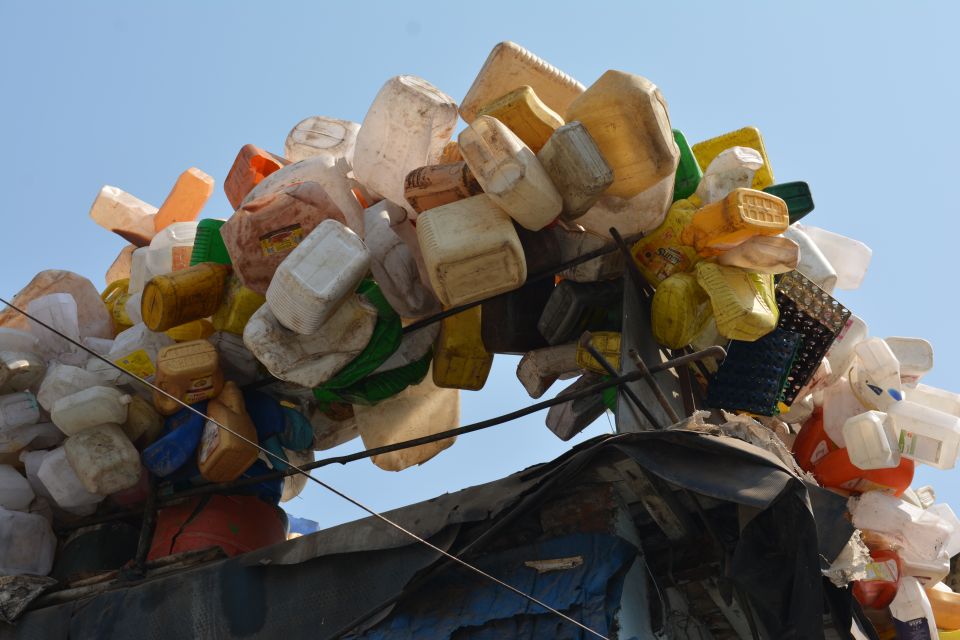
- Waste-to-value in action: watch materials get sorted and transformed instead of treated as trash.
- Guides who guide: strong English, lots of Q&A, and clear do’s and don’ts around photography.
- Dhobi Ghat’s hand-work rhythm: hundreds of washermen working together to wash, dry, iron, and sort.
- Photo respect matters: you’ll be told when and how to take pictures in a residential area.
- It’s physical: narrow lanes and busy streets mean comfortable shoes are not optional.
Meeting outside Third Wave Coffee and what to bring
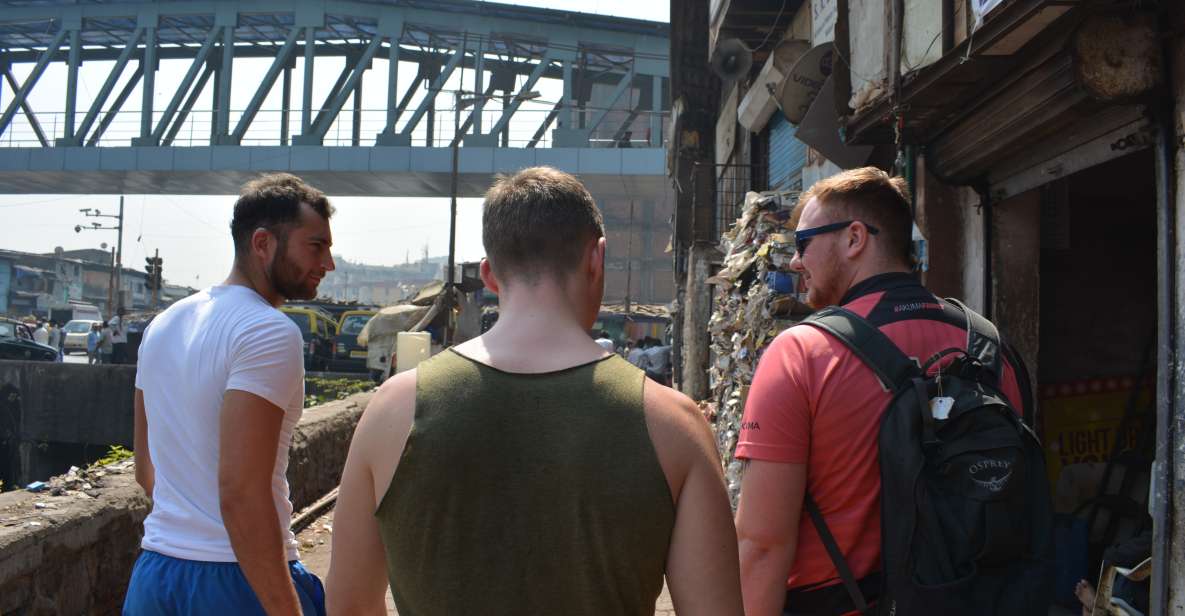
You start outside Third Wave Coffee, and that’s useful: it’s a simple, recognizable pin on the map, not a mystery alley you have to hunt for. Show up about 15 minutes early so you can get oriented before the walking begins.
Bring comfortable shoes (you’ll be on your feet for a long stretch), a hat for sun, and a camera if you want photos. A reusable water bottle is a smart move—hydration matters when you’re walking through busy streets, especially rain or shine.
A few limits are worth taking seriously: no baby strollers and no luggage or large bags. Also, restroom access may be limited during the route, so use facilities before you meet your guide. The tour runs rain or shine, so pack for wet weather if that’s part of your forecast.
You can also read our reviews of more tours and experiences in Mumbai.


Dharavi on foot: lanes, workshops, and an economic view of daily life
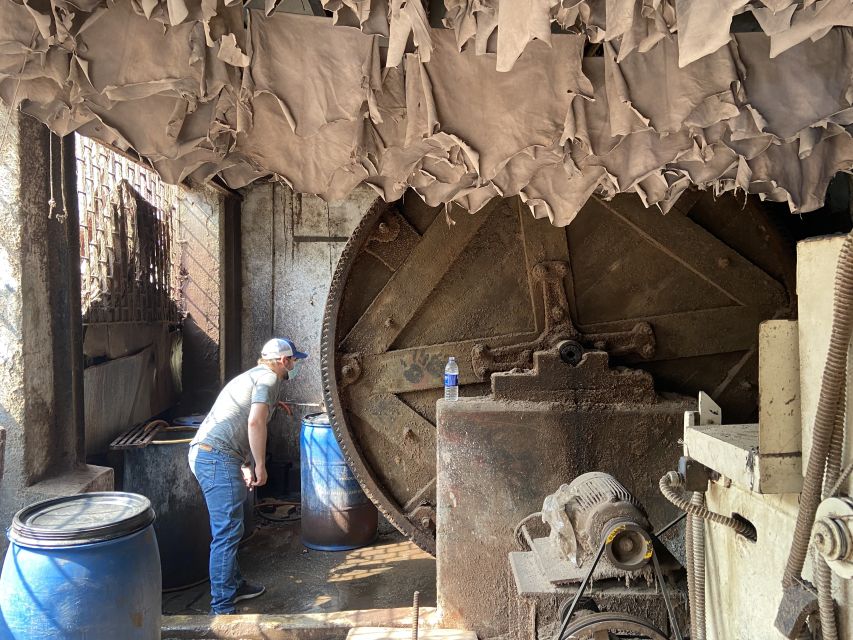
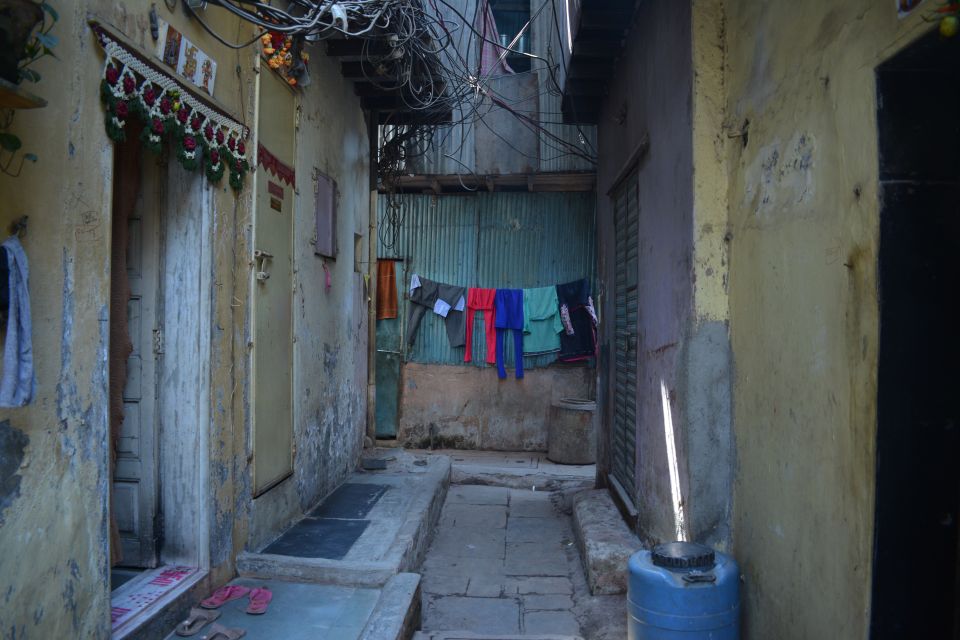
The heart of the experience is about 2.5 hours in Dharavi with a guided walk. You’ll move through narrow lanes and pass a mix of skilled artisans, small-scale industries, and community life—so you’re not just looking at buildings, you’re watching work connect to money, supply chains, and pride.
What I like most here is the angle: this isn’t framed as a tragedy tour. You’ll learn how Dharavi contributes to Mumbai’s economy through trades such as pottery and leatherwork, plus small production and recycling activity. You also get a better sense of the local entrepreneurial spirit, because the emphasis stays on what people make, reuse, and sell.
Your guide plays a big role in how the neighborhood feels. Guides such as Pooja and Varsha are noted for strong explanations and the ability to keep questions flowing, while Anushka is described as able to tell stories from life in Dharavi. That matters because Dharavi can feel overwhelming at first. A good guide helps you notice what’s practical: what’s being produced, why certain materials are handled a certain way, and how people organize work in limited space.
Recycling and small industries: seeing value where you expect waste
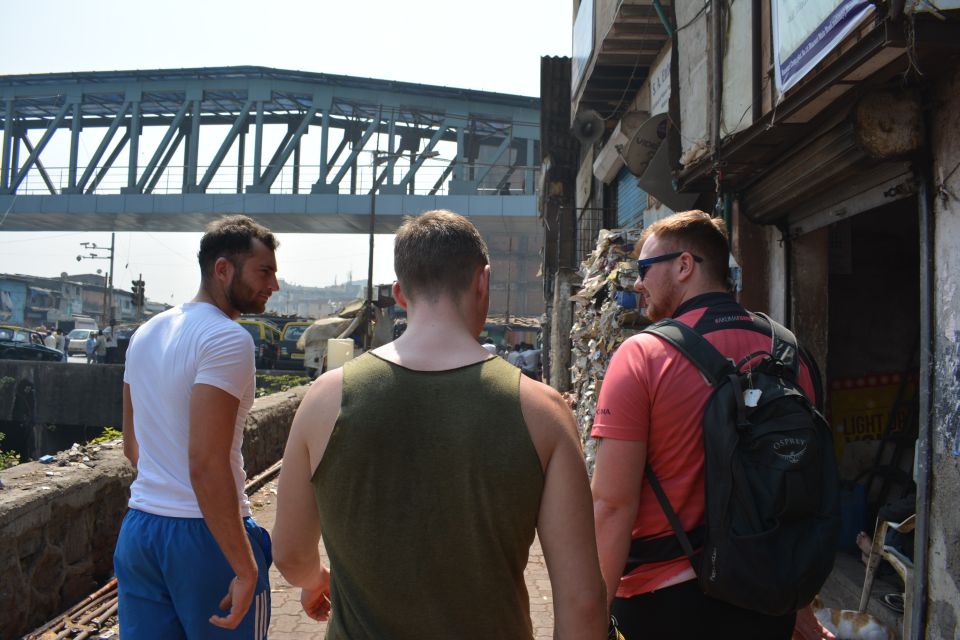
The standout promise of this tour is that you’ll witness recycling practices that turn discarded materials into usable products. In real terms, that means you’ll walk past areas where waste is sorted and then fed into production—so instead of thinking of recycling as a distant policy topic, you see it as day-to-day labor.
The tour also highlights the way Dharavi supports output through multiple types of work. You may pass workshops tied to textiles and handicrafts, and you’ll connect that to the recycling side: materials get recovered, reprocessed, and then become something saleable. That’s one of those ideas that clicks fast once you see the workflow in person—waste is not just removed, it becomes raw material.
One more detail that helps: you’re not just touring a single craft. You’re moving through a neighborhood where different industries run close to each other. That makes the place feel like a functioning economic system rather than a collection of random workshops.
Markets, textiles, and the craft side of Dharavi
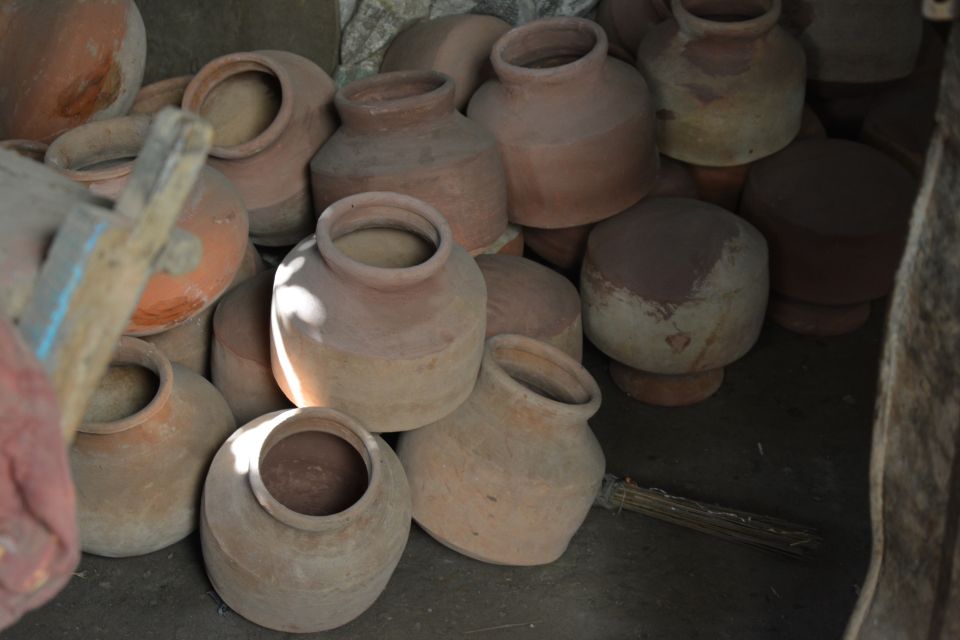
A big part of your time in Dharavi is exploring areas that feel like working markets. This is where you’ll spot handicrafts and textiles, and where the tour’s story about resilience becomes more tangible. You can’t miss the constant movement—materials coming in, items being made, and goods being handled for sale.
If you’re the type who likes to understand what you’re buying before you buy it, this is a good setup. You’ll have context for why certain materials or craft techniques matter, and you can ask questions through your guide instead of guessing.
Just keep your expectations realistic: this is not a calm shopping street. You’ll be walking through busy places, and you’ll want to follow your guide’s pacing and boundaries. The goal is learning and respect, not performance.
Dhobi Ghat from the viewing deck: watching hand-laundry at scale
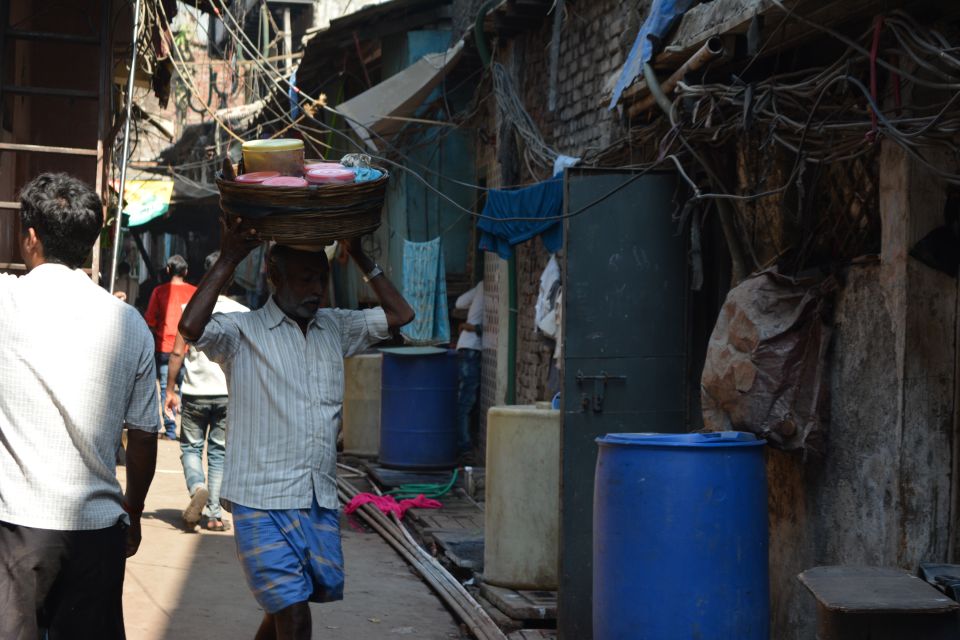
After Dharavi, your route ends at Dhobi Ghat, the world-famous open-air laundry. From the viewing deck, you’ll watch a large operation where hundreds of washermen wash, dry, iron, and sort clothes by hand. It’s one of the few places in a huge city where you can watch a whole process unfold in front of you.
What makes Dhobi Ghat fascinating is not only the size—it’s the coordination. You see how each step connects: clothes go through washing, then drying, then sorting. The whole place runs like a rhythm you can spot even without technical knowledge.
Because the stop is from a deck, plan for viewing rather than participation. If your hope is to get right down into the work area, this tour’s structure is more “watch the system” than “get inside the machinery.” That’s a trade-off, but it also keeps the experience focused and easier to manage for groups.
Photography is also something to handle thoughtfully here, just like in Dharavi. You’ll be guided on what’s appropriate, and you should treat the laundromat workers as real people, not background props.



How the guides shape the experience (and why it matters)
The best tours are the ones that manage your emotions: curiosity, surprise, and sometimes discomfort. That’s where the guides earn their keep. People highlighted English communication, humor, and the ability to answer questions on the spot—especially during the Dharavi portion.
Guides like Pooja and Varsha are specifically associated with clear industry explanations and guidance around when it’s okay to photograph and when it’s not. Anushka is noted for telling stories and chatting naturally, which makes the walk feel less like a lecture and more like you’re learning with someone who actually knows the neighborhood.
Here’s the practical takeaway for you: bring questions. Ask about the industries you see, how recycling connects to production, and how day-to-day work fits into the neighborhood. If your guide asks you to wait for a safer moment to take a photo, follow it. That one habit makes the difference between respectful observation and unwanted attention.
Walking conditions and other trade-offs you should plan for
This tour is for you if you don’t mind walking in real city conditions. Dharavi involves narrow lanes and busy streets, so you’ll want comfortable shoes and a steady pace. People also note that restrooms can be limited, which is why starting hydrated and using facilities before you go is smart.
You also won’t get meals or drinks included. Dhobi Ghat and Dharavi both involve time on foot and time watching long processes, so you’ll feel the gap if you arrive hungry. Plan a meal before or after, and bring water.
Another reality check: photography is allowed, but it’s regulated by dignity. Your guide’s instructions matter. Treat the residents and workers like people who live here and work here—not like scenery.
Finally, this isn’t suitable for everyone: it’s not for wheelchair users, and it’s not meant for people over 95. If mobility is an issue, this is probably not the right match.
Price and value: why under $5 can work (if you’re prepared)
At about $4.94 per person for a 3-hour experience, you’re paying for three main things: an English-speaking guide, entry to Dharavi, and the paired visit to Dhobi Ghat. That’s a strong value equation compared to tours that only do one site or rely on you to figure out logistics on your own.
But value also depends on what’s not included. There’s no hotel pickup or drop-off, so you’ll need to get yourself to Third Wave Coffee. And since there’s no food or drinks included, you’re responsible for your own snack and water.
If you travel with that mindset—comfortable shoes, a meal planned, and curiosity turned on—this tour feels like a bargain for the amount of real work you see.
Who should book this Dharavi + Dhobi Ghat tour
I think this is a great choice if you want Mumbai beyond postcards. You’ll enjoy it if you like understanding how cities function at human scale: how materials get reused, how small industries survive, and how traditional laundry work still powers daily life.
You’ll also like it if you enjoy meeting a guide who can explain what you’re seeing while managing sensitive moments like photography. The experience is built around respectful observation and practical learning, not shock value.
You might skip it if you need a low-walking itinerary, if crowd movement stresses you out, or if you’re looking for a mostly seated, comfortable experience. With Dhobi Ghat, remember the viewing-deck focus, so plan to watch the process more than move around inside it.
Should you book it? My honest call
Book it if your goal is work you can see—Dharavi’s recycling and production side, plus Dhobi Ghat’s open-air hand-laundry at a scale that’s hard to imagine until you stand there. The guides’ skill in explaining industries and keeping the photo rules respectful is a huge part of why this works, and the price for a guided, ticketed combo is genuinely attractive.
Pass or look for an alternative if you can’t handle walking through narrow lanes, if restroom limits would be a problem, or if you need full accessibility support. This isn’t built for comfort-first travelers.
If you do book, your best move is simple: wear shoes you trust, carry water, plan your meal, and ask questions. You’ll leave with a better mental map of how Mumbai turns everyday labor into economic fuel.
FAQ
Where is the meeting point?
Meet your guide outside the Third Wave Coffee shop.
How long is the tour?
The tour lasts about 3 hours.
What’s included in the price?
Entry tickets to Dharavi (Asia’s largest slum) and an English-speaking tour guide are included.
Is food or drinks included?
No. Food and drinks are not included, so plan to eat before or after the tour.
Is photography allowed?
Photography is allowed, but you must respect residents’ privacy and follow your guide’s instructions.
Is the tour wheelchair accessible?
No. The tour is not suitable for wheelchair users.
What should I bring?
Bring comfortable shoes, a hat, and a camera. A reusable water bottle is encouraged.
Is there a restroom during the tour?
Restroom facilities may be limited during the tour, so it’s best to use facilities before you begin.
Does the tour run in bad weather?
Yes. The tour operates rain or shine, so bring appropriate clothing or an umbrella if needed.