REVIEW · MUMBAI
From Mumbai: Half-Day Elephanta Caves Tour with Ferry Ride
Book on GetYourGuide →Operated by India Tour · Bookable on GetYourGuide
That first ferry leaving Gateway of India is pure movie magic. You’ll glide across the Arabian Sea, then step into UNESCO-listed rock-cut caves where sculptors carved gods, myths, and even scenes from Buddha life into dark stone. I especially like how the tour keeps things smooth in a place that can feel confusing on your own, and how you get real context from your guide inside the caves.
Two things I really like: the ferry-and-caves flow (Gateway of India to Elephanta Island and back, with a helper to get you through the busy bits), and the chance to see Cave 1’s towering three-faced Trimurti sculpture up close. One consideration: the caves are closed every Monday, and the pacing is tight enough that pregnant travelers may want to choose a different plan.
In This Review
- Key things I’d focus on before you go
- Gateway of India to Elephanta: the part that makes the day work
- Arriving on Elephanta Island: walk up or use the toy train
- Cave 1 and the Trimurti: the 20-foot wow moment
- The other caves: courtyards, pillars, and myth scenes
- Island time beyond the caves: museum, views, and a little breathing room
- The pace in 4 hours: what fits, what might feel rushed
- Value for $26: what you’re really paying for
- Logistics that matter: Monday closure, pets, and comfort
- Should you book this Elephanta half-day tour?
- FAQ
- How long is the Elephanta Caves half-day tour?
- Where does the tour start from in Mumbai?
- Is the ferry ride included?
- What do we see inside the caves?
- How do we get from the jetty to the cave areas on Elephanta Island?
- Is there time to visit the museum or just caves?
- Are the Elephanta Caves open every day?
- Is this tour suitable for everyone?
- Can I hike for views?
Key things I’d focus on before you go
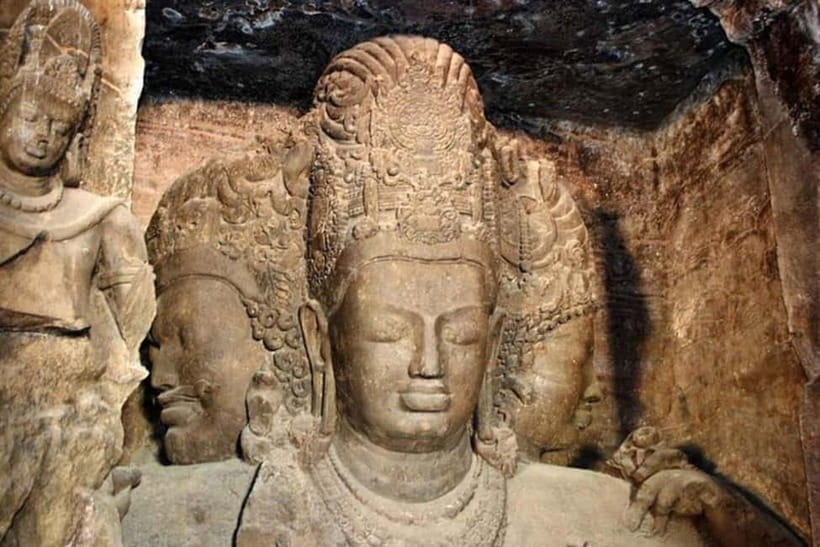
- Cave 1’s 20-foot three-faced Trimurti: the main visual payoff, built into the island’s rock-cut architecture
- Ferry views from the Gateway of India: Arabian Sea crossing that beats any rushed land transfer
- Island transport options: you can walk up from the jetty or take the small toy train
- Myth scenes in the carvings: not just Hindu deities, but also storytelling tied to Buddha life
- Cannon Hill is optional: a short hike for harbor views if you have energy
- Guides are part translator, part logistics: hosts like Danish DK and Hamid help you get oriented fast
Gateway of India to Elephanta: the part that makes the day work
If you’ve only got a half day, you want zero wasted effort. This tour starts at the Gateway of India, where you’ll take a ferry over the Arabian Sea with coastline views that make the trip feel like an event, not just a transfer.
Where this helps you is simple: the ferry area can be crowded and a little chaotic. Your guide-host (I’ve seen names like Danish DK and Hamid in action) helps you get on the right side of the process—boarding, timing, and finding the right place to be—so you spend less energy asking strangers and more energy looking at the water and city skyline.
You also get that classic Mumbai beat: the sea air, the motion, and then the moment the island starts to look real as the boat approaches. It’s the kind of start that makes the caves feel even more dramatic when you finally step into the shade.
You can also read our reviews of more tours and experiences in Mumbai


Arriving on Elephanta Island: walk up or use the toy train
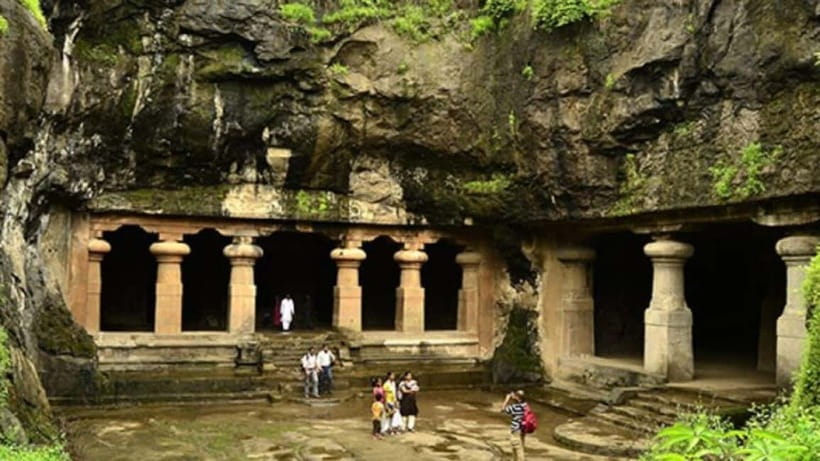
Once you reach Elephanta Island, you’ll deal with a small choice: you can walk from the jetty or take the small toy train up toward the cave areas. I like that this is offered because it lets you match the plan to your energy level without turning your visit into a stamina test.
From here, the day is about getting your bearings quickly. In practice, this tour typically moves you from ferry arrival into a guided route, and then into the cave area with a local guide leading the finer points once you’re there (names like Vaibhav and Krishna show up as cave guides in past departures).
That handoff matters. Rock-cut caves reward focus—tiny details in carvings and the way different panels relate to each other. Having someone who knows where to stand, what to point out first, and how to explain the symbolism makes a big difference in a short visit.
Cave 1 and the Trimurti: the 20-foot wow moment
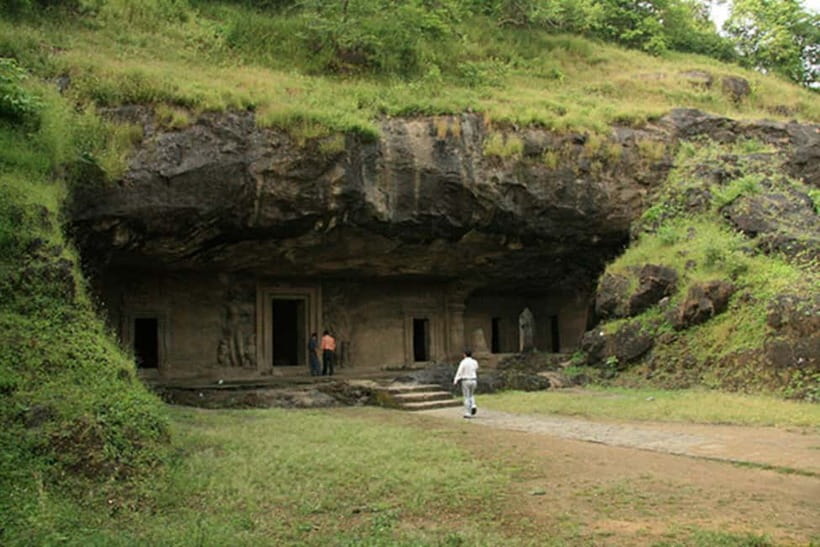
Cave 1 is the headline. This is where you’ll see the towering 20-foot-tall three-faced Trimurti sculpture, presented in the cave as a central divine figure, surrounded by intricate rock-cut carvings and temple-space design that makes the scale feel even bigger once you’re inside.
What I love about this stop is not just the size. It’s how the sculpture anchors the entire experience. You walk in, you spot the main figure, and then your eyes start connecting everything else you’re seeing—other deities, supporting carvings, and the idea that these caves were built for storytelling and devotion, not just decoration.
If you’re the type who likes structure, this is your cave. Cave 1 gives you a “start point,” so later caves don’t feel random. Even if you’re only going for a half day, you’ll still leave with one image you’ll remember clearly back home.
The other caves: courtyards, pillars, and myth scenes
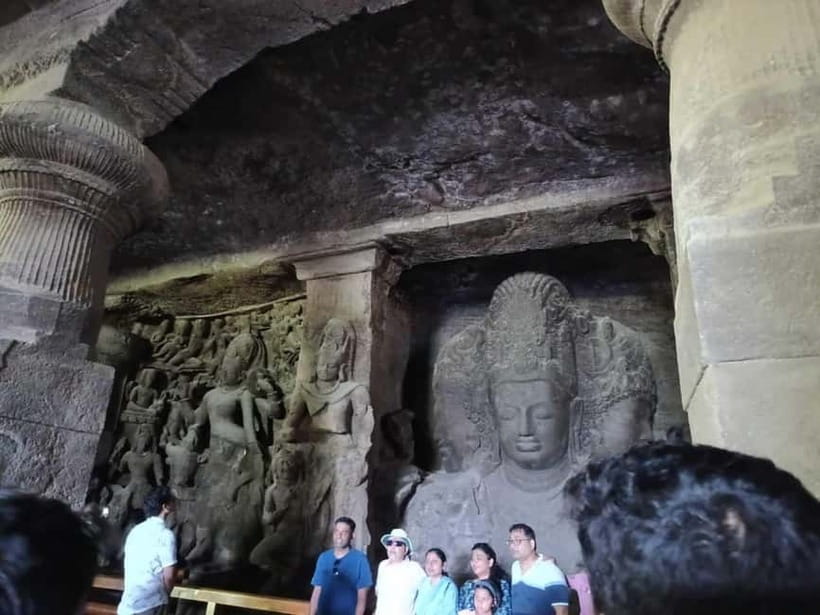
After Cave 1, you’ll keep exploring smaller cave temples and passage spaces, where the craftsmanship shows up in patterns and detail. The tour includes time to look at courtyards and pillars, plus the carved panels that depict Indian mythology.
One of the standout themes here is variety. The carvings you’ll encounter aren’t limited to one kind of story. You can see scenes tied to deities and mythology, including depictions connected to Buddha life. That mix is part of what makes the Elephanta Caves feel more than just one religious snapshot.
Practically, the best way to enjoy these areas is to take your time on the carvings that catch your eye. Use your guide to orient you, then slow down. In a place carved into stone, you’ll notice more when you’re not rushing.
And photo tips do matter. In the past, local guides like Krishna have helped with picture angles, which is helpful because the lighting and camera placement inside the caves can be tricky.
Island time beyond the caves: museum, views, and a little breathing room
This tour doesn’t force you to sprint from one cave to the next until you’re exhausted. You also get room to stroll around the island afterward, and you can visit the museum if you want more history and context about what you’re seeing in the rock-cut spaces.
If you’re trying to decide whether the museum is worth it, think of it as your “glue.” When carvings and architectural details are cool but feel abstract, a museum stop can connect the dots so you leave with a clearer mental map of what you saw.
If you want an active finish, you can also head toward Cannon Hill for a short hike. The payoff is the view—Mumbai’s harbor from higher ground. It’s not a long trek, but it changes the texture of the day by adding open air right after time underground.





The pace in 4 hours: what fits, what might feel rushed
Four hours sounds short until you break it down: ferry time, cave time, and the return ferry. The biggest thing to know is that Elephanta caves are a concentrated visit. You’ll have a guided route and time for the main highlights, but this is not a “crawl every corridor” kind of day.
That’s why the guide-host part matters so much. When your host is helping with ferry tickets, entry flow, and transition between the ferry area and the caves, your time stays focused on the actual sightseeing.
Also, the cave visit itself has a natural rhythm: move from the entrance area to the main sculpture zone (Cave 1), then continue through additional caves and carvings. If you want the best experience, don’t treat it like a race for photos. Treat it like a guided walk with pauses.
One extra tip from real-world experience: if you can choose your departure time, go earlier in the day. I’ve seen advice that morning tours often mean fewer crowds and cooler conditions, which makes the ferry and the island walking feel easier.
Value for $26: what you’re really paying for
At about $26 per person for a half-day, the value isn’t the caves alone—it’s the friction removed.
You’re getting a lot bundled in:
- hotel pickup and drop-off (optional depending on your exact booking setup)
- a local guide plus a guide-host to keep the day organized
- entry ticket
- ferry ride
- a water bottle
That package is helpful in Mumbai because the tricky part isn’t only the ticket. It’s figuring out what to do first, where to be, and how to move between the Gateway of India area and the island without wasting time.
The local guide handoff also boosts value. Having one person support logistics (like Danish DK or Hamid) and another guide lead the cave explanations (like Vaibhav or Krishna) tends to give you both smooth navigation and better on-the-ground interpretation.
What you still need to plan is simple: bring sunscreen, wear shoes you can walk in, and be ready for some stairs and uneven stone paths. Elephanta isn’t a flat promenade.
Logistics that matter: Monday closure, pets, and comfort
Two practical things can completely change your day.
First: the Elephanta Caves are closed every Monday. If your schedule lands on Monday, you’ll need a different activity.
Second: the tour isn’t suitable for pregnant women. Even if you’re fit and comfortable with travel, this visit includes island movement and cave walking that may not be ideal.
Other small notes: pets aren’t allowed, and your meeting point can vary depending on what you booked. If you’re using an optional pickup, confirm the exact pickup spot in advance so you’re not hunting around the Gateway of India area while the group is forming.
On the comfort side, the tour includes a water bottle, and some ferry services used for this route have been described as comfortable—nice when you want to settle in and enjoy the sea crossing.
Should you book this Elephanta half-day tour?
I’d book it if you want a focused, high-impact Elephanta visit without turning your day into a navigation puzzle. The combination of the ferry ride from the Gateway of India, the guided route into the caves, and the chance to see Cave 1’s three-faced Trimurti makes it a strong “best of Elephanta” option.
Skip it or reconsider if:
- your travel dates include a Monday (because the caves are closed)
- you’re pregnant and want a gentler day
- you’re the kind of traveler who wants total freedom to wander for hours without structure (this one is built to fit highlights into a half day)
If you do book, try to pick an earlier time slot when possible, and come with comfortable shoes. Then let the guides do their job: get you oriented fast, and help you read the carvings so the stone stories land.
FAQ
How long is the Elephanta Caves half-day tour?
The duration is about 4 hours.
Where does the tour start from in Mumbai?
It starts at the Gateway of India, where you take a ferry to Elephanta Island. The exact meeting point can vary based on your booking option.
Is the ferry ride included?
Yes. The tour includes the ferry ride from the Gateway of India to Elephanta Island and back.
What do we see inside the caves?
You’ll explore the rock-cut cave temples with detailed carvings. Cave 1 is the main highlight, featuring the 20-foot-tall three-faced Trimurti sculpture, and you’ll also see other caves and scenes from Indian mythology (including depictions connected to Buddha life).
How do we get from the jetty to the cave areas on Elephanta Island?
You can either walk from the jetty or ride the small toy train.
Is there time to visit the museum or just caves?
There’s time to stroll around the island after the cave visit, and you can visit the museum if you want more history.
Are the Elephanta Caves open every day?
No. The Elephanta Caves are closed every Monday.
Is this tour suitable for everyone?
It isn’t suitable for pregnant women, and pets aren’t allowed.
Can I hike for views?
Yes. The plan includes the option of a short hike up to Cannon Hill for views of Mumbai’s harbor.