REVIEW · MUMBAI
Best Combo Tour: Dabbawalas, Dhobi Ghat and Slum with Train
Book on GetYourGuide →Operated by India Trip Explore · Bookable on GetYourGuide
Lunchboxes and laundry run the show. In one tight loop, you’ll see Dabbawalas efficiency, the open-air work of Dhobi Ghat, and daily life in Dharavi, with local train rides stitched in between. It’s a very “Mumbai” combo: practical systems, street-level reality, and a view you can’t get from a bus window.
Two things I really like. First, you get to watch the legendary lunchbox delivery system in action—sorting and moving thousands of meals across the city with a rhythm that’s been going for over a century. Second, the tour uses a local train ride as transportation, so you’re not just sightseeing, you’re moving with the city.
One consideration: food and drinks are not included, and this is a 4-hour walking-and-standing day in active public spaces. If you’re sensitive to heat or smell, Dhobi Ghat may take a little preparation.
In This Review
- Key points you’ll care about
- Starting at Churchgate: How the day gets you oriented
- Dabbawalas in motion: lunchbox delivery that runs like a system
- Local train rides: a short commute that changes your perspective
- Dhobi Ghat: the open-air laundry that you can’t ignore
- Dharavi in 2 hours: alley life, workshops, and local business
- Price and value: why $32 can work for a lot of moving parts
- What to bring (and what to expect in the real city)
- Who this combo tour suits best
- Should you book this Mumbai combo?
- FAQ
- FAQ
- How long is the Dabbawalas, Dhobi Ghat and Slum with Train combo tour?
- Where does the tour start?
- What are the main stops on this tour?
- Are train tickets included?
- Is food included in the price?
- What language is the guide?
- Is water included?
- What is the cancellation policy?
Key points you’ll care about
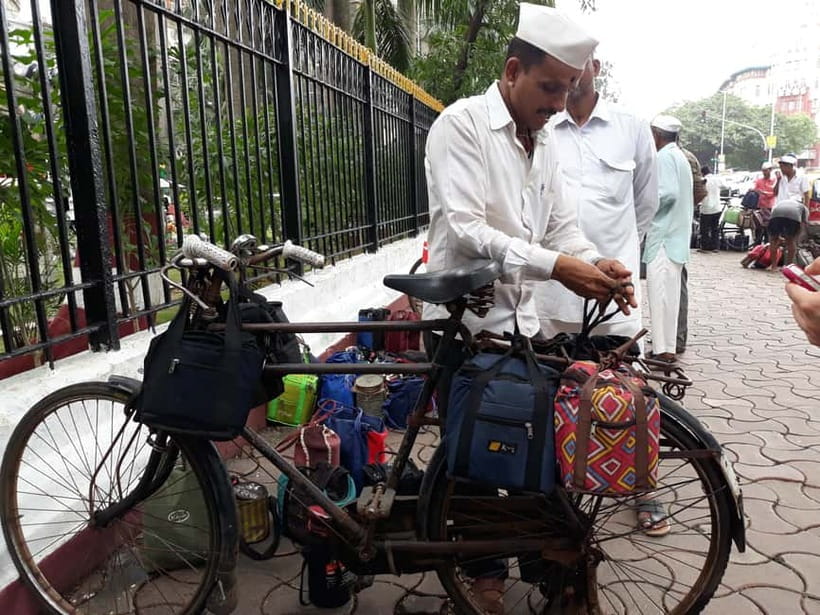
- Dabbawalas lunchbox logistics: see how sorting and delivery works at real-world speed.
- Dhobi Ghat is hand-laundry in the open: concrete troughs, dhobis washing and drying clothes.
- Suburban trains are part of the tour: short rides that show Mumbai’s commute culture.
- Dharavi in guided time: narrow lanes, workshops, and street markets with local context.
- English-speaking guide + water: practical support, plus bottled water is included.
- Finish point is in South Mumbai: you end near Sai Multispeciality Hospital & Research Centre.
Starting at Churchgate: How the day gets you oriented
Your tour meets at Churchgate Railway Station near the ticket window at the chemist called DAVA DISCOUNT. It’s a smart choice because Churchgate is a major starting point for Mumbai’s suburban train network, so you’re already in the city’s working heart before the first stop.
You’ll begin with a photo stop and guided walking tour for about 30 minutes. This isn’t just for photos. It’s where you get a quick sense of where you are, what you’ll see next, and how the timing works—because once the trains start, Mumbai moves fast.
You can also read our reviews of more tours and experiences in Mumbai.

Dabbawalas in motion: lunchbox delivery that runs like a system
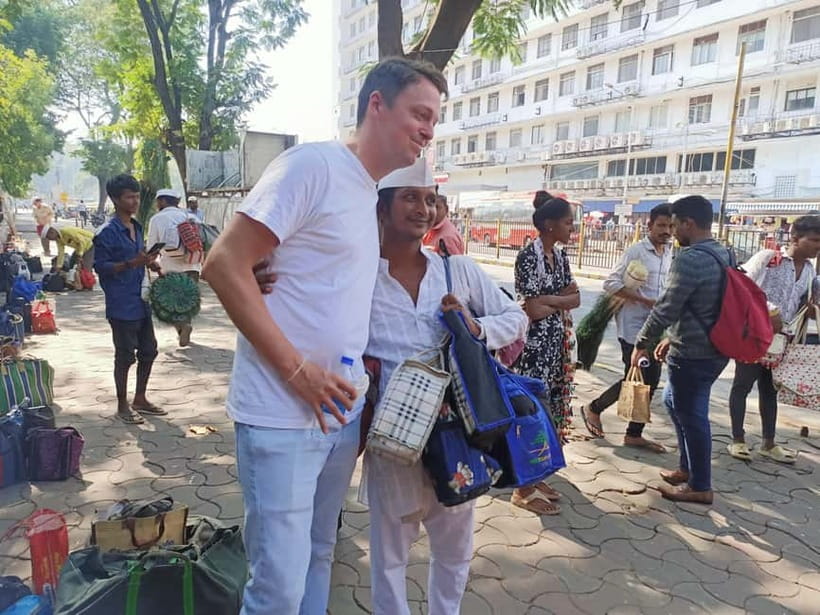
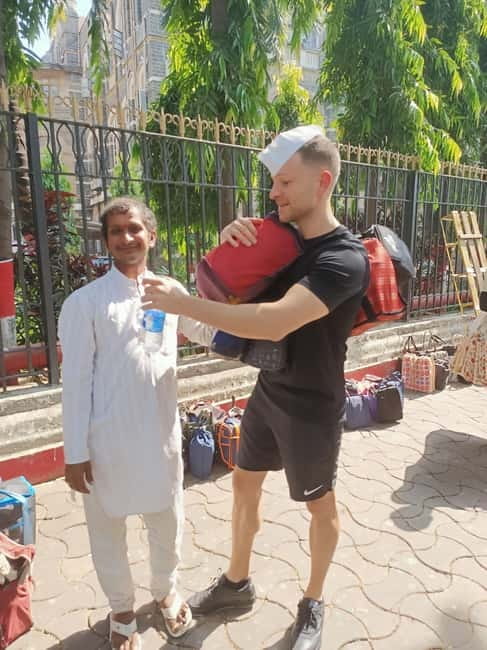
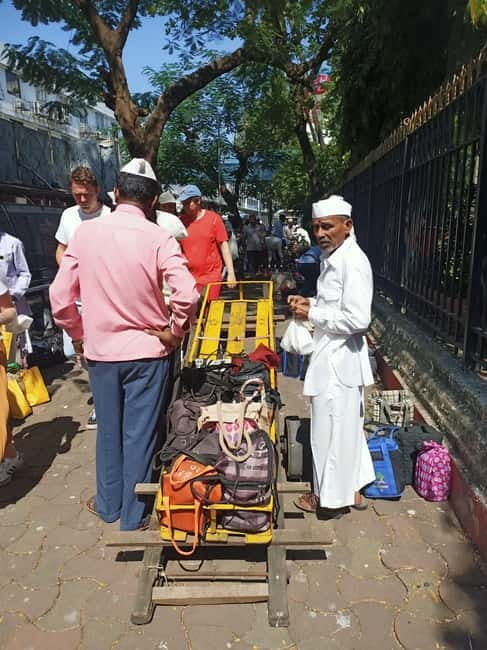
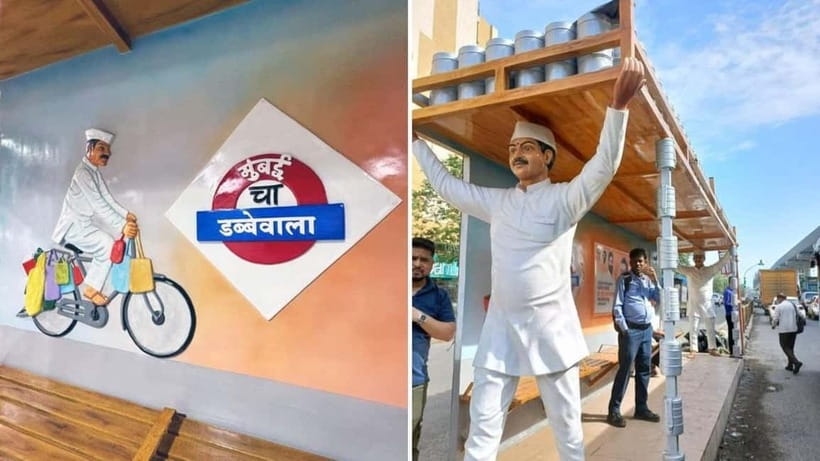
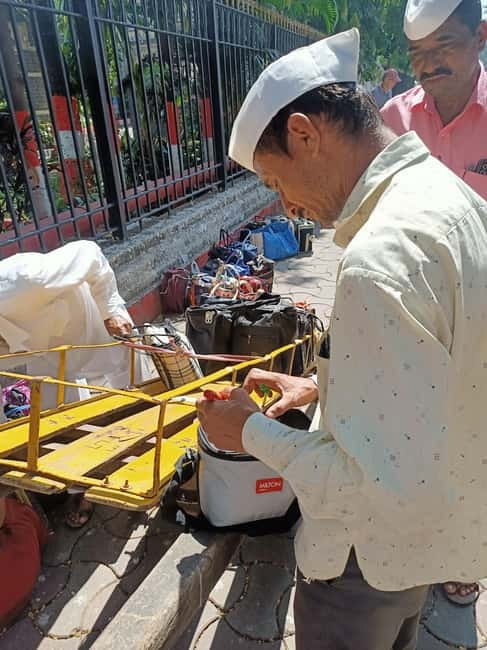
The headline here is the Dabbawalas—the legendary lunchbox delivery service operating in Mumbai for more than a century. The tour is designed to show you the mechanics, not just the idea. You should expect to see people involved in the process of sorting and transporting lunchboxes, watching how the system stays organized while handling huge daily volumes.
What I love about this stop is that it turns a famous name into something you can actually picture. Instead of hearing about efficiency in theory, you see how the work is broken down into steps—sorting, delivering, moving lunchboxes across the city.
A practical note: this is a working setup, so you’ll want to keep your pace steady and follow your guide’s cues for where to stand and when to move on. If you like logistics, route planning, or just the satisfaction of a well-run operation, you’ll get a lot out of this part.
Local train rides: a short commute that changes your perspective
Between stops, the tour includes local train rides—about 5 minutes for one segment and around 10 minutes for another. These aren’t long “ride all day” moments. They’re short, intentional hops that help you feel the actual city rhythm: the flow of commuters, the soundscape, and the sense that Mumbai’s transit is how people truly live.
Because local train tickets are included, you don’t have to manage anything complicated in the moment. You also get to experience the trains as an insider rather than an observer on a commentary-only tour.
Tip: on train platforms and in station areas, people move in quick bursts. Stay close to your guide and keep your camera strap secured. This is one of those days where good personal positioning matters more than anything else.
Dhobi Ghat: the open-air laundry that you can’t ignore
Next up is Dhobi Ghat, described as the world’s largest outdoor laundry. The tour gives you a photo stop, visit, guided tour, and a walk of about 30 minutes here.
This is handwork you can see. Dhobis work in open-air concrete troughs, washing and drying clothes in the open. It’s not a museum version. It’s a functioning workplace, and the visuals come from that reality: steady repetitive tasks, people working close together, and the physical effort of washing by hand.
Why this stop is valuable: it shows a city industry that most visitors never experience directly. You come away with a clearer understanding that Mumbai isn’t only about landmarks. It’s also about services—laundry, delivery, repair, and the everyday labor that keeps city life moving.
Considerations: Dhobi Ghat is outdoors, and you’ll likely notice the strong laundry environment. If you’re going on a hot day, wear breathable clothing and plan for the fact that you’ll be standing and walking in an active work area.
Dharavi in 2 hours: alley life, workshops, and local business
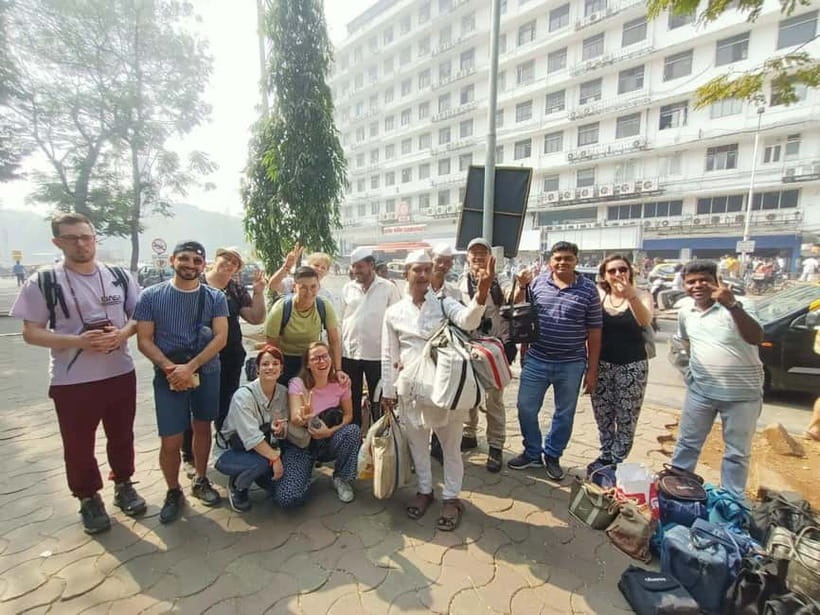
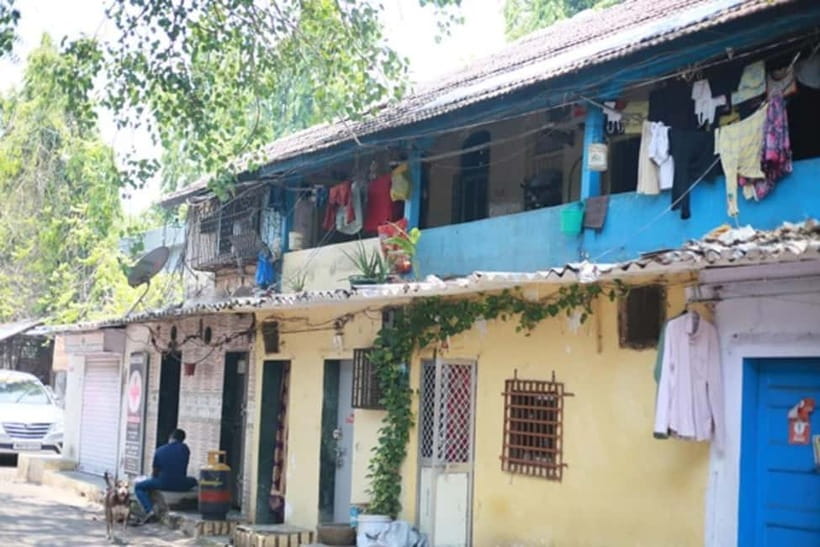
The final major stop is Dharavi, one of Asia’s largest and most dynamic slum areas. Your time here runs about 2 hours and includes photo stops, guided touring, sightseeing, and walking.
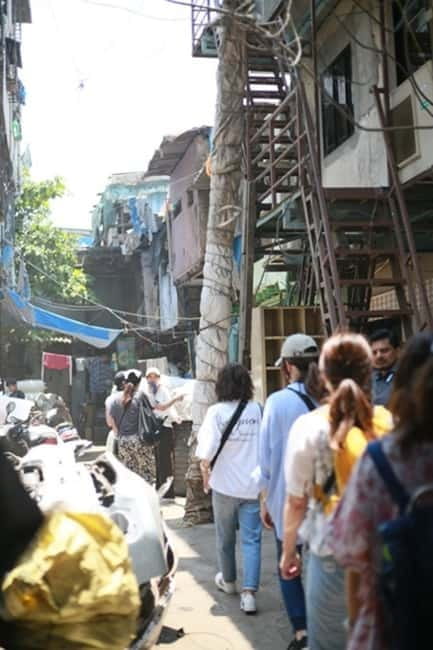
This part of the day is about context. You’ll move through narrow alleyways, see workshops, and pass street markets. The emphasis is on community resilience and entrepreneurial spirit—how people create livelihoods, run small businesses, and keep neighborhoods functioning through creativity and hard work.
A key detail is that this tour is led by a knowledgeable local guide, which matters in Dharavi. Without guidance, it’s easy to reduce the area to stereotypes. With guidance, you’re more likely to understand the day-to-day realities: what people do for work, how local spaces are used, and why the area has such a strong internal economy.
Safety also comes up in how this tour operates. Past participants have been reassured by the way guides keep the group together and help you feel comfortable while walking through busy lanes.





Price and value: why $32 can work for a lot of moving parts
At $32 per person for a 4-hour tour, you’re paying for more than a checklist of attractions. You’re paying for three hard-to-replicate elements in one package:
- a local guide in English
- local train tickets
- and bottled water (included)
Food is not included, so you’ll want to budget for snacks or lunch after the tour. Still, value-wise, this pricing makes sense if you’d otherwise have to plan separately: trains, guided interpretation, and coordinated transitions between Churchgate, Dhobi Ghat, and Dharavi.
If you love practical travel—using transit like locals, seeing real work environments, and getting local context—this price feels closer to a “guided city circuit” than a standard sightseeing tour.
What to bring (and what to expect in the real city)
This tour covers workspaces and public neighborhoods, not sealed-off tourist sets. That means comfort matters.
Bring:
- comfortable walking shoes (you’ll be walking at multiple stops)
- a light layer for outdoor time
- a small bag that’s easy to keep secure on trains and in crowded lanes
- water is provided, but consider bringing a little extra if you tend to get thirsty
Expect:
- active environments at Dhobi Ghat and in Dharavi, where people are working and moving through shared spaces
- photos along the way, but not a slow, stop-every-5-seconds kind of day—this is paced for multiple locations in 4 hours
If you’re sensitive to strong odors, Dhobi Ghat may be the toughest moment. Plan your mindset for it: you’re seeing a working laundry, not a staged photo spot.
Who this combo tour suits best
This one is ideal for you if:
- you want more than monuments and you enjoy Mumbai’s daily systems
- you’re curious about the Dabbawalas lunchbox operation and how it stays organized
- you want a real-feeling transit moment via local trains
- you’re interested in understanding Dharavi through guided walking—alleyways, workshops, and street markets
It’s also a good fit for first-time visitors who want a condensed snapshot of how Mumbai works at ground level: delivery logistics, laundry labor, and small-scale industry in one afternoon.
Should you book this Mumbai combo?
I think you should book it if you want a focused, time-efficient tour that connects three recognizable Mumbai stories—Dabbawalas, Dhobi Ghat, and Dharavi—with the city’s transit system. The included guide and train tickets do real work for you, and the stops are practical and memorable in a way that feels lived-in.
You might want to choose something else if you dislike walking in active public areas, prefer tours where everything is indoors and controlled, or you don’t want your day to include a strong laundry environment at Dhobi Ghat.
FAQ
FAQ
How long is the Dabbawalas, Dhobi Ghat and Slum with Train combo tour?
It lasts about 4 hours.
Where does the tour start?
The meeting point is Churchgate Railway Station near the ticket window at the chemist called DAVA DISCOUNT.
What are the main stops on this tour?
You’ll visit Churchgate (photo stop and guided tour), then go on a train ride to Dhobi Ghat, ride the local train again, and finish your sightseeing in Dharavi. The tour finishes at Sai Multispeciality Hospital & Research Centre.
Are train tickets included?
Yes. Local train tickets are included, and the tour also includes an English-speaking guide.
Is food included in the price?
No. Food and drinks are not included.
What language is the guide?
The guide is English speaking.
Is water included?
Yes, a water bottle is included.
What is the cancellation policy?
Free cancellation is available up to 24 hours in advance for a full refund.