REVIEW · MUMBAI
Mumbai: Dharavi Slum Walking Tour with Local Slum Dweller
Book on GetYourGuide →Operated by Mumbai Dream Tours · Bookable on GetYourGuide
Dharavi looks different when a resident leads. This walking tour in Mumbai shows how people work, recycle, and make goods in tiny spaces, with stops that go from leather workshops to plastic recovery. You meet your guide at Third Wave Coffee and head back there at the end, with Dharavi right in front of you.
I love the resident-led perspective. In particular, guides like Abhishek and Bharti bring the tour into focus with friendly explanations and a clear sense of daily life, not a script. I also love the hands-on realism of the work: Dharavi’s recycling economy is estimated around 1 billion US dollars annually, and you’ll see how plastic is handled and repurposed rather than treated like waste.
One possible drawback: this is a working neighborhood, not a museum. Expect lots of moving through narrow alleys and close quarters, so closed-toe shoes matter, and you’ll want to stay respectful and ready to be challenged.
In This Review
- Key highlights worth knowing
- Meeting at Third Wave Coffee: a practical start in Mumbai
- Dharavi through a resident guide: seeing work, not just poverty
- The stops that change your view: Slumdog, leather workshops, and more
- Recycling is the real economy: plastic, oil cans, and clever reuse
- Faith and community on the same streets
- Hands-on pottery with local potters (optional)
- Vegetarian lunch with a local family (optional)
- Comfort, shoes, and the respect factor that keeps the day smooth
- Price and value: why $14 can feel like a bargain
- Who should book this Dharavi tour, and who should think twice
- Should you book this tour?
- FAQ
- Where do I meet my guide?
- Where does the tour end?
- How much does the tour cost?
- What’s included in the tour price?
- Is water included?
- Can I add pottery making to my tour?
- Can I add lunch with a local family?
- Will we see the Slumdog Millionaire filming location?
- What should I bring?
- Is reserve & pay later available, and what about cancellations?
Key highlights worth knowing
- Local guides share lived context, including pride in the community and answers to real questions
- Slumdog Millionaire filming spot plus active small industries like leather and soap-making
- Recycling is the backbone, from plastic recovery to clever reuse of vegetable-oil cans
- You’ll spot daily education and health infrastructure, like schools and hospitals along the way
- Optional pottery workshop lets you try throwing on a wheel and make a Kumbharwade piece
- Optional vegetarian lunch means eating with a local family, sitting on the floor and using your hands
Meeting at Third Wave Coffee: a practical start in Mumbai
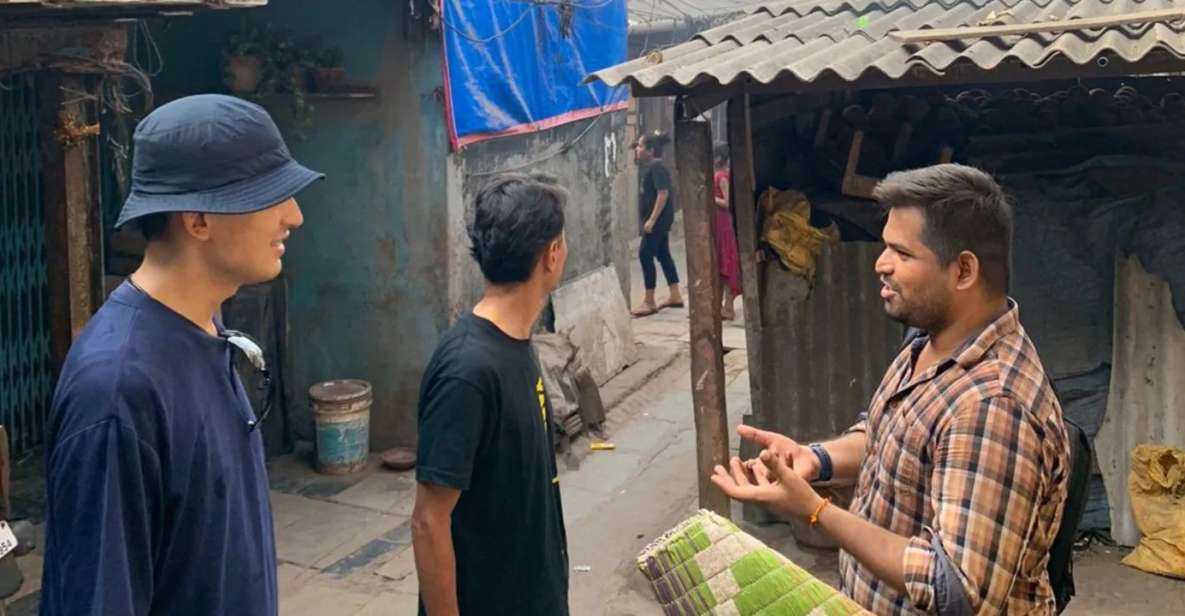
This tour starts at Third Wave Coffee, which is a smart move in a city as big as Mumbai. It gives you an easy, modern meeting point, then shifts you quickly into a very different world as your guide takes you from the comfort of a known landmark into the backstreets.
From the first step, the experience is about setting the right mindset. You’re not there for pity. You’re there to understand how a dense community creates work, solves problems, and keeps going day after day. That shift matters because the word slum can cause visitors to tune out. Here, you’re encouraged to look at people first, then notice the systems they’ve built.
And since the tour ends back at the meeting point, you don’t have to worry about figuring out your way out afterward. Just plan to dress for walking and close proximity to others, because Dharavi isn’t designed for wide sidewalks or slow sightseeing.
You can also read our reviews of more walking tours in Mumbai

Dharavi through a resident guide: seeing work, not just poverty
The best part of this tour is that it’s guided by someone who knows the area from the inside. Guides like Abhishek, Bharti, Dhruvesh, Hardik Tank, and Rakesh are consistently praised for being warm, respectful, and clear about what’s going on. Even when you don’t know the history of the place, you can still follow the logic of how people live and earn.
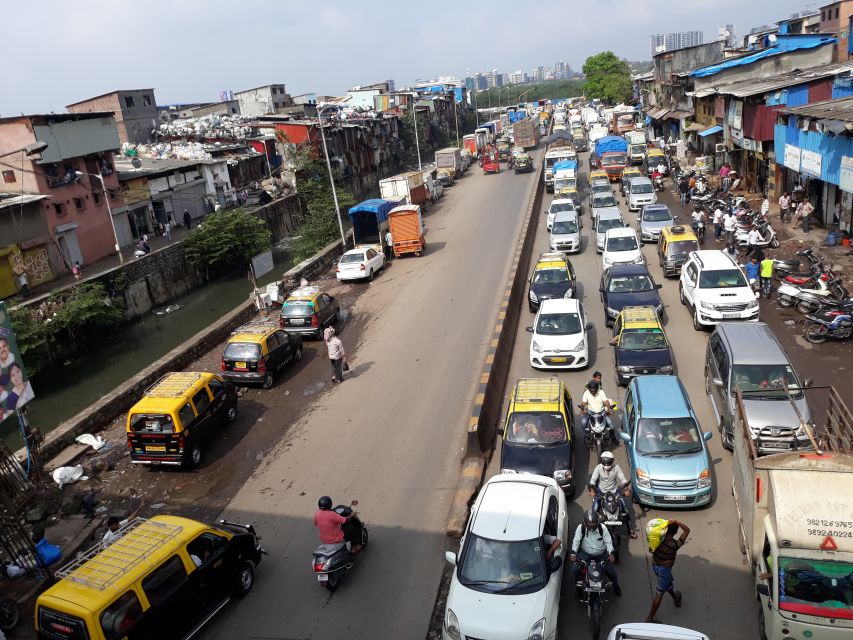
You’ll move past a mix of homes and work areas, with the “job” of the community visible in plain sight. The tour is designed to challenge assumptions—especially the idea that nothing functions beyond survival. Instead, you’ll see a network of small-scale industry: production, repair, and recycling connected by families and neighbors.
One subtle benefit: because the guide lives there or has deep ties to the community, your questions get answered in a way that feels human. That’s why reviews highlight safety and welcome. When the guide sets boundaries about where to walk and how to interact, you’re less likely to feel like a spectator and more likely to feel like a visitor who’s learning the rules of a real neighborhood.
The stops that change your view: Slumdog, leather workshops, and more
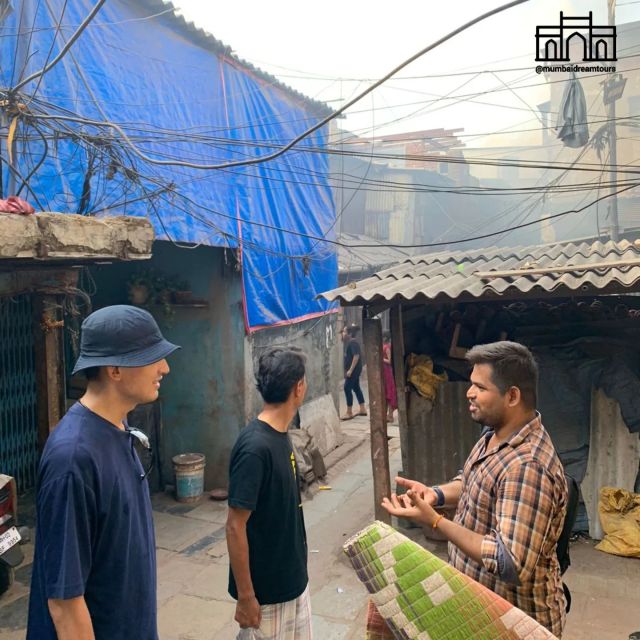
This isn’t a random walk. You get a sequence of stops that connect pop culture to local industry and then to daily life.
First, there’s the place where Slumdog Millionaire was shot. It’s a moment that many people expect to see, but what makes it meaningful is what comes after. The tour doesn’t stop at the film reference—it uses it as a bridge to explain why Dharavi has long attracted attention, and what the on-the-ground reality looks like now.
Then the walk turns into industry. You’ll visit areas tied to:
- leather workshops
- soap manufacturers
- colored dye makers
- a market area
- a bakery
- schools and hospitals
The point isn’t to treat these as “tourist curiosities.” Instead, it shows how specialized work happens in tiny spaces. Dharavi’s economy isn’t one big factory; it’s lots of small operations that rely on skills, repetition, and materials constantly moving through the neighborhood.
If you’re someone who likes to understand how products actually get made, this portion is going to hit. You’re not watching a process in a brochure—you’re seeing it in the same place where people live.
Recycling is the real economy: plastic, oil cans, and clever reuse
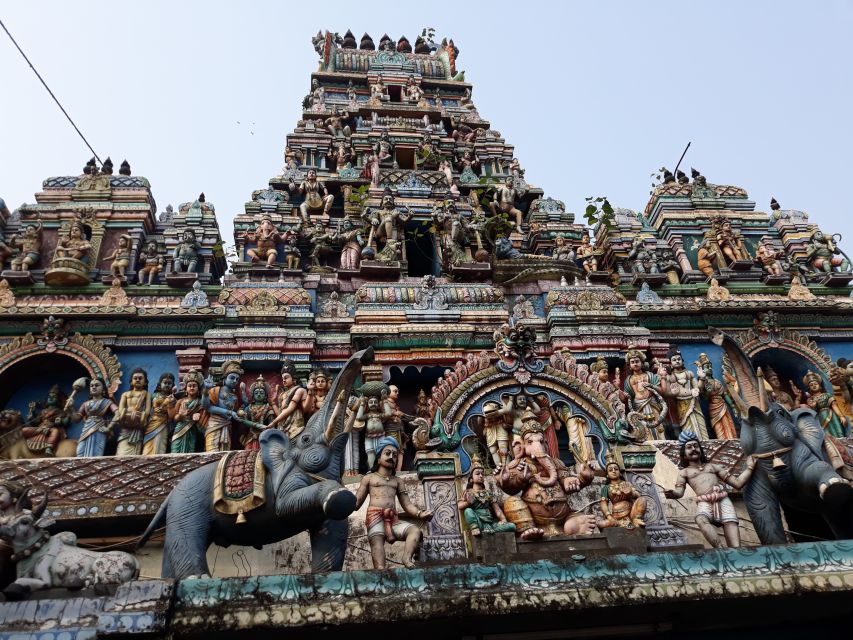
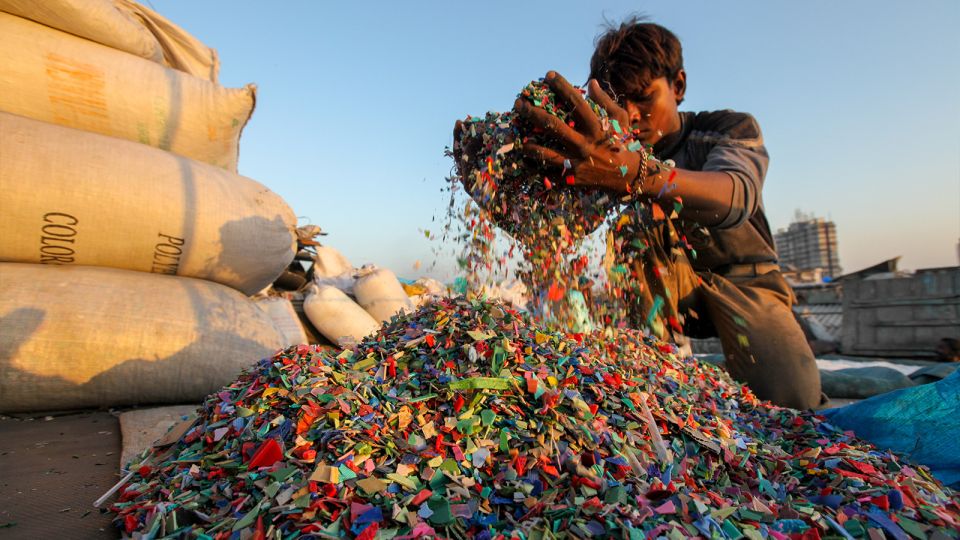
If Dharavi has a single theme, it’s recycling. The tour makes that clear with multiple stops and plain-language explanations of why recycling isn’t a side activity here—it’s central work.
You’ll learn about the importance of plastic recycling to the community and watch how materials are sorted and repurposed. One specific example you’ll see explained is the innovative recycling of vegetable oil cans—turning what outsiders might toss into something useful for the next stage of work.
This is also where you’ll likely notice the difference between stereotypes and reality. A lot of images people carry about slums focus on garbage. This tour flips that. It treats waste as raw material and recycling as a craft system—linked to livelihoods and to the steady flow of industrial materials.
Another practical angle: you get a better sense of scale. The tour notes Dharavi’s economic output is estimated around 1 billion US dollars annually, much of it tied to informal recycling. That statistic lands harder when you’ve walked past the work areas and seen how the process is stitched into everyday life.
Faith and community on the same streets
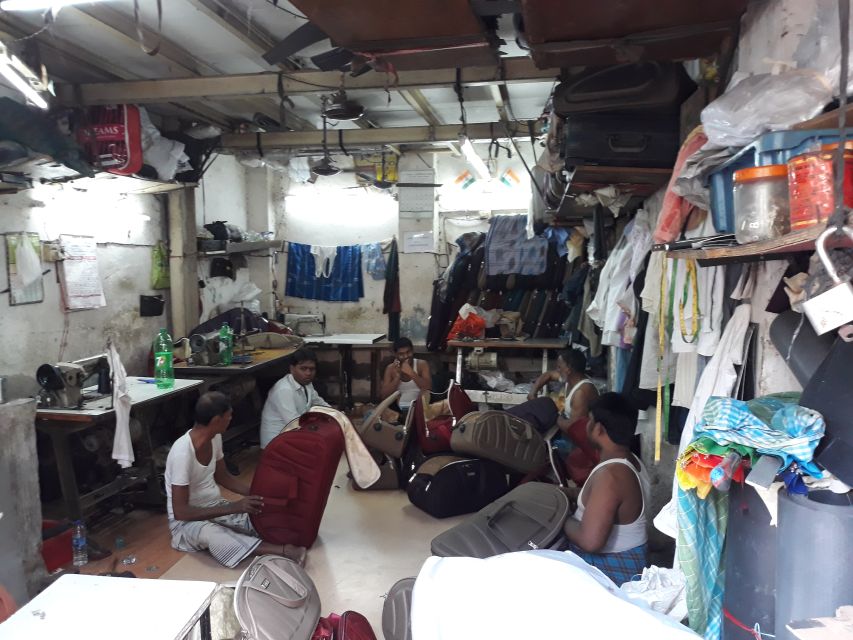
One of the tour’s most memorable details is how it shows cultural overlap. You might see Muslims making a shrine for Hindus while you’re walking through the area. It’s a small scene, but it communicates a big idea: life in Dharavi isn’t separated into neat categories.
The takeaway for you is simple—this isn’t just about industry and recycling. It’s also about relationships. Family networks and neighbor-to-neighbor support shape the neighborhood’s rhythm, from shared spaces to celebrations and day-to-day cooperation.
Because this part is visual, it’s hard to read as a concept. You experience it as something normal happening alongside work. That’s usually what people mean when they say their assumptions got challenged.

Hands-on pottery with local potters (optional)
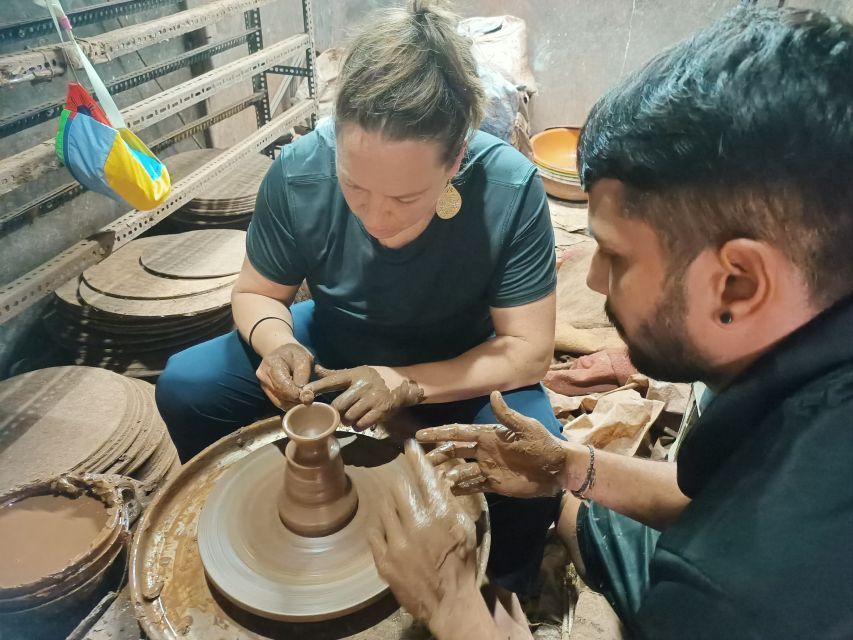
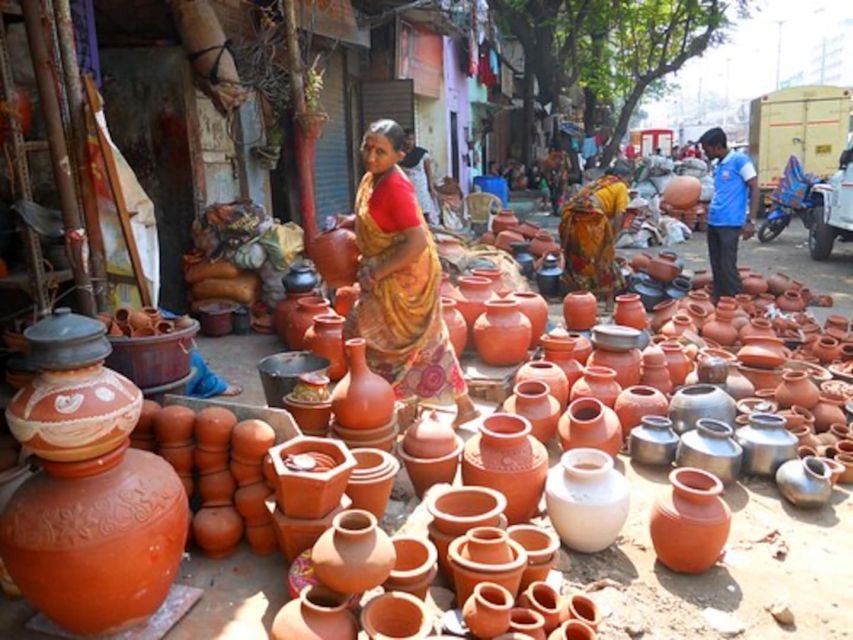
If you choose the pottery option, you’ll head into a local potter’s workshop. The tour gives you an overview of pottery making and then gives you hands-on practice.
Here’s what to expect if you go for it:
- you’ll get a general overview first
- then you’ll try throwing on a wheel
- and you’ll make a piece of Kumbharwade art
This is one of those add-ons that changes the tour from “watching” to “participating.” Even if you’ve never worked clay before, the experience is built to be approachable, with locals showing the process in a working environment.
One small note to keep in mind: pottery making usually means you’ll get messy. Wear clothes you’re comfortable with, and don’t plan to look perfect afterward. The tour includes water, but it doesn’t mention other supplies, so you’ll want to use your own judgment about comfort and clean-up.
Vegetarian lunch with a local family (optional)
The vegetarian lunch option is where the tour becomes less about sights and more about hospitality.
You’ll have lunch with a local family (vegetarian food), and you’ll eat in like a local: sitting on the floor and eating with your hands. That detail matters because it signals how the day is meant to feel—like a shared meal, not a restaurant stop.
In reviews, this kind of invitation shows up as a highlight: guides often create a warm connection, not just a transaction. Some guides also share small personal moments while talking through questions, and the lunch option is the most direct version of that.
Practical advice: if you’re sensitive about unfamiliar spices or hand-eating, you should still be able to enjoy it. But go in with flexibility. This is part of what makes the tour feel authentic—real routine, not staged dining.
Comfort, shoes, and the respect factor that keeps the day smooth
This tour has a very simple packing list:
- a scarf
- closed-toe shoes
That’s not just for style. Scarves can help with sun and dust. Closed-toe shoes are crucial because you’re walking in close quarters through streets where you might step over uneven ground. Think of it as the difference between strolling and walking with purpose.
Beyond gear, the main “how to get the most” advice is behavior. This is a living, working area. The tour experience works best when you treat people as people, not as props for your photo roll or curiosity itch.
You’ll also benefit from keeping your attention on your guide’s cues. Some guides (like Abhishek, in one standout account) are praised for introducing you to residents and keeping interactions respectful and low-disruption. In other stories, guides even invite you into personal spaces like their home or workshop. That’s a privilege—so you’ll want to show appreciation with calm, courtesy, and interest.
Price and value: why $14 can feel like a bargain

At $14 per person, this tour is priced in a way that makes sense for the kind of access you get. You’re paying for a guided walk that includes:
- the slum tour
- a guide
- water
And depending on your option:
- a vegetarian lunch
- a pottery workshop
Compared to a generic city tour, this feels like better value because the guide’s role is the product. The tour isn’t just taking you to places; it’s connecting you to explanations, introductions, and the real logic of the neighborhood’s industries and recycling.
Also, you’re not being asked to pay extra for the core experience. The add-ons are optional, but the basic tour includes the backbone: seeing the community’s work areas, market activity, and key recycling and industry stops.
Who should book this Dharavi tour, and who should think twice
This tour is a strong fit if you:
- want your Mumbai reading list to include reality, not only monuments
- like understanding how economies work at street level
- are curious about recycling and small manufacturing
- enjoy meeting locals and hearing direct answers
It’s also a good choice if you appreciate guided context. Reviews consistently highlight that guides make people feel safe and welcome, and that conversations don’t feel scripted.
You might think twice if you’re easily overwhelmed by close quarters, the presence of real daily work, or the emotional weight that can come with seeing life under harsh conditions. Even then, you won’t be left without guidance. But you should know what you’re signing up for: a working neighborhood experience, not a comfort bubble.
Should you book this tour?
I think you should book it if you’re ready to replace stereotypes with specifics. The tour gives you the kind of detail that actually changes your view: Slumdog filming context, leather and soap work, schools and hospitals along the way, and recycling systems built out of plastic and oil cans. Add pottery or lunch if you want the experience to move from observation to participation.
Skip it only if you need a low-stimulation, polished tourist setting. Dharavi is real. The payoff is real too: you leave with a sharper, more human understanding of how a dense community turns skills and recycling into livelihood.
FAQ
Where do I meet my guide?
You meet your guide at Third Wave Coffee.
Where does the tour end?
The tour ends back at the meeting point.
How much does the tour cost?
The price is $14 per person.
What’s included in the tour price?
The tour includes the slum tour, your guide, and water. Depending on your chosen option, it may also include a vegetarian lunch and/or a pottery workshop.
Is water included?
Yes. Water is included.
Can I add pottery making to my tour?
Yes, pottery making is offered as an option, and it includes a pottery workshop depending on what you choose.
Can I add lunch with a local family?
Yes. A vegetarian lunch is offered as an option, depending on what you choose.
Will we see the Slumdog Millionaire filming location?
Yes. The tour includes a stop at the place where Slumdog Millionaire was shot.
What should I bring?
Bring a scarf and wear closed-toe shoes.
Is reserve & pay later available, and what about cancellations?
Reserve & pay later is available. You can cancel up to 24 hours in advance for a full refund.