REVIEW · MUMBAI
Mumbai: Dharavi Tour Including Car Transfer
Book on GetYourGuide →Operated by Reality Tours and Travel Private Limited · Bookable on GetYourGuide
Dharavi hits you in the best way: hands-on, human, and real. I love that this tour pairs a short car ride for Mumbai context with an on-the-ground guided walk of working neighborhoods. One heads-up: you’ll need to follow a strict no-photography rule inside the slum and dress modestly, which can feel limiting if you’re used to taking lots of pictures.
What I like most is the balance. You’re not just shown poverty as a headline—you’re introduced to how Mumbai’s industries and social challenges connect. And since the group includes hotel pickup (when selected), you spend less time figuring out logistics and more time watching life happen.
In This Review
- Key things you’ll notice on this Dharavi tour
- From Colaba to Dharavi: the car ride that gives you bearings fast
- Entering Dharavi on foot: narrow alleys, working industries, and why this is more than sightseeing
- Dhobi Ghat: watching the city’s open-air laundry machine work
- Reality Gives Mumbai: a short stop with a bigger meaning
- Kumbhar Wada: 150 years of pottery in a neighborhood you can actually walk through
- Price and value: why US$39 can work (and when it might not)
- Who should book this Dharavi tour?
- Quick practical tips so the day goes smoothly
- Should you book this Dharavi Tour Including Car Transfer?
- FAQ
- How long is the Mumbai: Dharavi tour including car transfer?
- What stops are included during the tour?
- Is hotel pickup included?
- Is food included?
- Where do I meet the guide?
- Are photos allowed in Dharavi?
Key things you’ll notice on this Dharavi tour
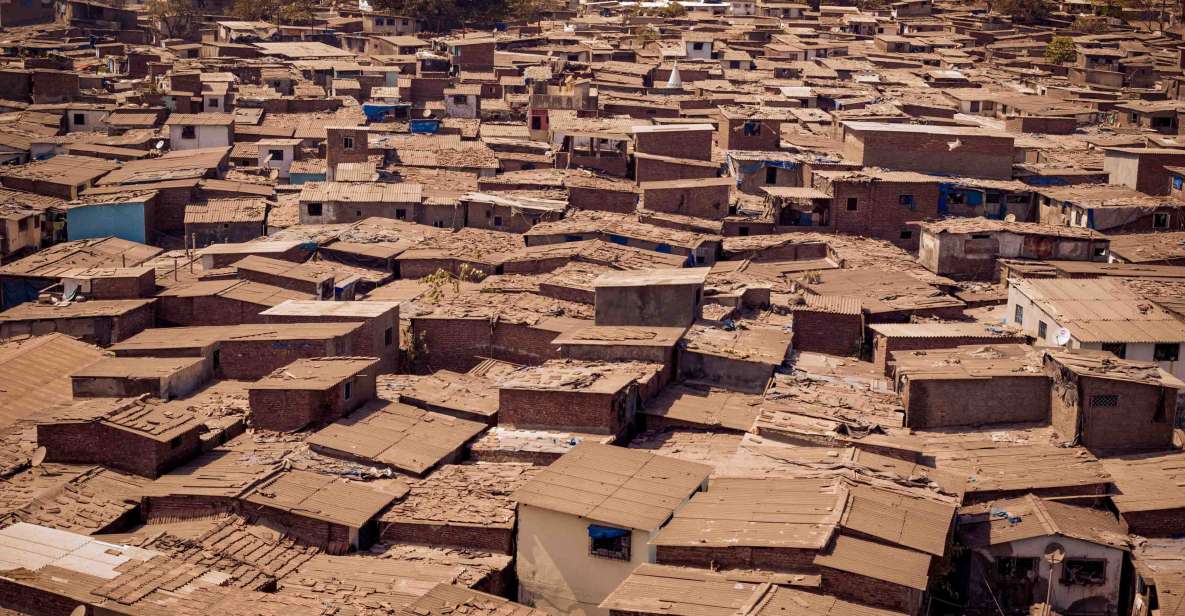
- Car transfer with context from Colaba toward Dharavi, with quick history along the route
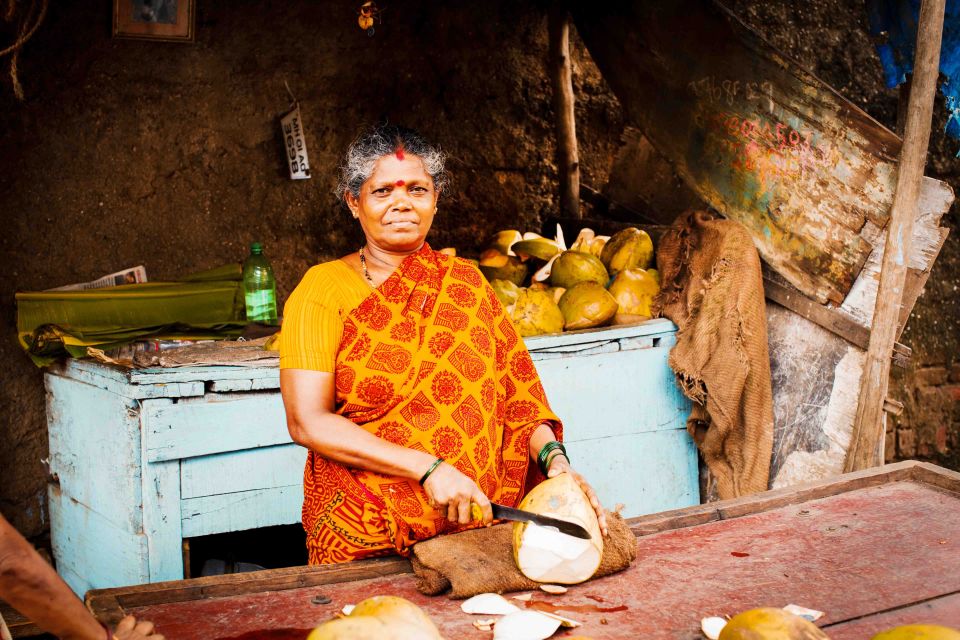
- A guided walk focused on real work like recycling, pottery, embroidery, bakery, soaps, leather tanning, and more
- Dhobi Ghat as a major stop to see one of the most famous open-air laundry operations in the world
- Reality Gives Mumbai as a short, structured visit before you continue on foot
- Kumbhar Wada pottery neighborhood and its 150-year-old maker culture
- Clear privacy rules including a strict no-photography policy inside the slum
From Colaba to Dharavi: the car ride that gives you bearings fast
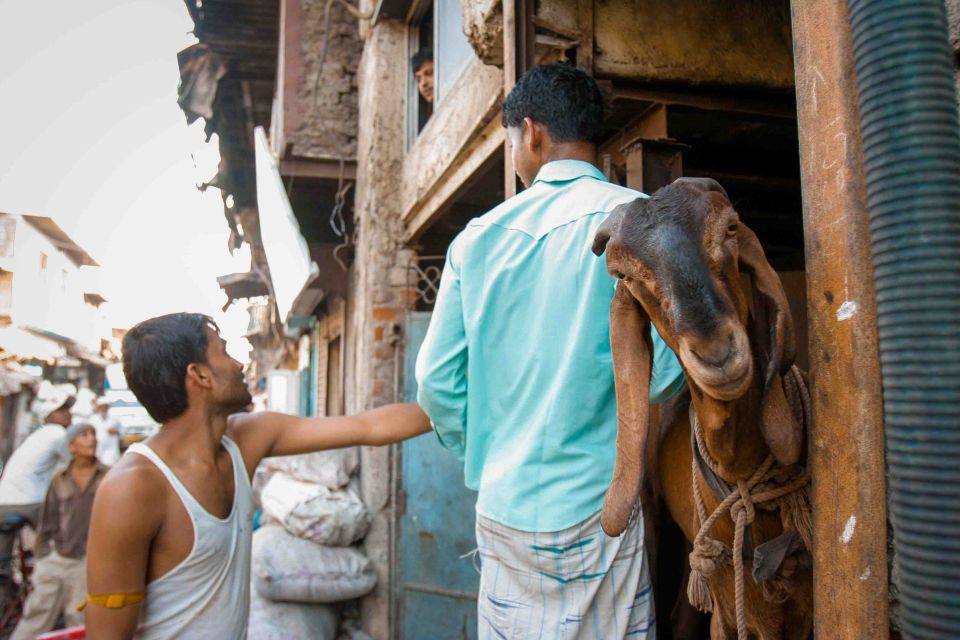
This tour starts with a straightforward plan: a car transfer north from Colaba to Dharavi. While you’re riding, your English-speaking guide explains what shaped Mumbai into the city you see today. It’s not just “facts on a screen.” The route is used as a moving classroom, so you understand why certain areas look the way they do.
Two route topics matter because they connect history to what you’ll actually see later. First, you pass the historical textile mill area and get the story of how that industry once drove Mumbai’s growth. Second, you pass through places tied to ongoing social issues, including Kamathipura (the red light area). That context helps Dharavi feel less like a separate world and more like part of Mumbai’s full, complicated system.
The value of the car portion is simple: you save time and reduce confusion. In a city like Mumbai, where neighborhoods can feel like different cities, that orientation makes your walking time much more meaningful.
You can also read our reviews of more tours and experiences in Mumbai.

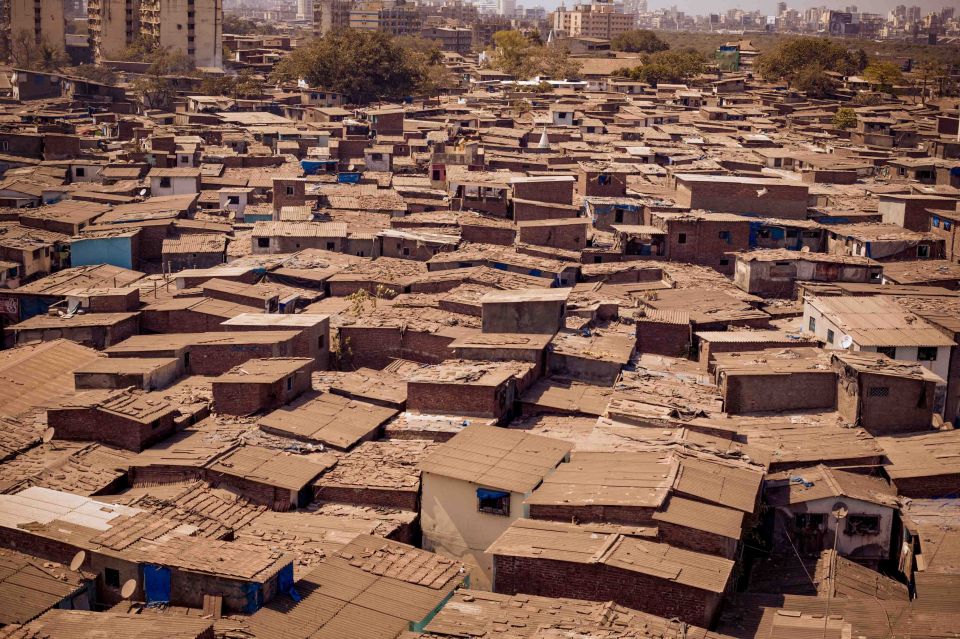
Entering Dharavi on foot: narrow alleys, working industries, and why this is more than sightseeing
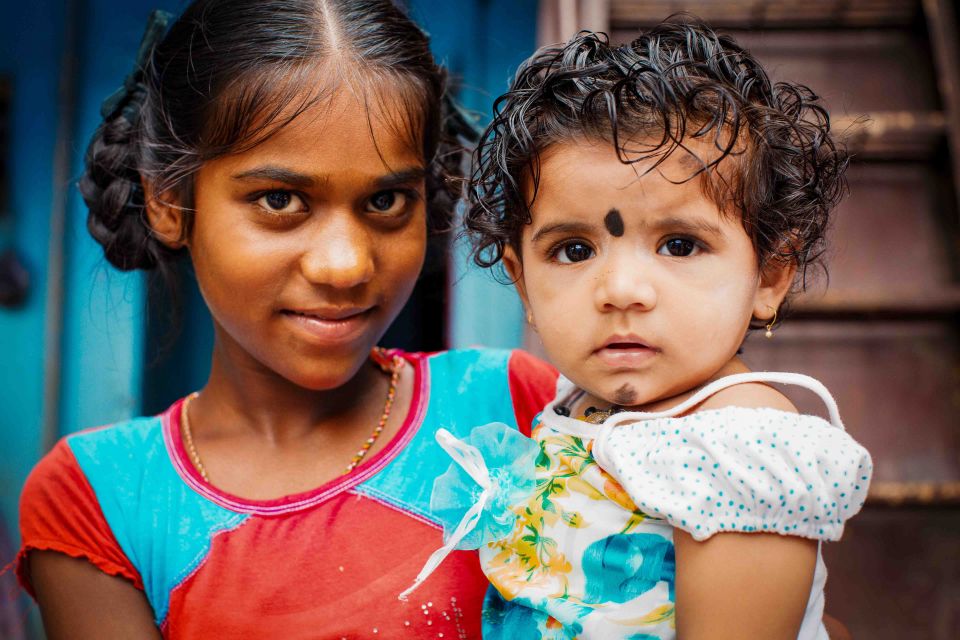
Once you reach Dharavi, the tour becomes a slow-walking reality check. You’ll spend about an hour walking through narrow streets and alleys with a guide who keeps the focus on day-to-day business activity, not shock value.
Dharavi is often labeled as one of Asia’s biggest slums. That label is not wrong, but it’s incomplete. The tour leans into a better framing: it’s a place of work and problem-solving, with around one million residents and an estimated annual industry turnover of about US$ 665 million. In other words, this isn’t only about need. It’s also about skill, production, and people making a living in tight spaces.
During the walk, you may see or talk through the kinds of industries that operate here, including:
- recycling and reprocessing materials
- pottery-making
- embroidery
- bakery production
- soap manufacturing
- leather tanning
- poppadom-making
…and more, depending on what’s running and what your guide can show responsibly.
This is where the guide’s role becomes crucial. A good guide helps you see cause and effect: why crowded streets exist, how small workshops function, and how materials and customers move through the area. You’re not just collecting images—you’re building a mental map of an economy.
The biggest rule you’ll follow here is privacy. There’s a strict no-photography policy while you’re in the slum area. It’s there to protect residents. So treat your eyes, not your phone, as your main tool. Also plan for modest clothing and covered shoes, since some parts can be dirty and uneven.
Dhobi Ghat: watching the city’s open-air laundry machine work
After the walking time in Dharavi, the tour includes a stop at Dhobi Ghat, described as the largest open-air laundry in the world. This is the kind of place that rewards staying present. You’ll see the scale of the washing and the workflow of people who keep clothes moving here every day.
What makes this stop valuable is the contrast it creates. Dharavi is about small-scale workshops and cramped production. Dhobi Ghat is about outdoor labor done at massive scale. Both show the same truth: Mumbai runs on systems that often sit outside tourist itineraries, but they’re essential to daily life.
Your experience at Dhobi Ghat won’t be about learning a single storyline. It’s more like learning how labor looks when it’s continuous—how the city’s rhythm depends on people doing work that doesn’t pause for admiration.
Wear practical shoes. Even if you’re careful, you’ll be standing and walking. Bring comfortable clothes that can handle humidity and dust.
Reality Gives Mumbai: a short stop with a bigger meaning
Next up is a quick visit to Reality Gives–Mumbai. This part of the day is short—around 10 minutes—so you shouldn’t expect it to feel like a full museum visit. Think of it more as a stop that helps explain how people and programs intersect with the social reality around Dharavi.
Because this visit is brief, your best move is to ask your guide what matters most to them about the place. In a tour like this, those little “why this exists” answers can make the rest of the walk click.
If you prefer a tour that teaches through stories and local context (not just places), you’ll probably appreciate this stop.
Kumbhar Wada: 150 years of pottery in a neighborhood you can actually walk through
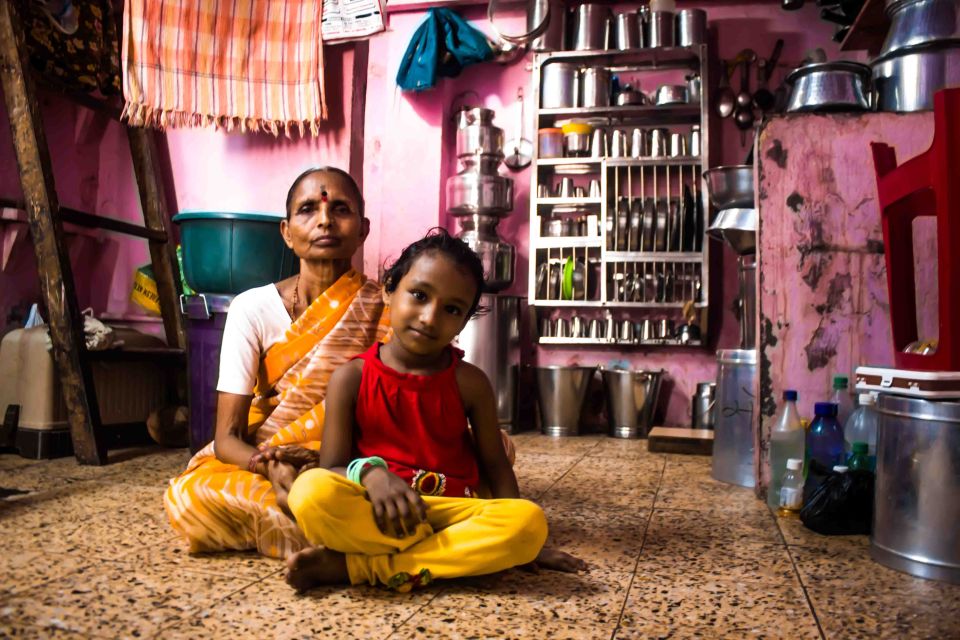
The final major walking highlight is Kumbhar Wada, a pottery neighborhood with about 150 years of history. You’ll spend around 15 minutes here, which is enough time to understand the basics without rushing.
Pottery matters here because it’s a living craft, not a decorative postcard. In a city where industries can look chaotic from the outside, workshops like these show continuity—skills passed along, tools used repeatedly, and products made for real buyers.
This stop also ties back to the Dharavi walk. Dharavi’s industries include pottery, and Kumbhar Wada is one place where that craft becomes easier to picture. It gives you a clearer “maker” view rather than only seeing work as background.
If you’re the kind of traveler who likes tangible souvenirs (or at least likes seeing how they’re made), this is the moment to slow down and pay attention. Look at materials, shapes, and the pace of the work.




Price and value: why US$39 can work (and when it might not)
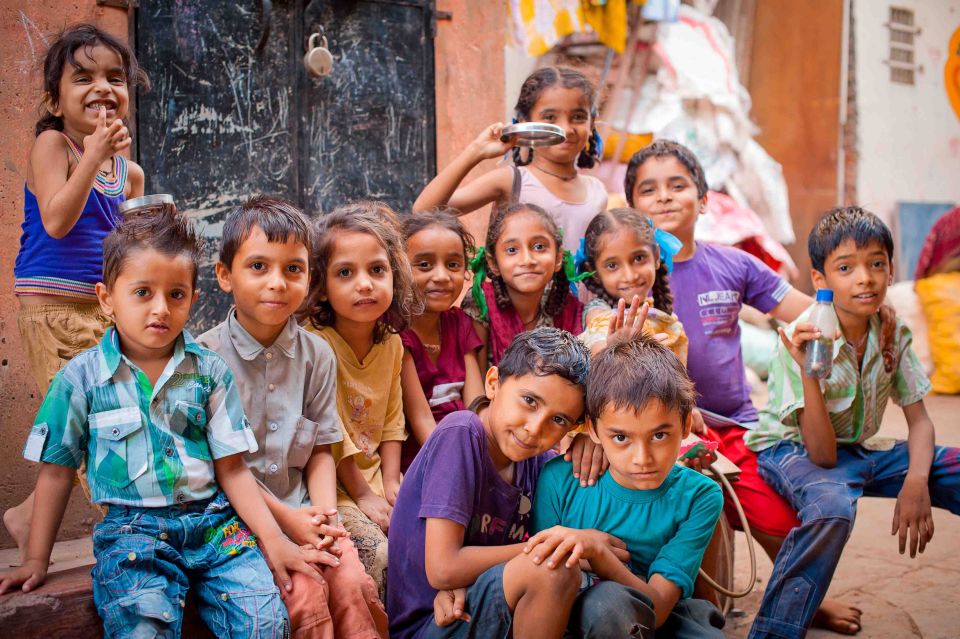
At US$39 per person for about 4.5 hours, this tour is positioned as good value because multiple costs are baked in: a local English-speaking guide, hotel pickup and drop-off (when you select it), and the car transfer from Colaba toward Dharavi. Water or cold drinks are included too.
For many visitors, the biggest hidden cost in Mumbai is time. Getting to Dharavi and moving efficiently between stops can eat half a day fast. This tour helps you spend that time walking, not negotiating rides.
The tradeoff is that it’s not a food experience. Food isn’t included. So if you’re traveling on a tight schedule, you’ll want to eat before you start or plan a meal after you finish at Leopold Cafe.
Also, the no-photography policy is real. If you’re coming mainly for photos, you’ll feel the loss more than someone who’s comfortable focusing on conversation and observation.
Who should book this Dharavi tour?
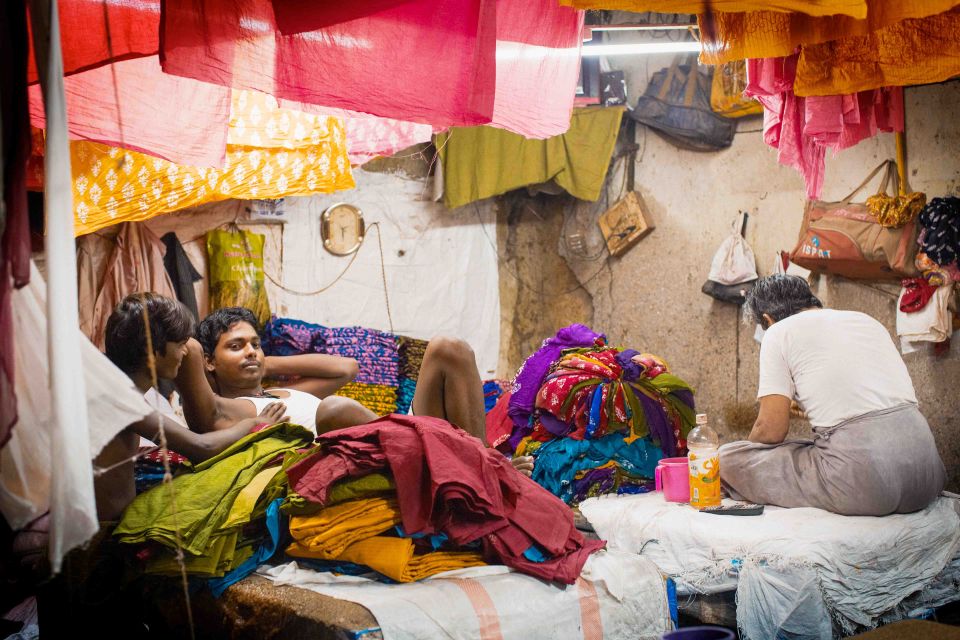
This is a strong match if you want:
- a guided, respectful look at Dharavi’s neighborhoods and working industries
- clear context about Mumbai’s history and social challenges while you travel
- a tour that includes car transfer so you’re not stressing about transport
- the chance to see both Dhobi Ghat (open-air labor at scale) and Kumbhar Wada (craft tradition)
It may be less ideal if you:
- hate walking on uneven streets and prefer fully flat routes
- need frequent breaks (the walk segments are short, but the environment can be demanding)
- want to photograph freely inside the slum area (you won’t be able to)
One additional note from past guests: Reality Tours and Travel has shown the ability to support special needs. For example, one review mentions that when a deaf guest joined, the team arranged a deaf guide resource from the office to help guide the group. If accessibility planning matters to you, it’s worth checking with the provider before you go.
Quick practical tips so the day goes smoothly
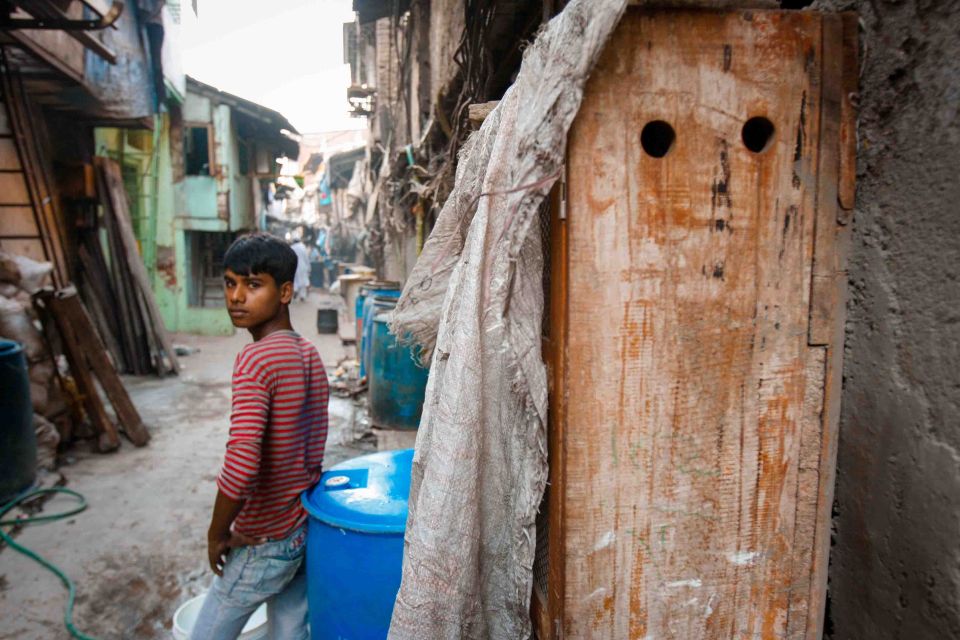
- Wear covered shoes. You’ll thank yourself later.
- Keep your outfit modest (shoulders and chest covered, below the knee, not tight or revealing).
- Plan for no photography inside the slum area—keep your phone away when you enter.
- Bring comfortable clothes and expect heat and dust.
- Have a meal plan since food isn’t included.
Should you book this Dharavi Tour Including Car Transfer?
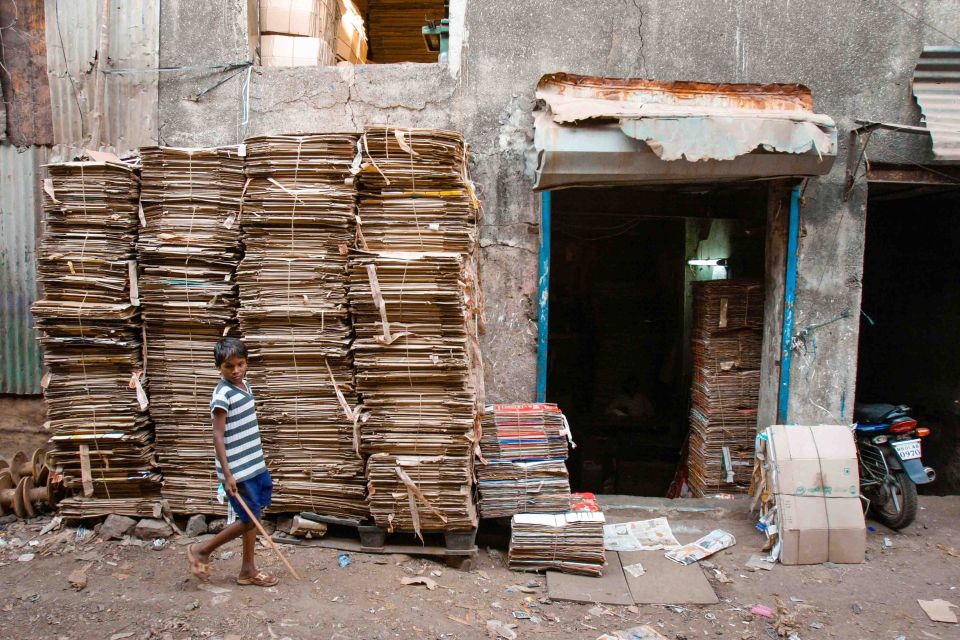
Yes—if you want a respectful, guided Dharavi experience with real context, not just a label and a photo stop. The combination of car-based orientation from Colaba, a focused walk through Dharavi’s industries, the Dhobi Ghat laundry stop, and the Kumbhar Wada pottery neighborhood is a sensible way to see how Mumbai’s economy and social challenges connect.
You should think twice only if you strongly rely on taking photos inside the slum area or you’re uncomfortable with modest dress and the realities of walking in crowded, sometimes dirty streets. If you can handle those basics, this tour offers strong value for the time you spend.
FAQ
How long is the Mumbai: Dharavi tour including car transfer?
The tour lasts about 4.5 hours.
What stops are included during the tour?
You visit Dharavi, Reality Gives–Mumbai, Kumbhar Wada, and you also stop at Dhobi Ghat.
Is hotel pickup included?
Hotel/residence pickup is optional. When selected, it includes pickup and drop-off.
Is food included?
No. Water and cold drinks are included, but food is not.
Where do I meet the guide?
Meet outside Leopold Cafe on the side street Nowroji Fardonji Road, off Colaba Causeway. Your guide will be wearing a blue shirt or polo with the company logo.
Are photos allowed in Dharavi?
No. There is a strict no-photography policy while you’re in the slum area to protect residents’ privacy.
If you want, tell me what month you’re going and whether you’re using hotel pickup, and I’ll suggest the easiest time-of-day strategy and what to wear based on typical Mumbai conditions.